Category: Business & Catdi Industry News

  • What Is Print Media Advertising? Here Are The Latest Trends in 2025.

    What Is Print Media Advertising? Here Are The Latest Trends in 2025.

    Print media advertising is a form of mass communication strategy that uses hard copy printed mediums like newspapers, direct mail, banners, billboards, and magazines to reach consumers. The advertising industry identifies print media as one of the oldest mediums used to promote products.

    By advertising print services and brands, businesses target to attract and influence consumer buying habits.  More so, marketers use print media advertising to reach out to prospects, existing customers, businesses, and the general public.

    What Exactly Is Print Media?

    In a world where screens dominate every waking moment, print media advertising remains a powerful and trusted way to cut through the digital noise. Whether it’s a beautifully designed brochure, a bold magazine ad, or a direct mail campaign, print materials have a unique way of:

    • Capturing attention in a visually overstimulated world
    • Building credibility and trust with physical, professional designs
    • Driving stronger engagement, often outperforming digital in response rates

    According to recent industry data, print media advertising, particularly direct mail, consistently outperforms digital channels like email in response rates:

    • Direct mail averages a 4.4% response rate, while email lags behind at just 0.12% (Amra & Elma). That’s over 36 times higher.
    • Campaigns using house lists can achieve response rates up to 9%, while prospect lists average around 4.9% (Birdseye Post).
    • The Data & Marketing Association reports that direct mail response rates are 5 to 9 times higher than any other advertising channel, including email.

    These figures make one thing clear, print media advertising doesn’t just compete—it consistently delivers stronger engagement and results.

    These tactile marketing tools prove that print media advertising still packs a punch in 2025—offering brands a tangible way to stand out and stay memorable.

    But what exactly is print media, and why does it still matter today?

    Print media is a written or pictorial form of mass communication. It is mechanically or electronically generated through methods like impression or photocopying. Modern printers can now produce these communications using automated digital technology, streamlining the creation of vibrant, high-quality materials.

    At its core, print media involves the creation and distribution of news, advertising, or educational content through tangible publications—what we often call “hard copies.” These physical formats—such as newspapers, magazines, brochures, pamphlets, posters, and books—allow for a tactile experience that digital channels simply can’t replicate.

    One of the standout advantages of print media lies in its ability to capture and reproduce visuals with remarkable precision. Whether in vivid color or crisp black and white, printed images command attention and leave a lasting impression.

    Just as importantly, printed materials encourage a deeper, more personal level of interaction. Readers can:

    • Feel the texture of the paper
    • Flip through pages at their own pace
    • Highlight, annotate, or clip sections for future reference

    This sensory experience supports stronger recall and comprehension, making print a particularly effective medium for delivering important messages.

    Even as digital media continues to evolve, the availability and impact of print remains undeniable. By combining visual appeal with a physical presence, print media continues to engage a broad range of audiences—ensuring that your message is not just seen, but felt.

    Examples of Print Media

    woman reading magazine Print media advertising - Catdi printing Houston

    It is typical for printers to display print media on paper. However, printing firms may also use various substrates such as canvas, fabric, vinyl, and more. The majority of readers, advertisers, and other media users are familiar with the following examples of print media.

    Newspapers and Weeklies

    Newspapers are good examples of print media where advertisers have a wide variety of options available. The various types of newspapers include weekly, local, regional, evening, or Sunday editions.

    Who are the top consumers of newspapers? This print media attracts a wide range of readers. They include individuals with different interests such as sports, business, entertainment, fashion, politics, local and international news.

    Furthermore, newspapers sell space to advertisers who need help displaying ads in text, graphics, photographs, and other illustrations. Some advertising agencies spend a fortune to buy double-page spreads, while others pay smaller amounts for classified ads that contain text only.

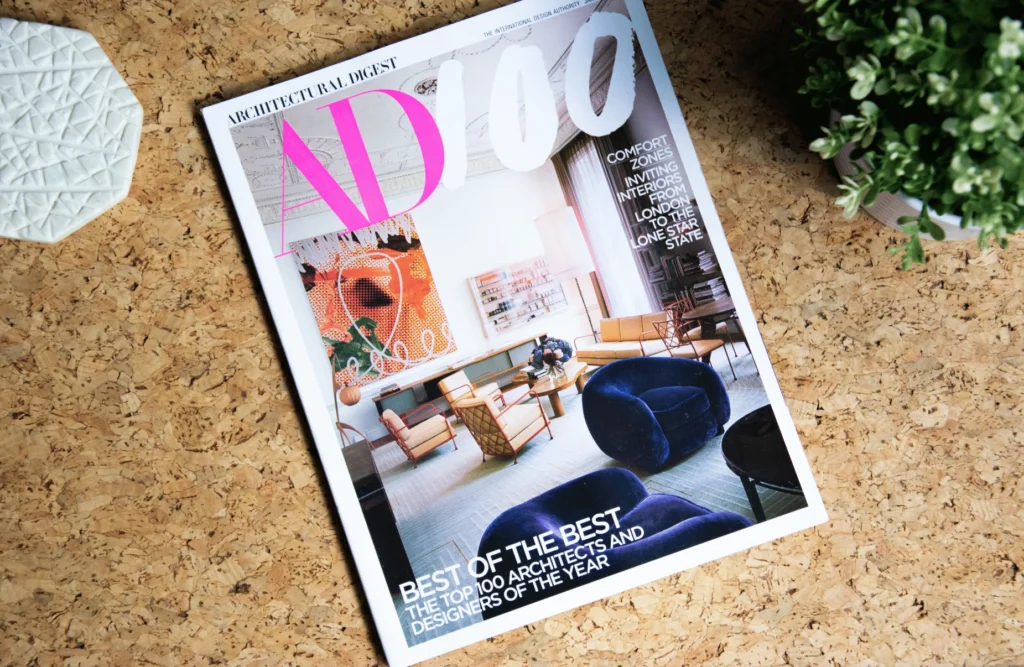
    Magazines

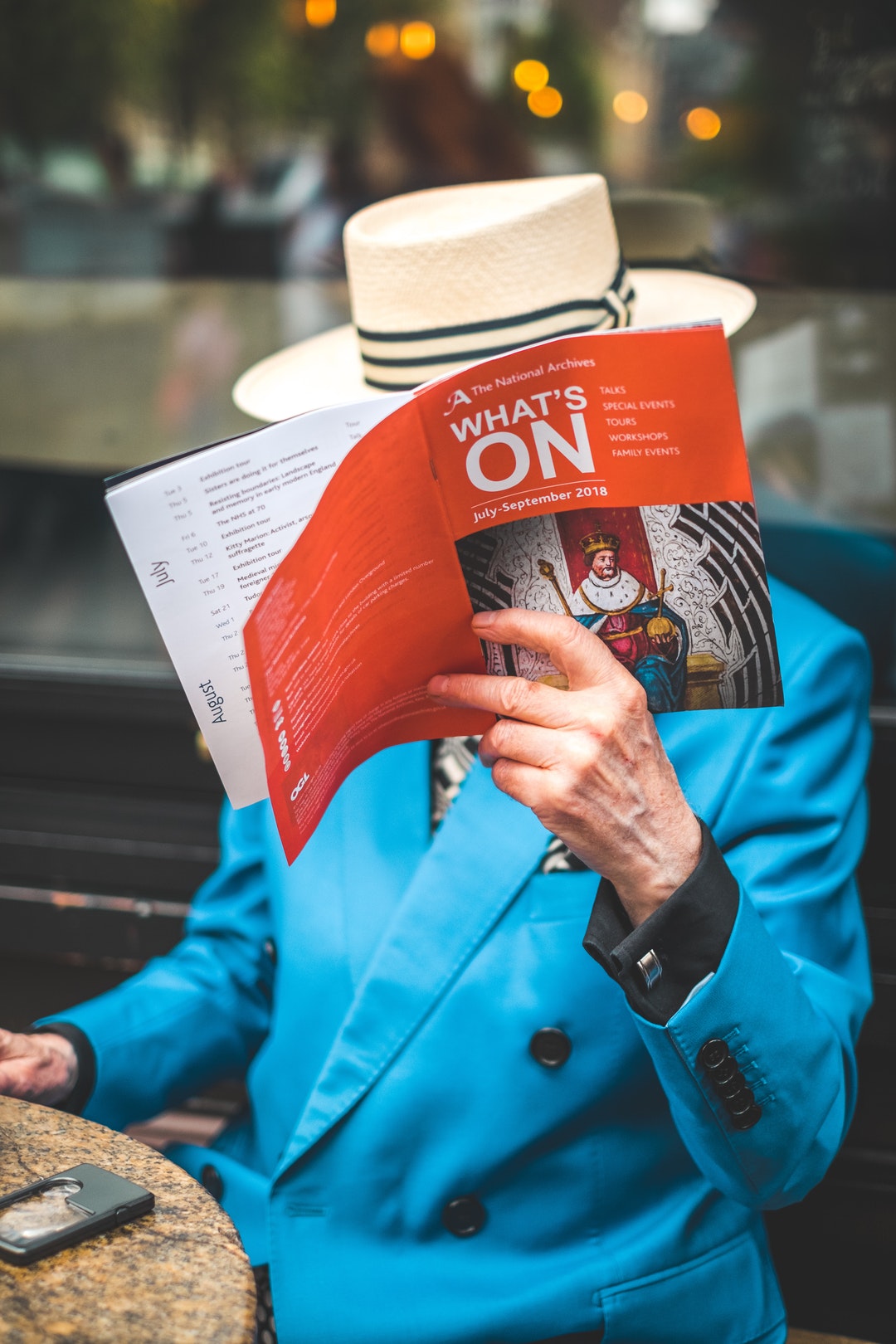
    There are various types of magazines advertisers can use for publicizing services and brands. Trade magazines promote specific industries such as electronics, manufacturing finance, and more. Consumer magazines publicize numerous interests, including fashion, health, sport, hobbies, and current affairs.

    Other magazines focus on publications for managers and careers such as marketing professionals, engineers, human resource executives, and more.

    A majority of magazines are published weekly, monthly or quarterly. Even so, advertisers can still buy space to place adverts either in black and white or color.

    Billboards

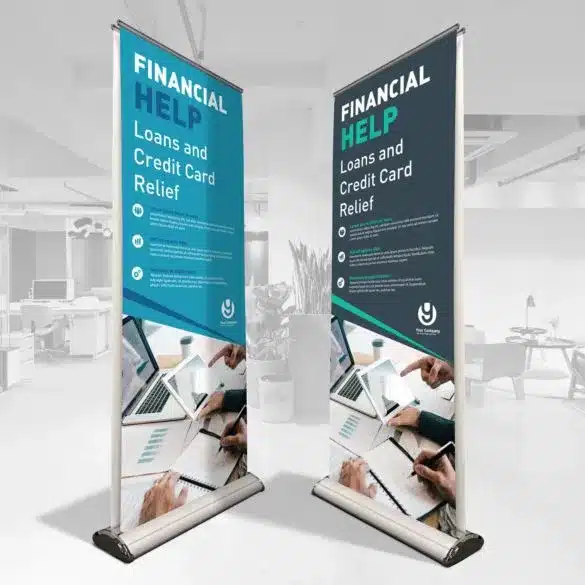
    Billboards and posters are types of print media that allow promoters to reach consumers on the go. They are are typically large prints and graphics and are placed on the outdoors. Placing these banners in strategic positions such as near malls helps advertisers influence consumers close to the selling counters.

    Advertising agents place billboards in public places such as airports and train stations to reach larger groups of patrons. The size of these gigantic boards makes it almost impossible for anyone to miss the advert.

    Furthermore, promoters can combine digital and print to alter messages, slogans, or pictures on billboards at their set times.

    Is Print Media Still Effective in 2025?

    News, fashion, manufacturing, and other industries still rely on traditional print media advertising, even as digital platforms continue to dominate marketing budgets. While there has been a modest decline in overall print ad spend, this medium is far from obsolete—in fact, it’s experiencing a strategic comeback.

    Promoters continue to embrace print media advertising for its tangible value, longevity, and ability to drive deeper brand engagement. Unlike digital ads that vanish with a scroll or click, a well-designed brochure or flyer can linger in a customer’s hands, office, or kitchen counter—revisited multiple times. This stickiness gives print a unique edge: staying power.

    As discussed in Catdi’s detailed overview of print media advertising, print continues to shape buyer behavior. But in 2025, the conversation has evolved—print isn’t just surviving; it’s innovating.

    2025 Trends Reinventing Print Media Advertising

    One of the key drivers of print’s comeback is variable data printing, which enables personalization at scale. Businesses can now deliver tailored messaging—by name, location, or preference—making print feel more relevant and valuable to consumers.

    Another game-changer is eco-conscious branding. Sustainability is no longer a differentiator—it’s a baseline expectation. Many brands are switching to recycled paper, soy-based inks, and carbon-neutral printing processes, aligning their values with today’s environmentally aware audiences (MBA Group, EssenceMediaCom).

    Direct Mail: A Trustworthy Channel in an Oversaturated World

    Direct mail is enjoying a resurgence as audiences experience digital fatigue. With inboxes overflowing and social feeds jam-packed, something as simple as a postcard now feels refreshingly personal. Recent data shows that direct mail now commands a 9% average response rate, far exceeding the 1% (or less) seen in many digital formats (Passive Secrets).

    Latest Innovation in Print Advertising

    Tools like QR codes, near-field communication (NFC), and augmented reality (AR) are transforming static materials into interactive, trackable marketing assets that seamlessly guide consumers from paper to pixel. This shift reflects a broader evolution in marketing strategies where print is no longer a standalone tool, but a powerful amplifier when integrated with digital experiences.

    Print Advertising is Still Booming in 2025

    Retailers are recognizing this shift. While earlier studies noted that 68% of retail stores favored print for its trust and reach, modern insights show that combining print with digital strategies can boost campaign effectiveness by up to 400%. This figure has been confirmed across multiple industry reports and marketing publications, highlighting the dramatic lift in reach, engagement, and conversions when both channels are used together (SoCal News Group, McClatchy, Spartan Marketing)

    What’s more, the global print advertising market is projected to grow from $348.31 billion in 2024 to $359.53 billion by the end of 2025 (TBR Blog)., with steady growth expected into the next decade. This growth isn’t just in legacy formats like newspapers and magazines—it’s also in innovative uses like personalized direct mail, smart packaging, and loyalty-focused print campaigns that integrate with CRM and digital tracking systems.

    Not Just Print—Smart Print

    Modern print media advertising is about more than putting ink on paper. It’s about building memorable experiences through:

    • Interactive packaging
    • Personalized loyalty mailers
    • Print-to-digital hybrid campaigns
    • Direct mail that integrates with CRMs and analytics tools

    Print today is measurable, strategic, and digitally integrated—a far cry from the static formats of the past.

    The Bottom Line

    Is print dead? Not even close.

    The better question is: How are you using print media advertising in 2025?

    The most successful brands don’t see print and digital as competitors—they use them together, strategically, to increase trust, boost conversions, and meet customers where they are (offline and online). Whether it’s a QR-driven postcard or an eco-friendly flyer that doubles as a digital coupon, print is once again at the center of the marketing conversation.

    Ready to leverage print media for your next campaign?
    Get Catdi’s custom solutions here →

    Print Versus Electronic Media – 7 Differences

    1. Print media is the older channel of mass communication as compared to the electronic version, which is current and more advanced.
    2. It results through publications, while electronic media produces via a computerized medium.
    3. The traditional media requires the reader to be literate to read the information. However, literacy is not a priority to go through electronic media because consumers can watch the video or listen to the audio version.
    4. Readers pay more for print media than for electronic media subscriptions.  With print media, you only buy what you need when you need it.  You can also refer to your print at a later time. Electronic subscriptions expire after a specific duration, and you need to renew even when you may only read it once.
    5. It is easy to fully pay more attention to a print article than to an electronic medium.  Reading an online publication can be distracted by live chat pop-ups, social account messages, or even power outages.
    6. Print media is not instant or available 24/7. For example, printers produce newspapers daily, weekly, or monthly. However, electronic media is readily available “live.” You can receive news or commercial updates as they happen through your smartphone, television, or news channel.
    7. Unlike electronic media that offer large to limitless space, newspapers, magazines, billboards, and other print mediums have a limited area of coverage. 

    Which Print Media Is Best for Advertising? 

    You can decide which print media is best for promoting your brand depending on your target audience and your advertising budget. Even so, newspapers and brochures are the most preferred channels of print media. More so, these print mediums have a high rate of consumer confidence.

    Newspaper

    This print media is considered one of the best mediums of print advertising. Furthermore, newspaper ads are the oldest campaign tools recorded in the history of the industry. In 1704, Boston News-Letter published a newspaper advertisement selling real estate on Oyster Bay Long Island. 

    Since then, advertisers have continued to use print media to promote brands and services globally. More so, print is favored across all generations by the seniors and millennials.

    For example, a report by NielsenIQ shows that in the U.S, 71% of those aged 18-24 have subscribed to electronic newspaper content. However, 65% of those aged 35 and above in the same demographic read print newspapers from Sunday to Monday.

    Regardless of the statistics, this type of print media is the oldest medium for advertising. The newspapers have been a means of advertising for over a century. Businesses find daily journals less costly when compared to other alternatives like billboards, magazines, and postcards.

    Brochures

    Some promoters prefer to use brochures as the best print media for advertising. Besides the simplicity in design, brochures are informative and tell your customers about your brand or services.

    Printing brochures is less costly than other print media like magazines. More so, they cost nothing to disseminate. This print media is the best reminder you can give to your customers after a meeting. 

    Brochures continue to influence your prospects long after physical contact. Some clients find it faster to read print media than it is to visit a website. 

    Direct Mail

    Direct mail stands out as an effective and enduring tool within the realm of print media advertising. By allowing businesses to send physical marketing materials directly to the homes or offices of targeted individuals, direct mail offers a tangible touchpoint that digital channels cannot replicate.

    This form of advertising capitalizes on the personal connection and the tactile experience of receiving and interacting with a physical item. When executed with strategic precision, direct mail can yield impressive response rates and return on investment, especially when the messaging is tailored to the interests and needs of the recipient.

    Advancements in printing technologies such as digital printing and data analytics have enhanced the capability of direct mail campaigns to be both creatively captivating and highly personalized, further solidifying its place as a powerful component of any comprehensive marketing strategy.

    Benefits of Print Media

    Before stepping out to source for the best print media, promoters and businesses must scrutinize the advantages and disadvantages of using this medium. 

    Listed below are some of the benefits to consider when deciding on this medium for your advertising campaign.

    Print Ads Create Credibility and Build Trust

    According to research, the older generation of the U.S population has confidence in printed ads. They consider handheld advertisements more credible than their electronic counterparts.  More so, millennials also trust print media even though they frequently interact with digital advertising.

    Consumer and market research indicates that 60% of interviewed respondents showed confidence in newspapers while 58% preferred magazines. Consumers trust print media more than electronic media because the internet contains high levels of misleading information. 

    The public tends to believe that print media originates from a reputable source or company. More so, effective flyer print marketing can help drive traffic to your website to create conversions and brand awareness.

    Findings from Nielson IQ indicate that the top 5 most trusted mediums by the public include TV ads, newspaper ads, magazine ads, billboards, and radio ads

    High Conversion Rates

    As indicated in a report by the Chief Marketing Officer (CMO) council, about 80% of consumers respond to direct mail ads. This rate is higher than that of shoppers who react to email ads. 

    The high response rate experienced in direct mail is why print marketing is more costly than digital marketing. Other print media types such as banners, newspaper ads, brochures, and business cards trigger the same consumer response as direct mail.

    Print Helps You Reach Your Ideal Audience

    Marketers know that placing ads in print media such as magazines, newspapers, and brochures can help reach your target market or the general public. 

    Promoters take advantage of the population tally to strategically place adverts in the right place in front of the ideal audience.

    Take the example of a physical fitness service provider.  A marketer will reach out to sportspeople and individuals who need to stay physically fit by placing an advert on the sports page.

    Flexibility

    It is the best advertising medium to use when you need to target a specific audience. Print media allows you to choose which section of magazine or newspaper your intended group is likely to read.

    This channel of mass communication is not only strategic.  But have digital copies, which give marketers more opportunity to reach a wider audience.

    Establishes Your Brand

    You can reach your target audience by promoting your brand in print media such as magazines, publications, newspapers, and brochures. Printed substrates allow marketers to bring the aesthetic attributes of color, font, texture, and images that help form brand recognition.

    Durability

    Magazines, brochures, publications, and other print mediums are tangible or hard copy. These items last longer in workplaces and residences, unlike the electronic versions that readers can delete, ignore, or skip with ease.

    Readers are likely to keep magazines for a long time and possibly revisit ads more than once or twice.

    Substantial Attention Span

    Reading from a mobile phone screen is often distracted by pop-up messages or incoming calls. However, consumers consider magazines and newspapers a better medium to read ads because one can focus without being distracted by notifications. 

    Disadvantages of Print Media

    Pay for Your Target Market

    High-caliber magazines feature glossy covers, top-notch writers, seasoned photographers, and standout design—all of which come at a price. Advertisers pay premium rates for this level of professionalism and production quality. For example, the average cost to reach 1,000 people with print is over $22, compared to just $3–$10 for digital ads. This makes print a costly option, especially for small businesses with limited marketing budgets. However, the investment ensures your message reaches a more refined and targeted audience.

    Timing and Flexibility

    Print advertising is inherently slower than digital. Campaigns must be planned well in advance, with content finalized weeks—or even months—before it ever reaches the public. Once an ad goes to print, there’s no opportunity to make edits, respond to current events, or adjust based on feedback. In contrast, digital campaigns can be launched, tested, paused, and optimized in real time. For businesses needing to pivot quickly, print lacks the flexibility today’s fast-paced market often demands.

    Decreased Popularity and Reach

    The shift toward digital communication continues to accelerate, with more consumers subscribing to email newsletters, mobile updates, and social feeds for instant information. Digital content is also far more shareable, expanding its reach organically through social platforms. As a result, print media is experiencing a decline in popularity, especially among younger, tech-savvy consumers.

    That said, print still holds value for specific demographics—particularly older generations such as Baby Boomers, who continue to trust and engage with physical publications. This makes print useful for brands catering to that audience, though overall, it’s becoming harder to reach large-scale audiences through print alone.

    Limited Placement Control

    Unlike digital platforms, where ads can be precisely placed by behavior, location, and demographic data, print offers far less control over placement. An ad may appear in a section of a publication that doesn’t resonate with the reader, reducing its effectiveness.

    Measurement Challenges

    One of the biggest drawbacks of print is tracking. While QR codes and unique promo codes have helped bridge the gap, print still lacks the advanced analytics that digital marketing offers—such as click-through rates, conversion tracking, and user behavior insights. This makes it harder to gauge ROI and refine future campaigns.

    Risk of Human Error

    In the digital space, a typo can be quickly corrected. In print, a single error—whether it’s a misspelled word, incorrect phone number, or layout flaw—can become a costly mistake once distributed. There’s no backspace button after the presses roll.

    Creative Limitations

    Though print offers a unique tactile experience, color reproduction and design capabilities can be limited. Certain effects—like animations, dynamic content, or precise brand color matching—are easier to achieve in digital environments. This can restrict creativity for brands that rely heavily on strong visual identity.

    A Balanced Perspective

    Despite these disadvantages, print media is far from obsolete. It offers tangible benefits like credibility, longevity, and physical presence—qualities that digital ads sometimes lack. In 2025, the most effective marketers are those who balance the reach and agility of digital with the trust and impact of print, aligning each medium with the right audience and message.

    Conclusion

    Print media advertising is the oldest means of marketing that businesses have used to promote their brands. Newspaper ads date back to 1708 and are still here today, but better, bolder, colorful, and on point. Today, with state-of-the-art technology, the print industry is more advanced and vibrant.

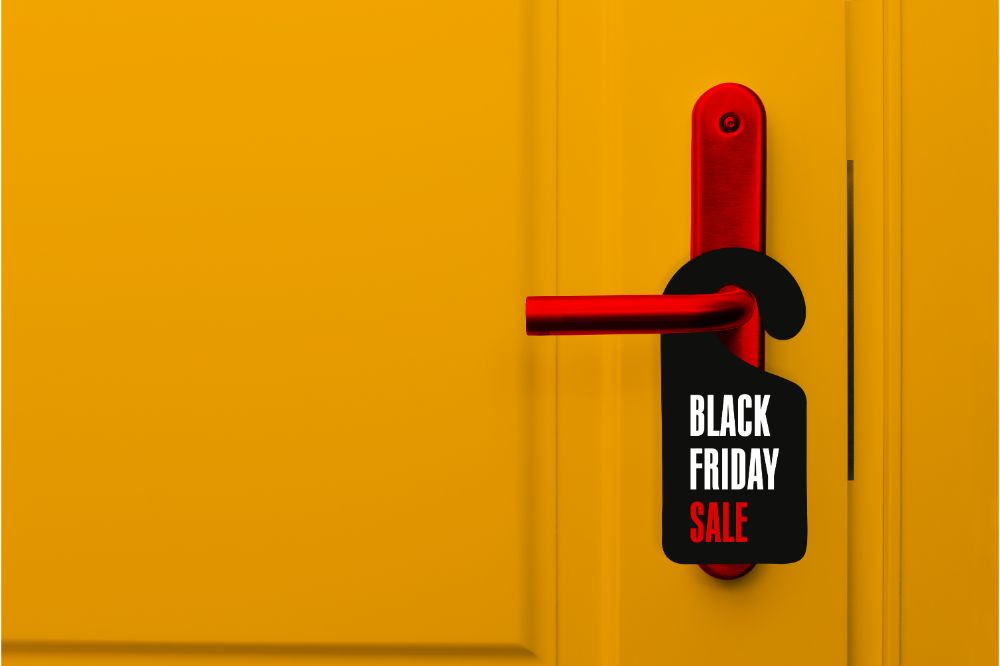
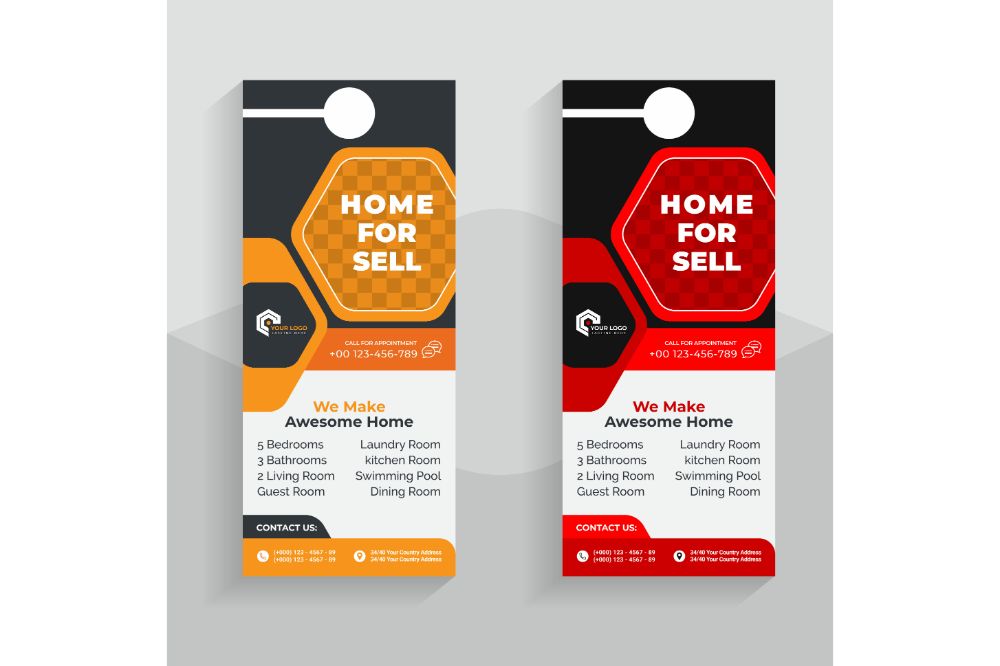
    More so, printers print media ads on a variety of substrates such as photo paper, fabric, canvas, vinyl, and more. Today, advertisers display adverts on numerous mediums such as billboards, flyers, brochures, business cards, postcards, door hangers, letterheads, envelopes, wrappers, and more.

    Print media influences consumer habits in more ways than compared to electronic media. Finally, print is still the best way to grow your brand awareness. And you can trust that by advertising through this industry, your brand or service can move to the next level.

  • Can Prepaying for Marketing Expenses Help You Save on Taxes?

    Can Prepaying for Marketing Expenses Help You Save on Taxes?

    As the end of the year approaches, small business owners are exploring strategies to reduce their tax burden while preparing for a strong start in the upcoming year. One effective yet often overlooked approach is prepaying for marketing expenses.

    By paying now for next year’s services, businesses can lower their taxable income for the current year, lock in current pricing, and ensure they’re set up for success when the new year begins under the cash basis method of accounting. To take full advantage of this strategy, it’s important to understand how the IRS’s 12-Month Rule applies to prepaid expenses.

    Let’s dive into what the rule entails, practical examples of how it works, and how prepaying for marketing with Catdi Printing can benefit your business.

    What is the IRS 12-Month Rule?

    The 12-Month Rule is a tax guideline from the IRS that allows businesses to deduct prepaid expenses in the year they are paid if the benefit period meets two key criteria for cash basis taxpayers:

    1. The benefit period is crucial for determining tax deductions. 12 months or less, AND
    2. The benefit period does not extend beyond the end of the next tax year.

    For example, if you prepay for marketing services in December 2024 and those services are delivered by December 2025, you can deduct the entire amount on your 2023 tax return. However, if the benefit period extends beyond December 2025, only the portion used within the eligible period can be deducted.

    Why Prepaying Marketing Expenses Makes Sense

    Prepaying marketing expenses isn’t just about tax savings—it’s a forward-thinking strategy that helps businesses plan for the future while optimizing their current financial situation.

    Lower Your Taxable Income

    Reducing your taxable income is the most immediate benefit of prepaying marketing expenses. By deducting these expenses in the current year, you can significantly lower your tax liability, especially if your business has had a profitable year.

    Lock in Current Rates

    Inflation and rising costs can eat into your marketing budget. Prepaying allows you to secure today’s prices for services you know you’ll need, protecting your budget from potential price increases in the new year. Future postage rates would be the only variable in prepaid marketing services as it tends to go up.

    Prepare for Success

    Starting the new year with prepaid marketing services ensures you’re ready to hit the ground running. No scrambling for resources or last-minute planning—your campaigns are primed to launch when you need them.

    Utilize Remaining Budget Wisely

    If you have unspent funds in your current year’s budget, prepaying for marketing is a smart way to allocate those resources now. Rather than leaving money unused, you can invest it in services that drive growth in the months ahead.

    Marketing Services You Can Prepay for with Catdi Printing

    Catdi Printing offers a wide range of marketing services that qualify under the 12-Month Rule, allowing you to reduce taxes and prepare for success.

    • Direct Mail Campaigns: Prepay for mailing lists, design, printing, and postage to execute targeted or Every Door Direct Mail (EDDM) campaigns in the coming year.
    • Print Collateral: Secure essential materials like business cards, brochures, postcards, and flyers to keep your branding consistent and professional.
    • Website Design and Updates: Invest in a refreshed website or enhanced features to boost your online presence and user experience.
    • Graphic Design Services: Lock in hours for creating custom promotional materials such as logos, ads, and flyers.
    • Large-Format Printing: Prepay for banners, trade show displays, and signage for events or storefront promotions.

    Real-World Examples of the 12-Month Rule

    To better understand how the 12-Month Rule applies to marketing expenses, here are some practical scenarios for cash basis taxpayers:

    • A company prepays in December 2023 for a direct mail campaign scheduled for January through March 2024. Since the benefit period is less than 12 months and ends within the next tax year, the entire expense is deductible in 2023.
    • A business invests in a website redesign in December 2023, with completion expected by June 2024. The full cost qualifies for deduction on the 2023 tax return because the service period falls within the rule’s criteria.
    • A company prepays for 5,000 brochures in December 2023 to be distributed throughout 2024. The cost is deductible because the benefit period remains within the next tax year.
    • A business signs a two-year advertising contract in December 2024. Only the portion covering services from January to December 2025 is deductible in 2024, with the remainder deducted in subsequent years.

    Benefits of Prepaying Marketing Expenses

    Immediate Tax Savings

    Prepaid marketing expenses reduce taxable income for the current year, lowering the overall tax burden. This is especially beneficial for businesses experiencing higher-than-usual profits.

    Simplified Budgeting

    Prepaying ensures predictable costs for key marketing services, helping you avoid budget surprises in the new year.

    Focused Campaign Planning

    With prepayments secured, businesses can focus on strategy and execution rather than financial logistics, ensuring campaigns are impactful and timely.

    Enhanced ROI

    By locking in services and rates, you can maximize your return on investment (ROI) while avoiding potential price increases.

    Tips for Maximizing Prepaid Marketing Tax Benefits

    • Document All Business Expenses: Maintain detailed invoices and receipts to provide to your tax professional. Proper documentation ensures compliance with IRS guidelines.
    • Consult a Tax Advisor: Work with a CPA to confirm which expenses qualify under the 12-Month Rule and how to maximize deductions.
    • Plan Strategically: Focus on services that align with your marketing goals and will be used within the qualifying period.
    • Bundle Services for Savings: Catdi Printing offers bundled packages for direct mail, graphic design, and print collateral, allowing you to save money while securing multiple services.

    Why Choose Catdi Printing?

    Catdi Printing makes prepaying for marketing services simple, transparent, and effective.

    • Custom Packages: Tailored to your business needs, combining direct mail, print collateral, website updates, and more.
    • IRS Compliance: We provide detailed and transparent records to ensure your prepayments meet IRS requirements.
    • Comprehensive Solutions: From print to digital marketing, we’re your one-stop shop for everything your business needs to thrive.
    • Expert Guidance: Our team works closely with you to create a marketing strategy that aligns with your goals while maximizing tax savings.

    Prepaying for marketing expenses isn’t just a smart tax-saving strategy—it’s an investment in your business’s future. By leveraging the IRS’s 12-Month Rule and focusing on eligible business expenses, you can lower your tax burden while setting yourself up for a successful new year.

    Whether you’re planning direct mail campaigns, refreshing your website, or investing in print collateral, Catdi Printing offers the services and expertise you need. Contact us today to learn more about our prepaid marketing packages and discover how we can help your business save on taxes while preparing for growth in 2025!


    Disclaimer

    This article is intended for informational purposes only and does not constitute financial, legal, or tax advice. IRS regulations, including the 12-Month Rule, may vary depending on your individual circumstances. Before making financial decisions, consult a qualified tax professional or CPA to ensure compliance and maximize your tax savings.

  • The Elegance and Professionalism of Linen Envelopes, Letterhead, and Business Cards

    The Elegance and Professionalism of Linen Envelopes, Letterhead, and Business Cards

    Choosing the right stationery can significantly impact your professional and formal communications. Linen envelopes, letterhead, and business cards are premium options that offer a blend of sophistication, durability, and tactile appeal. This post explores the unique qualities of linen stationery, its benefits, and how you can customize it to enhance your brand.

    What are Linen Envelopes, Letterhead, and Business Cards, and How are They Made?

    Linen Stationery

    Linen stationery, including envelopes, letterhead, and business cards, is made from linen paper, known for its textured, cloth-like finish that feels like linen fabric. This paper is made using high-quality cotton or a mix of cotton and wood pulp, giving it a premium linen appearance, ideal for invitation envelopes that can be further customized with full color artwork. The unique texture comes from a special embossing process that creates a subtle crosshatch pattern, making it perfect for custom small business stationery.

    Linen Envelopes

    Linen Envelope Printing Services

    Linen envelopes are made from high-quality linen paper and can be further enhanced with envelope printing, allowing for beautiful custom artwork. This paper is known for its textured, cloth-like finish that feels like linen fabric, giving it a premium linen appearance. It’s made using high-quality cotton or a mix of cotton and wood pulp to provide a premium linen finish. The unique texture comes from a special embossing process that creates a subtle crosshatch pattern.

    Linen Letterhead

    Linen Letterhead Printing Services

    Linen letterhead provides a sophisticated touch to business communications. Made from the same high-quality linen paper, the letterhead features a textured, cloth-like finish, perfect for A2 invitations. This finish enhances the tactile experience, making every document feel more substantial and professional, particularly when paired with a visually stimulating artwork on linen envelopes. The paper is typically crafted using a cotton and wood pulp blend, ensuring durability and a premium look. The subtle crosshatch pattern, achieved through embossing, gives the letterhead a distinctive appearance that stands out.

    Linen Business Cards

    Linen Printing Services

    Linen business cards offer a unique and professional way to present your contact information, particularly when paired with matching linen invitation envelopes. Like the envelopes and letterhead, these cards are made from high-quality linen paper, completing your stationery set with 24lb durability. The textured, cloth-like finish gives them a premium, durable, and visually appealing feel, making linen envelopes ideal for artistic mailing purposes. The cotton and wood pulp blend used in the paper ensures that the business cards are sturdy and long-lasting. The embossed crosshatch pattern adds a layer of sophistication, making your business cards memorable and distinctive.

    Benefits of Using Linen Stationery

    Professional Appearance

    The textured finish of linen stationery gives a sophisticated and professional look, making it great for formal communications.

    Durability

    Linen paper is thicker and more durable than regular paper, so your envelopes, letterhead, and business cards will protect their contents and look nice, even in 24lb weight, for added sturdiness.

    Tactile Experience

    The unique texture of linen stationery feels pleasant to the touch, making it stand out from standard options, especially when adorned with artwork printed in solar white or other full color options.

    Print Quality

    Linen stationery works well with high-quality printing techniques; you get crisp and vibrant designs.

    Comparing Linen Stationery to Regular Stationery

    Linen vs. Regular Stationery

    When you compare linen stationery to regular stationery, the differences in quality and appearance are apparent. Linen stationery is made from better materials and looks more luxurious and professional, often paired with natural white quality envelopes. Regular stationery is usually smooth and plain, lacking the premium feel of quality envelopes. While linen stationery costs more, its durability and premium appearance offer great value for money, particularly when opting for custom-printed options.

    Ideal Occasions and Professional Uses for Linen Stationery

    Business Communications

    It is ideal for sending important documents, contracts, and formal letters, ensuring they leave a lasting impression.

    Events and Invitations

    Linen invitation envelopes are perfect for wedding invitations, gala invites, and other formal event communications where a touch of elegance is needed.

    Marketing Materials

    Great for high-end print marketing materials, making a solid impression on potential clients or customers.

    Personal Use

    It is suitable for special occasions like anniversaries or personal letters that need a touch of elegance, especially with custom-printed linen envelopes.

    Linen Printing Services

    Customizing Linen Stationery to Enhance Branding

    Custom Linen Stationery

    Businesses can boost their branding by customizing linen stationery, including ten business envelopes. Catdi Printing offers various printing options, including 1—and 2-color printing, but specializes in 4-color printing to produce vibrant and precise designs that stand out. Here are some ways to customize: You can upload your designs for custom-printed linen envelopes.

    Printing Techniques

    Embossing, foil stamping, and digital printing can add logos, company names, and other branding elements to envelopes, letterhead, and business cards.

    Color Choices

    Match the color of the stationery to your brand’s colors to reinforce brand identity.

    Unique Designs

    To make the stationery more distinctive, add unique designs or patterns that align with your brand’s image, and consider adding a seal for an extra touch.

    Personalized Inserts

    Include personalized inserts like business cards or promotional materials to enhance the presentation, especially when printed in full color to match linen envelopes.

    Other Linen Offerings from Catdi Printing

    Old-School Look and Feel is Back! Linen envelopes allow you to capture this classic style with modern customization options.

    Catdi Printing offers other linen products with an old-school look and feel, including premium linen options. These products are perfect for businesses and individuals who love classic elegance and timeless style, especially when choosing custom-printed linen envelopes. In addition to linen envelopes, letterhead, and business cards, you can find custom-printed linen envelopes.

    Linen Folders

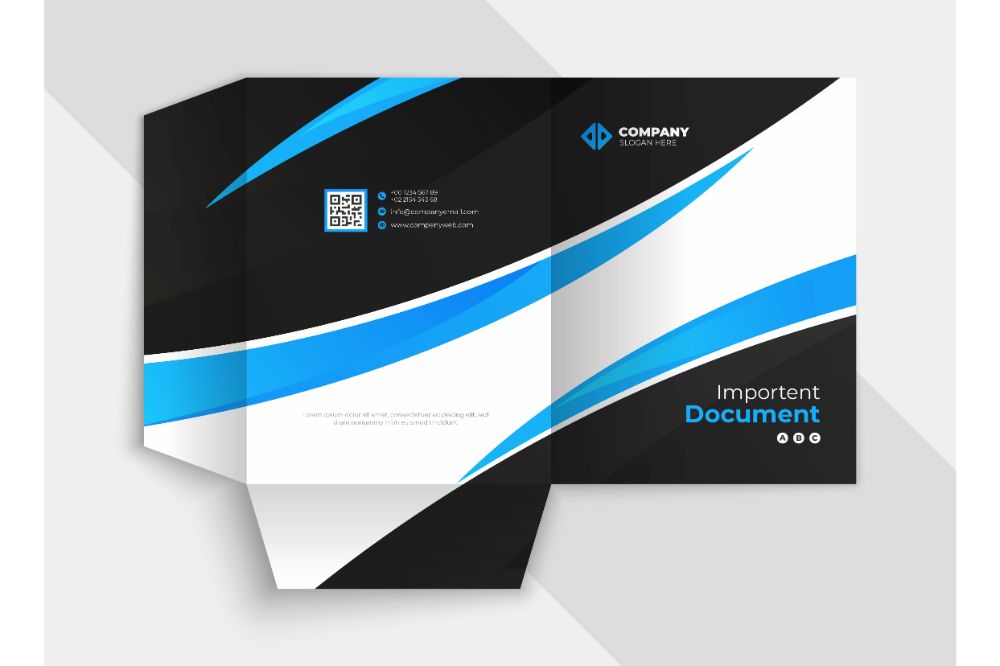
    Perfect for professionally presenting documents, especially when using custom-printed linen envelopes to add a touch of class, featuring your company’s artwork.

    Linen Invitations

    It is ideal for weddings, formal events, and special occasions, mainly using white linen paper.

    Linen Greeting Cards

    Great for conveying heartfelt messages with sophistication, especially when using custom-printed ten envelopes that highlight elegant artwork and full color ink.

    Who Still Uses Linen Stock Marketing Items Today?

    Linen Stock Popularity

    Even in the digital age, many businesses and individuals still value the quality and elegance of linen stock marketing items, especially when incorporating full color designs and artwork. These items are trendy among people who appreciate the touch of quality envelopes.

    High-End Businesses

    Luxury brands and high-end service providers who want to convey quality and sophistication.

    Event Planners

    Professionals organize weddings, galas, and other formal events where first impressions matter.

    Marketing Professionals

    Those looking to make a memorable impact with clients and partners through premium materials.

    Traditionalists

    Individuals and businesses that prefer the classic, timeless appeal of linen stationery for their communications.

    Linen stationery, including envelopes, letterhead, and business cards, offers many benefits, from its professional appearance and durability to its compatibility with high-quality printing techniques. It is sophisticated and elegant for business communications, formal events, or high-end marketing materials. To make the most of these premium products, consider the customization options available at Catdi Printing and elevate your brand with every correspondence.

    Why Choose Catdi Printing for Your Linen Stationery Needs?

    Ready to make a lasting impression with your next important communication or event using 10 envelopes? Contact Catdi Printing to explore our range of linen stationery and discover how our 4-color printing specialization can bring your brand to life, especially with our custom-printed 10 business envelopes.

  • Corporate Branding Services: Establish a Strong Identity and Connect with Your Audience

    Corporate Branding Services: Establish a Strong Identity and Connect with Your Audience

    Introduction

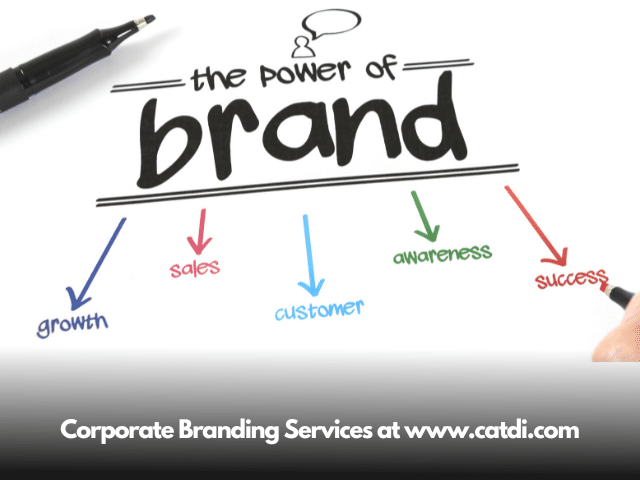
    Your corporate brand is more than just a logo or a tagline. It’s the sum total of everything that your company represents, from your products and services to your values and culture. A strong corporate brand can help you to attract new customers, build loyalty with existing customers, and differentiate yourself from your competitors.

    In this article, we’ll discuss the importance of corporate branding and how to create a strong brand identity. We’ll also highlight the services offered by Catdi Printing, a leading provider of corporate branding services for small and medium-sized businesses.

    Why Corporate Branding Matters

    In today’s competitive marketplace, it’s more important than ever for businesses to have a strong corporate brand. A strong brand can help you to:

    • Attract new customers: When potential customers are looking for a product or service, they’re often drawn to brands that they’re familiar with and that they trust. A strong brand can help you to establish yourself as a credible and reliable option.
    • Build loyalty with existing customers: Once you’ve attracted new customers, you need to find ways to keep them coming back for more. A strong brand can help you to build loyalty with existing customers by giving them a reason to choose your products or services over the competition.
    • Differentiate yourself from your competitors: In today’s marketplace, there are more businesses than ever before. This means that it’s more important than ever for businesses to find ways to differentiate themselves from their competitors. A strong brand can help you to stand out from the crowd and make a positive impression on potential customers.

    How to Create a Strong Brand Identity

    There are a few key things that you need to do in order to create a strong brand identity:

    1. Define your brand values: What are the core values that your company stands for? What do you want your brand to represent? Once you know your brand values, you can use them to guide your branding decisions.
    2. Create a strong visual identity: Your visual identity is made up of your logo, branding colors, and typography. These elements should all work together to create a cohesive and memorable look for your brand.
    3. Develop a clear and concise messaging platform: What do you want your brand to say to potential customers? What are your key messages? Your messaging platform should be clear, concise, and easy to understand.
    4. Be consistent: Consistency is key when it comes to branding. Your brand should be consistent across all of your marketing materials, from your website to your social media pages.

    Catdi Printing

    Catdi Printing is a leading provider of corporate branding services for small and medium-sized businesses. We offer a wide range of services, including logo design, branding strategy, and marketing collateral design. We can help you to create a strong brand identity that will help you to achieve your business goals.

    Contact us today to learn more about how we can help you with your corporate branding needs.

    Conclusion

    A strong corporate brand is an essential asset for any business. It can help you to attract new customers, build loyalty with existing customers, and differentiate yourself from your competitors. If you’re looking to create a strong brand identity for your business, contact Catdi Printing today. We can help you to get started on the right foot.

    Additional Tips

    • Listen to your customers: Your customers are the best source of information about what your brand should represent. Make sure to listen to their feedback and use it to shape your branding efforts.
    • Be creative: Don’t be afraid to be creative with your branding. The best brands are the ones that stand out from the crowd.
    • Be patient: It takes time to build a strong brand. Don’t expect to see results overnight. Just keep working hard and consistent, and you’ll eventually achieve your branding goals.
  • Retractable Banner Stands: Portable and Professional Displays for Any Occasion

    Retractable Banner Stands: Portable and Professional Displays for Any Occasion

    Introduction

    Retractable banner stands are an essential tool for businesses looking to create portable and professional displays for a wide range of occasions. These versatile marketing assets offer convenience, ease of use, and the ability to make a lasting impression on potential customers. 

    In this article, we will explore the benefits of using retractable banner stands for businesses, both small and medium-sized. Catdi Printing, your trusted partner in print marketing, graphic design, large format, direct mail, EDDM, and web design, is here to provide practical advice and insights on how retractable banner stands can elevate your marketing efforts.

    Portability and Convenience

    One of the greatest advantages of retractable banner stands is their portability. These stands are lightweight and come with a compact carrying case, making them easy to transport and set up at any location. Whether you’re attending trade shows, conferences, or events, retractable banner stands offer a convenient solution that can be assembled in minutes, allowing you to showcase your brand and message effectively.

    Professional and Eye-Catching Displays

    Retractable banner stands provide a professional and polished appearance for your displays. The high-quality printed graphics on the banners capture attention and convey your message clearly and effectively. With their sleek and streamlined design, retractable banner stands create a professional image for your business, enhancing brand credibility and making a positive first impression on potential customers.

    Versatile and Customizable

    Retractable banner stands offer versatility in terms of size, design, and functionality. They can be customized to fit your specific marketing needs and can accommodate various banner sizes, allowing you to showcase different messages or promotions. Whether you need a small tabletop display or a large floor-standing banner, retractable banner stands can be tailored to suit your requirements.

    Easy Setup and Storage

    Retractable banner stands are designed for effortless setup and storage. With a retractable mechanism, the banner can be easily pulled up or down, eliminating the need for complex assembly. When not in use, the banner retracts back into the base, protecting it from damage and ensuring it stays in pristine condition for future use. This convenience makes retractable banner stands a practical choice for businesses with limited time and resources.

    Cost-Effective Marketing Solution

    Retractable banner stands offer a cost-effective marketing solution for businesses of all sizes. Compared to other traditional marketing materials, such as large signage or display structures, retractable banner stands are more affordable, making them a budget-friendly choice for small and medium-sized businesses. Furthermore, their reusability and durability make them a wise investment, providing long-term value for your marketing efforts.

    Practical Tips for Using Retractable Banner Stands

    1. Design with Clarity: Ensure your banner design is visually appealing, legible, and conveys your message concisely. Use high-quality images, bold fonts, and a clear call to action to maximize impact.
    2. Focus on Branding: Incorporate your brand elements, such as logos, colors, and taglines, to create consistency and reinforce brand recognition.
    3. Position Strategically: Place your retractable banner stands in high-traffic areas where they will be easily seen by your target audience. Consider the flow of foot traffic and the best angles for maximum visibility.
    4. Use Multiple Stands for Impact: For larger spaces or events, consider using multiple retractable banner stands to create a cohesive and impactful display. Arrange them strategically to tell a story or showcase different aspects of your business.

    Conclusion

    Retractable banner stands are portable, professional, and versatile marketing tools that can elevate your displays and attract attention to your business. With their convenience, easy setup, and customization options, retractable banner stands offer businesses a cost-effective solution to promote their brand and message at various events and locations. Catdi printing is committed to being your trusted partner in providing high-quality retractable banner stands and other print marketing services. Contact us today to learn how we can help you create impactful displays that leave a lasting impression.

  • What Should You Include on a Business Card?

    What Should You Include on a Business Card?

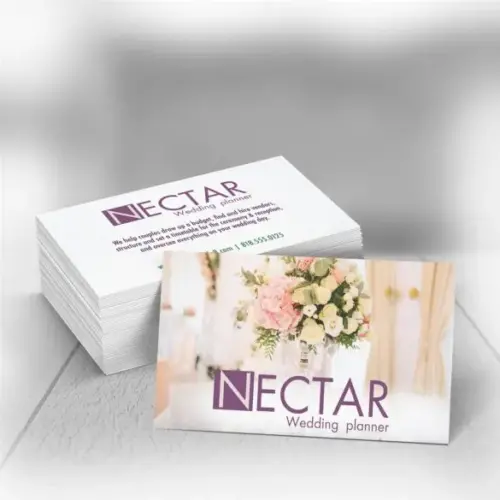
    Don’t think you need a business card in today’s world when you can just take down someone’s information on your smartphone whenever you’re out and about? Think again! Statistics show that a company’s sales increase by 2.5% for every 2,000 business cards they print.

    In short, business cards are still a powerful marketing tool, and there’s a lot to consider when creating your design. You might just include your name, job title, and contact information. But is that all you should be putting on your business card? 

    When it comes to business card information, consider these ideas for what else to include to ensure your cards have the maximum impact on whoever receives them.

    The Importance of a Professional Business Card

    In the business world, first impressions are everything. You only have one chance to make a good impression on potential clients or customers, so you need to make sure that you put your best foot forward. 

    One of the most important tools in making a good first impression is a professional business card

    A well-designed business card communicates that you are professional, competent, and trustworthy. On a more practical level, it also provides potential clients with your contact information so that they can reach you if they need your services. 

    While it might not seem like it, in today’s competitive business landscape, a professional business card can mean the difference between landing a new client and being passed over for someone else. 

    If you’re serious about building your business, invest in a high-quality business card that will make a positive impression on everyone you meet.

    Business Card Information: What to Include

    All of that being said, a business card is only impactful if it features the right information and design. Beyond reflecting your business in a positive light, your business card should also contain some essential information.

    If you’re not sure what kind of business card information to include then here’s a helpful breakdown of some basic business card contents.

    Company Name

    It goes without saying but your company’s name is one of the most important pieces of information to include on a business card. This will help people remember who you are and what your business is all about. 

    Including your company name on your business card also makes it easy for people to find your business online and in directories. Make sure to spell out the full name of your business on your card so that there is no confusion about how it’s spelled or what you offer.

    Company Tagline

    Don’t feel like your business name alone conveys what you do or how you can help impact the bottom line of a potential client?

    Company taglines are a helpful way to summarize what you do and why someone should care. Overall, taglines can be a valuable marketing tool, helping to create an instant association with your brand.

    If you don’t have an official company tagline, consider creating one that is punchy and to the point. This can be especially helpful if your business name isn’t self-explanatory. 

    Make sure the tagline is reflective of your brand identity. Keep it brief (ideally, no more than six words). And finally, make sure it’s easy to remember. It should be short enough to fit on your business card but memorable enough to make a lasting impression.

    Name & Title

    Your business card should include your name and job title.

    Including your job title is also crucial, since it will remind people of your area of expertise. Make sure that your name and title are prominent on the card so that people can easily find and remember this important information.

    In some cases, you may also want to include a headshot or other photo. For example, if you work in a client-facing position, a photo can help put a face to the name.

    Contact Information

    Contact information is key to a great business card. After all, it’s how most people will contact you, so you must include your email address and phone number. However you choose to incorporate your contact details, be sure to choose a font that’s clear and easy to read.

    If you prefer one method of communication to another, make sure it is clear on the card. For example, if you prefer email communication, type your email address in a larger font than your phone number.

    Social Media Handles

    Social media has become a powerful tool for businesses in recent years. It’s a great way to connect with customers and attract new ones. If you’re active on social media, make sure to include your social media handles on your business card. 

    Recognizable social media icons will help make it clear which platforms you’re active on. Just include your username next to the relevant social media icon (e.g., @YourName on Twitter). Simple and effective.

    QR Code

    Finally, consider using a QR code on your business card. You can use them to store everything from website URLs where people can find your list of services to contact information they can save straight to your phone.

    Tips for an Effective Business Card

    Putting the right contact information on your business card is only half the battle. You’ll want to ensure that the design is on point too. After all, this is the first impression someone will have of your brand. Here are some tips to make sure your business card stands out.

    Keep Your Audience in Mind

    When you are designing your business card, it is important to keep your audience in mind. Think about the following:

    • What will appeal to them? 
    • What information do they need? 
    • How can you make sure that your card stands out from the rest?

    By keeping these questions in mind, you can design a business card that will appeal to your target audience. Remember, they’re the ones who are going to receive your cards.

    Ensure the Design is On-Brand

    It’s also important to ensure that the design of your business card is on-brand. This means that it should reflect the overall look and feel of your company website and other marketing materials. 

    If your brand is modern and minimalistic, for example, your business card should be clean and uncluttered. Conversely, if your brand is more playful or whimsical, your business card can be more colorful and fun. 

    By making sure that your business card design is on-brand, you can help ensure that potential clients have a positive first impression of your company that is consistent with your other marketing touchpoints.

    Use Creativity to Stand Out

    Think about what you can do to make your card different from the hundreds or thousands of other cards people receive each day. 

    One way to be creative is to use special features like die-cuts, raised printing, foil accents, or unusual shapes. You can also choose a unique material for your card, like plastic, metal, or wood. 

    Another way to make your business card stand out is to use bold colors or interesting fonts that grab attention. Regardless of how you do so, use your business card as an opportunity to showcase your brand and make a lasting impression on potential customers.

    Keep It Simple

    One of the important things to keep in mind when designing a business card is to keep it simple. A busy or complicated card can be off-putting and difficult to read, so it’s important to use a clean, straightforward design. 

    The best business cards are easy to read and include only essential information. Keep the layout simple, use high-quality paper stock, and choose a font that is easy to read.

    FAQs About Business Card Contents

    Aside from questions about business card information and tips on business card design, here are some of the top questions we’ve received about professional business cards.

    Does Your Business Card Need to Be Two-Sided?

    That depends on a few factors. 

    Firstly, what kind of business are you in? If you’re a freelancer or consultant, a one-sided card may suffice. However, if you’re part of a larger company, or if you have a lot of information you want to include on your card, a two-sided card may be a better choice. 

    Secondly, what is your budget? Two-sided cards are typically more expensive than one-sided cards, so if cost is a concern, you may want to stick with a single-sided design. 

    Finally, consider your branding. If you have a strong visual brand identity, a two-sided card can be a great way to showcase it. If you’re not sure whether a one-sided or two-sided card is right for you, ask a print marketing company for samples of both and see which style you prefer.

    Does Your Business Card Need Textured Effects?

    You might be surprised to learn that textured business cards are becoming increasingly popular. While a traditional matte or glossy finish can be perfectly fine for some businesses, others are looking for something that makes their cards stand out. 

    Textured effects can add both visual interest and a sense of luxury, making them ideal for high-end businesses or those that want to convey a sense of sophistication. 

    There are a variety of different textures that can be achieved, from a subtle linen finish to a raised embossed design. If you’re looking to make your business cards pop, adding a texture may be the way to go.

    Does Your Business Card Need Color?

    You can opt for a black and white business card, but if you want to make an impression, color is the way to go. People are more likely to remember a colorful business card, and it will make your card stand out from the rest.  

    If you are in a creative field, or if you want to show that your company is modern and forward-thinking, a color business card is a great way to do it. 

    Even if you’re not in a creative field, it’s a great idea to incorporate color. This can help ensure that you’re creating a memorable brand interaction while also taking advantage of color psychology and how that can impact whoever sees your card.

    Does Your Business Card Need Social Media Handles?

    Nowadays, it definitely is common for businesses to include their social media handles on their business cards. But what are the benefits of doing this? Does it really make a difference?

    There are a few potential benefits of having social media handles on your business card. 

    First, it can help people connect with your brand or business on a platform where they are already active. This can make it easy for them to follow you and stay up-to-date on your latest news and offerings. 

    Additionally, including social media handles on your business card can show that your brand is “social media savvy” and up-to-date on the latest platforms and trends.

    Ultimately, whether or not to include social media handles on your business card is a personal decision. There are pros and cons to consider. But if you do decide to include them, make sure to include handles for the platforms that are most relevant to your target audience.

    Work With the Right Printing Company

    Now that you know what kind of information to include on your business card it’s time to decide how you’ll print them. Working with the right printing company is essential when it comes to creating quality business cards. 

    A good printing company will be able to advise you on the best paper and printing method for your needs, and will also be able to produce high-quality cards that accurately reflect your brand. 

    One of the most important things to look for in a printing company is experience. Be sure to ask about their previous projects and clients, and try to get a sense of their level of experience. Another important factor to consider is the price. 

    While you don’t want to sacrifice quality, it’s also important to find a company that fits your budget. By taking the time to find the right printing company, you can be sure that your business cards will make a lasting impression.

    Get a Quote For Professional Business Cards

    From business card design to business card printing, Catdi Printing can take care of it all for you. 

    As a proud service provider to Texas-based businesses, we’ve been helping business owners in Houston and beyond enhance their print marketing efforts for years. We can help you make sense of what business card information to include and help you print high-quality cards.

    Click here to get a quote for professional business cards or other printing and digital marketing services.

  • What’s Business Intelligence (Bi) And for Whom It’s Intended

    What’s Business Intelligence (Bi) And for Whom It’s Intended

    BI, i.e. business intelligence, exists for the purpose of efficient business decision making. It’s a technology-driven process for analyzing data and presenting information that’s useful for executives, managers, and other corporate users to make positive business decisions. BI includes a wide range of tools, applications, and methodologies that enable organizations to collect data from internal information systems and/or external sources as a result of business processes (transaction databases – e.g. ATMs, remote readers of electricity, water, gas…), excel spreadsheets, and other forms of generated reports.

    BI prepares data for analysis, and based on created queries over data, creates reports and visualizes data so that analytical results are available to corporate decision-makers, as well as operational workers. As a result, using a Business Intelligence solution to construct highly focused recipient segments enables deep data mining and multi-dimensional analysis.

    Furthermore, integrating this knowledge with the power of email creates incredibly powerful marketing. Leading BI platforms, such as Sisense or Zoho Analytics, have built-in integrations with email newsletters, which can be customized to a brand’s needs and goals via VerticalResponse. This enables email campaigns to be generated automatically using segments of targeted data created on these systems. Platform users can also send an email campaign to the pre-built segment without ever leaving the platform.

      Reasons and Needs for the Introduction of BI Solutions

    ● There’s a need to increase revenue, reduce costs, and operate more competitively. Gone are the days when end-users were able to make business decisions using monthly reports. BI accelerates and improves decision-making, optimizes business processes, increases operational efficiency, and influences the creation of new revenue and gaining a competitive advantage over competitors.

    ● The need to display small amounts of data, which are the result of processing and analyzing large amounts of data. BI data can include historical information stored in a data warehouse, as well as new data collected from a variety of sources that enable BI tools to support strategic and tactical decision-making processes.

    ● There’s a need to reduce IT costs. Initially, BI tools were primarily used by data analysts and other IT experts who conducted analyzes and produced reports with query results. However, business executives and employees are increasingly using BI platforms, thanks in part to the development of self-service BI tools.

    ● There’s a need for permanent monitoring of company performance. The company is required to clearly define its goals and plans, and Key Performance Indicators (KPI) are interpreted in this regard.

      Business Intelligence Architecture

    1.   Data sources

    There are basically two types of data sources: internal and external.

    ● Internal data belongs to the company and is created as a result of generation through the transaction system, describing the activities that took place within the company: such as financial subsystem, sales subsystem, production, resource tracking, billing…

    ● External data is obtained outside the company, most often through specialized functions that deal with the collection and distribution of information. They are critical to strategic decisions because they help companies see favorable opportunities as well as threats. External data may relate to data on competitiveness (products, services, changes in competing companies…), economic data (currency fluctuations, political indicators, interest rate movements, stock exchange data…), professional (technological trends, marketing…), econometric (revenues of an individual group, customer behavior…), psychometric (customer profiling), demographic, and marketing data.

    1.   Integration services (extraction, transformation, loading)

    Integration services are tools used to migrate a wide range of data. They use data transfer extraction, transformation, and loading (ETL). The integration service also has a wizard for importing and exporting data, which can work with different types of data without transformation.

    1.   DW – Data Warehouse

    DW (DWH) is a data warehouse. Data must be integrated, consolidated, and cleaned using integration services before it can be stored in DWH.  This can be valuable to printers like Catdi where we can track and more effectively track inventory. Data can be stored in smaller DMs (data marts), grouped by business processes: finance, production, warehouse, sales… which all represent subsets of company information.

    Each data contains a timeline with a historical trace of the company’s business as well as data from the external environment. Predicting future events isn’t possible without knowing the past of the same or some other event. DW is designed to enable data retrieval, on-line analytical processing (OLAP), reporting, and supporting business decision-making processes.

    1.   Databases for analytical and transactional purposes

    To understand the essence of the DWH concept, it’s of great importance to identify the basic characteristics, advantages, and disadvantages of OLTP (transactional) and OLAP (analytical) data processing.

    ● OLTP (On-Line Transaction Processing) is focused on details, with frequent updates by end-users, and continuous (permanent) business processes. OLTP systems are based on relational databases in accordance with the rules of normalization. Intricate data is broken down into the most basic structural columns. They are suitable for quickly updating data, and determining relationships while preparing complex reports can take a lot of processing time and impair database performance.

    ● OLAP (On-Line Analytical Processing) is a type of technology that allows analysts and managers to view data through fast, consistent, and interactive access to a large number of diverse reports, based on information obtained by transforming raw data. Here, the data is denormalized, the execution of queries over such data organization is much faster, and at the same time, the database scheme is simplified. This makes it easier to search for staff who aren’t technically savvy. The model is based on the methodology of multidimensional analysis, which means that data can be viewed through a number of filters. These systems don’t deal with data processing, but interpretation and analysis.

      OLAP vs OLTP

    Feature

    OLAP

    OLTP

    Attribute

    Information processing and data analysis

    Operational data processing

    Focus

    More complex queries

    Large number of transactions, data entry

    Users

    Managers, analysts

    Salesperson, technician, a multitude of different users

    Database size

    Gb – Tb of data

    Mb – Gb of data

    Access/number of users

    Reading/hundreds

    Reading – writing/thousands

    Functions

    Long-term analysis, summary, and revised data

    Everyday operation (raw data/entry, changing…)

    Data type

    Historical data

    Updated data, current

    Database design

    Star/snowflake

    ER model

    Reporting and analytical tools

    BI technology also includes data visualization software for charting and other infographics as well as spreadsheet tools, Dashboards that display visual data on business metrics, and KPIs in a simple way. The use of data visualization tools has become the norm in present business intelligence. Several leading manufacturers have defined BI reporting and analysis tool technology.

      BI Trend

    In addition to BI Managers, business intelligence teams typically include a mix of BI architects, BI developers, commercial printers, mail houses, business analysts, and data management professionals. Business users are also often people who represent the business side, they aren’t directly interested in the details of DWH but are there to provide business logic in the BI development process.

    BI platforms are increasingly being used as front-end interfaces for large data systems. Modern BI software usually offers flexible endpoints, allowing them to connect to different data sources. This, with a simple user interface, makes it a good tool for handling large amounts of data.

  • Why Are Glossy UV Coated Business Cards So Popular?

    Why Are Glossy UV Coated Business Cards So Popular?

    With the digital communications boom, you might think business cards are a thing of the past. Well, you’d be wrong. Business cards are still a great and incredibly relevant way to drum up interest in you and your work. 

    Of course, a business card is only as effective as its design. Glossy UV business cards, in particular, are grabbing many people’s interest.

    Why are glossy UV-coated business cards so popular? Well, in this article, we’ll break it down for you. 

    What is UV Coating?

    Surely, you’ve seen them before: business cards that are so shiny that you can practically see your reflection in them. 

    This isn’t a special type of paper. It’s actually a gloss known as UV coating. 

    UV stands for ultra voilet. The name comes from the specialized “curing” process that gives UV cards their sleek finish. 

    You can use UV coating on a variety of printed materials, not just business cards.

    How Does UV Coating Work?

    UV coating machines are responsible for that characteristic sleek and glossy coat. They start by varnishing your business card or other printed materials. It’s up to you whether you want one or both sides varnished.

    Next, your print shop will place the cards or prints under a UV light, the same type of light that comes from the sun. These lights are specially calibrated and designed specifically for printing purposes.

    The UV light “cures,” or sets, the varnish. This process will harden the varnish, instantly drying it and leaving behind a sleek, glossy finish.

    Why Are Glossy UV-Coated Business Cards So Popular?

    There are a lot of benefits of using glossy UV business cards. This makes them an incredibly popular choice for business card printing. 

    One of the biggest reasons people choose glossy cards is because of their ability to grab your attention. Shiny objects are very attractive to most people, and that’s true even with a business card. 

    Some specific benefits you can expect from a UV-coated card include:

    Helps Business Card Design Stand Out

    A glossy surface can also help to sharpen your business card design. By locking in any colors or shapes on your design, the glossy finish keeps cards looking more vibrant and professional.

    Additionally, UV coating gives your business card a nice thickness and a unique weight. The varnish gives your business card an extra layer, so it feels thicker and heavier when you hold it. This may help to set your business card apart from everyone else’s. 

    Helps Your Cards Last Longer

    The varnish doesn’t just make business cards look good. It also helps them to last longer. 

    When you add a varnished layer, you are essentially entrapping your business card in a protective barrier. This makes your cards more durable and makes them resistant to things like:

    • Bending
    • Curling
    • Tearing

    In some cases, it can even make them more water-resistant, so your business cards won’t crumble in the rain. 

    This helps your cards stay in the hands of your prospective network instead of being ripped, bent, or disintegrated in the trash.

    Helps Give a Satisfying Texture

    Sensory stimulation is a great way to not only grab people’s attention but also help them remember you. After all, no one is going to want to hold onto something that feels uncomfortable to touch.

    UV coating help give your business cards a smooth, satisfying texture. This makes them more pleasant to hold and therefore more likely to be read and reached for. 

    Helps to Convey Your Brand and Personal Image

    The way you design and print your business cards can say a lot about who you are as a person or business. All the above benefits mentioned help to convey the message of a high-quality, robust brand that people can trust.

    By applying UV coating, you say to your network that you care about quality and dependability. Applying a quality coating to your on-the-ground marketing materials tells your customers or network that you don’t mess around and that you always follow through.

    Helps You Get Your Cards Faster

    Because of UV-coating’s instantaneous drying times, production is startlingly fast. This allows production, packaging, and shipping all to move at a faster pace.

    So, if you need your business cards fast, you can rest easy knowing that UV-coating won’t slow down production times.

    Is UV Coating Environmentally Friendly?

    Environmental responsibility is increasingly important to both businesses and customers alike. If your business cards are telling your brand story, you certainly don’t want them to tell the story of a brand that is environmentally reckless.

    While some forms of varnish can emit toxic fumes, this specialized UV coating isn’t one of them. With no harmful solvents, UV coating does not emit volatile organic compounds or VOCs. 

    Additionally, gloss-coated business cards can be recycled the same as any other piece of paper. So, you won’t have to worry about your business cards clogging up landfills or damaging ecosystems.

    When Should You Avoid Glossy Coating?

    Unfortunately, despite its many benefits, a glossy coating isn’t ideal for every type of business card. Though most printed pieces will look great with gloss, you should avoid putting it on cards with:

    • Metallic inks
    • Foil stamping

    Additionally, paper with weights under 100# doesn’t hold up well under the heavier glossy coating. It’s best to avoid using UV-coated gloss when working with thinner paper products.

    It’s also important to remember that UV gloss cannot be written on. So, if you plan to have writing on your business card for whatever reason, best to skip the gloss. UV gloss also shouldn’t be used on products such as mailers, which will require users to fill out certain portions.

    How to Make the Most of Your UV-Coated Business Cards

    UV coating will look best when matched with certain design elements and paper selections. If you want to convey a certain image for your brand, you need to make smart choices that elevate your business cards.

    Some design elements you should consider include:

    Use a Thicker Paper

    First, you should choose thicker paper stock. A 16-point gloss paper or 13-point recycled matte paper are great options that complement UV coating extremely well.

    While UV coating can accommodate thinner paper choices, it might not look as sharp. If you are trying to convey a message of stability and durability, the thicker paper will look and feel more appropriate. 

    The thicker paper stock also adds an air of sophistication and constitution to your card. It will feel better in people’s hands, as well, helping to activate their sensory satisfaction and emotional triggers.

    Don’t Overcrowd Your Design

    One of the great benefits of UV coating is how sharp and crisp it can make your logo or other designs look. That’s why you’ll want to incorporate plenty of white space and avoid overcrowding the design.

    However, you don’t need to have a white background to make the gloss coating look good. In fact, using a colorful background can enhance the glossiness of the card itself. 

    Light blue backgrounds look incredibly good under a UV coating. Other colors will also stand out nicely and look sharper. A black background may also look sleek and sophisticated. 

    Use Plenty of Vibrant Colors

    The background isn’t the only part of the card that will benefit from vibrant colors under a UV gloss. Since the gloss gives business cards an overall sharper appearance, it also helps to make colors appear even more vibrant.

    Though designs should be kept relatively simple, they should also be bright and eye-catching. Gloss can help to enhance these design decisions. 

    The boldness of an ultraviolet coating easily compliments bold design decisions. 

    Try Spot UV Coating

    Spot UV coating is a great option for people who want added gloss without covering the full card. With Spot UV coating, you can choose to add a UV coat to certain design elements, such as text or logos.

    This allows you to customize your card. If you’re worried about it being too heavy or costly or plan to use foil printing in some sections, spot UV coating allows you to still reap the benefits of gloss coating without any drawbacks.

    Spot UV coating is especially good for drawing attention to certain items on the business card. For example, your business name or logo, phone number, or other text or images that you’d like to highlight. It’s also great for adding more texture to your card’s surface.

    Make Sure Your Business Cards Stand Out

    Well, now you know the answer to the question, “why are glossy UV-coated business cards so popular?” The host of massive benefits helps your card stand apart from the competition. It also gives you an air of sophistication and dependability.

    If you’d like to learn more or test out glossy UV coating in Texas, you can request a quote from our shop. Our printing experts make sure you get the highest quality at the most reasonable prices every single time.

    Help your business cards stand out, and contact us today!

  • 8 Effective Tips for Designing Business Brochures

    8 Effective Tips for Designing Business Brochures

    Did you know that 61% of consumers will buy a product they have seen in a brochure? In the digital marketing age, a traditional publication is unique, and bound to attract attention. But how do you get the design right?

    Creating your brochure takes patience, preparation, and practice. Read on as we give eight essential tips for designing business brochures

    1. Know Your Goal

    When you create brochures for your business, always go into them with a goal in mind. This allows you to focus on relevant information and images, that get your message across. 

    Are you trying to showcase a new product line? Are you using it to provide examples of previous work you have completed? Or are you just giving an overview of the company and its history?

    You should also avoid a brochure that crams multiple objectives into it. This can give a scattered, messy look to the publication. Instead, create smaller brochures to serve different purposes. 

    2. Prepare Text and Images Beforehand

    If you prepare your essential images and copy beforehand, it can help gauge the size of the brochure that you need. From here, you can begin to consider headings, fonts, and the general layout. 

    Try to avoid large blocks of text when planning your design. Smaller paragraphs make it easier for people to read and digest the text. You can also use headings, charts, and bullet points to break it all up.

    Should you have any reservations then look at other brochures for reference. If in doubt stick with a minimalist, clean look that favors readability. 

    3. Know Your Audience

    Once you know what you are putting in the brochure, you need to work out who you are writing it for. Luckily, as a business owner, you should know your customers well. Think about the demographic and tailor your design and language to suit them. 

    Another consideration to make is if you are using it for existing customers, or to attract new ones. If it is aimed at existing customers, you don’t have to give them the background and information about the company. Instead, go straight into driving sales. 

    When you are attracting new customers, you should use it to build relationships. Less sales language is preferable and you should concentrate on informing them about your company. 

    4. Consider Your Folds

    There are numerous types of brochures, each with slightly different folding designs. You need to consider this, as the fold can impact images and obscure text alignment. 

    Bifold brochures, for example, have a cover but will obscure the inside. Once opened, the reader can absorb the information before turning to the back. 

    Trifold brochures are more common in business. The three panels fold together in a concertina shape. Each fold can be used as a separate boundary, or you can run images across them using it as a larger piece. 

    5. Embrace Space

    You don’t have to fill every part of your brochure and should actively try to avoid doing so. By filling everything, the brochure will be cluttered and messy. Information will also be harder for your customers to digest.

    Instead, you should consider using space to balance the pages. Have areas that contain lots of information with areas that are sparse and spacious. You could also use color and negative space to add attention to quotes or testimonials. 

    One other idea is to switch between light and dark backgrounds. This can make it easier for readers by segmenting information types into areas. 

    6. Make It Flow

    Once you have the main elements, make sure your brochure ideas flow neatly across the publication. Text and images should be balanced so that the eye is drawn to the brochure and knows where to go next. 

    You can use color to assist in this as well. Darker colors should be employed for the headings and text. Lighter colors should be in the images so they add to your copy, and don’t detract from it. 

    Another technique is to add graphics. They can also direct the reader in a logical flow through your brochure.

    7. Invest in Images

    It pays to invest in high-quality images. When marketing a company the pictures you use can tell stories the text can not. Therefore it is important to make sure that you spend time and money on them. 

    Make sure you hire a professional photographer. They will have the right cameras and tools to ensure your products pop on the page. Attempt to match colors and tones to the rest of your brochure design, theming them and tieing them together. 

    8. Include a CTA

    A call to action (CTA) is an instruction to the reader. They are important as they tell the reader what to do next. Without them, they can simply tail off, put the brochure down and forget to follow up. 

    They can be as simple as telling the reader to visit a website or make a call. However, this technique usually works better when combined with other elements informing them why they should do the command.

    For example, you may offer incentives such as sales or discounts. Another idea is to create a sense of urgency by adding limited-time offers. 

    Get Great Printing for Your Business Brochures

    Once you have the design for your business brochures, you just need to find great printing. Don’t cut corners, as poorly made products can destroy a great design. Instead, you should find a company that has a reputation for quality. 

    For all your printing needs in the Houston area, Catdi should be your first stop. We can print all your promotional materials, as well as provide web design and direct mail services. Visit us here to request an instant quote for your next job. 

  • 7 Ideas on How to Run a Successful Printing Business

    7 Ideas on How to Run a Successful Printing Business

    Having a regular 9-to-5 job can help you find financial success in life. However, such a steady job can make you less flexible, limit your income, or expose you to a toxic working environment. In turn, all these factors could harm your future financial security.

    To avoid all these inconveniences and control your own time, you would do well to start your own business. And one very profitable business you can undertake in the modern world is the printing business. In fact, according to proven market research, the average printing business owner can generate around $100,000 every year if they play their cards right!

    This article discusses seven tips to help you start and run a successful printing business. Read on!

    Get Investors to Expand

    The bigger the printing business, the more profit you can generate. This is why it would be good to use small business loans to help you expand your business. Consult with an investor and partner with them to grow your business.

    Run Frequent Promotions

    Who doesn’t like promotions? So take advantage of this and run different upgrades for your printing business. For example, you could offer a 50% discount on zine printing services.

    Alternatively, include free design consultations in your packages or simply wave off fees for bulk offers. Such promotions will undoubtedly add value to your audience and attract more customers.

    Use Affordable Equipment

    You don’t necessarily have to go all-inclusive and buy the most high-end equipment to run a successful printing business. Instead, you can simply invest in a few affordable printing types of equipment to get the job done just as effectively as the expensive equipment.

    Using affordable equipment allows you to test the business first before you can pour in all money. Also, it makes it possible to start the business without enough capital; all you need to do is simply get a small business loan to buy the required equipment.

    Focus on Companies and Businesses

    Large businesses and companies usually require printing services in bulk, unlike the average daily consumption. Therefore, while it’s still okay to market your business to individuals, you would do well to focus on new marketing ideas on companies and firms. Examples of such companies you can advertise your business to include restaurants, magazine firms, and government offices.

    Conduct a Thorough Market Research

    Before you can venture into the printing business, the first thing you should do is conduct proper market research. For example, if you intend to start a business too saturated, will you easily access printing equipment and materials within your business location? Have any of the competitors closed their businesses or gone bankrupt?

    Considering these questions will help you decide when and where to start your printing business. In addition, it will help you prove the market so that you invest your money in the right place.

    Set Up a Legal Business Structure

    For the government to recognize your business as a legal entity, you need to have a legal structure. The Limited Liability Company (LLC) is highly recommended since it allows you to partner with other people in the business. If the business goes bankrupt, your assets will be limited.

    Develop an Online Presence

    Nowadays, most customers lookup for products and services online and order these from their homes. Therefore, if your printing business is to attract more customers and generate more profit, you need to have an online presence. Get an SEO-optimized website and market your business on social media platforms for wider marketing coverage.

    Conclusion

    Whether you recently started a printing business or have been operating one for quite a while, you can still turn it into a lucrative business. However, the above-suggested 7 ideas on how to run a successful printing business will help you take it to another level. This level defines true success and profitability!

  • Paper Shortages & Supply: How COVID-19 Has Impacted the Supply Line

    Paper Shortages & Supply: How COVID-19 Has Impacted the Supply Line

    Paper Supply Shortage Explained

    It’s no secret that the paper supply has been strained for some time now. But what is causing this persistent issue and how will it impact our business. Catdi Printing from the very beginning of the pandemic, quickly transitioned our print offerings and setup a free Covid-19 Resource Page.

    There are a few factors at play here: an unprecedented demand for paper, an oversold capacity, strikes and mill global closures- all during to COVID-19 Pandemic. Let’s break it down further.

    The global COVID-19 Pandemic created havoc around the world, disrupting businesses and paper supply chains in the process. This led to high prices and less availability of paper- a essential item for printers. In addition, many mills closed their doors due to Covid-19, which only compounded the problem. The lack of available paper has driven up prices and left hotels struggling to find ways to keep up with customer demand. What can you do as a commercial print and direct mail house? Mid-sized mills went out of business during Covid leading to further reductions in overall capacity so its important to stock up on paper ahead of time. Additionally, be sure communicate this shortage in your marketing efforts; letting our customers know that they may experience delays or shortages when trying to make reservations is key.

    Paper shortages are a global issue that is most prevalent in developed countries. About 30% of total paper production goes to Asia, with about 50% going to Europe and North America. The United States is the world’s largest paper producer, but it still imports a substantial amount of raw materials from other countries because there are not enough trees in our country. Paper shortages are on the rise, and they’re a problem that is only getting worse. The reason for this lies in our wasteful use of paper products like copy paper, napkins and toilet paper. Paper is made from wood, a natural resource that can’t be replaced.

    We use paper for many purposes because it’s cheap and easy to manufacture, and its a natural resource But demand is increasing for this amazing resource. In fact, it’s increasing every year as more people get access to printers and computers. The printing industry is no different. With businesses opening back up the demand for paper products in the form of business cards to direct mailer is having a strain on the supplies.

    Spiralling paper prices, Labor Strikes and Shortages Damaging the Printing Business?

    The paper industry is currently facing a number of challenges, with prices and shortages both spiraling out of control. This is having a devastating effect on the print industry, with customers uncertain about the future availability of paper and board.

    In addition to the price hikes and shortages, graphic product demand has seen a decline in recent months; however, it is almost back to pre-pandemic levels in most countries. The World Paper Coated Fine Board Federation (WPCF) has pointed out that they have experienced an increase in prices and supply problems which is devastating for some customers. The paper mills are on strike, causing a shortage in materials and ultimately financial losses to both parties.

    The paper mill strike has been going on for months now, and it shows no sign of stopping anytime soon. This will cause shortages in the short-term – tensions are high across all markets, leading to even further supply problems for forest-based products as well as food and medical supplies that cannot be put on the market due to lack of packaging. In addition to these issues, prices continue to rise as demand outpaces available stock – meaning that users could potentially switch over to digital media if things don’t improve soon.

    Unfortunately, the American paper industry is also impacted by the strikes and unrest in Europe. This is having a knock-on effect on jobs, with the industry estimated to have lost 50% of its workforce since 2009. It’s clear that things are only going to get worse before they get better – and if something isn’t done to address the current situation, the print industry could be facing an uncertain future. But…. not all is lost. As supply lines improve and demand curves get flattened things are working themselves out. Catdi Printing has seen that supply lines are improving and inventory is up which means that prices will hopefully start to come down. We have held the line in raising costs accross the board but we dont know how long we can hold out.

    How COVID-19 has Impacted the Enviroment Paper Supply, Continued Shortages.

    The world’s forests are being depleted at an alarming rate. According to the United Nations’ Food and Agriculture Organization (FAO), more than half of the planet’s original forest cover has been lost. At the current rate, another 40 percent will be gone by 2050.

    The problem is not just deforestation for timber or to clear land for agriculture and development; it’s also a matter of demand outstripping supply.In short, too many people are cutting down trees for paper products such as books and newspapers. The world’s population is growing and becoming more educated, which means that more books and newspapers are being consumed. The problem is compounded by the fact that many forests in developing countries have bee degraded to the point that they can no longer produce enough usable wood fiber for paper. In many countries, forests are being cut down faster than new ones can be planted and the program is accelerating.

    Paper Supply Shortage at Present

    The paper shortage has been an ongoing problem for about 2 years now, but it seems to be getting worse for the time being. The mills can’t keep up with the demand, and as a result, the price of paper is going up. This is causing problems for both consumers and businesses.

    Domestic mills are in the same boat as European and Asian mills; they all have higher costs for containers and shipping charges. And because of the COVID-19 pandemic, things have getting worse. Paper mills are experiencing shortages in production, which means that the price of paper will likely stay high for a while.

    This is a perfect storm: limited allocations from suppliers coupled with new orders being suspended indefinitely. There are concerns that the paper supply may not be enough to meet demand for notepads and pens. In fact, some companies have been struggling to provide their customers with enough supplies of paper lately.

    How Long Will Paper Shortage Last?

    It’s hard to say for sure how long the paper shortage will last. On one hand, it seems that things have improved since 2021 and many shortages were resolved quickly. However, others linger on and cause problems for companies all over the world.

    What we do know is that paper shortages are temporary. They happen when demand changes, such as during an emergency or a spike in supply. For example, think about what happens at Christmas time when people buy more presents than usual. The stores have to order more supplies to meet the demand, and eventually the new stock arrives and everything goes back to normal.

    The bullwhip effect refers to the idea that small changes in demand can result in huge shifts throughout the supply chain. This happens because suppliers base their production levels on past data which may not be accurate anymore–for instance, if there’s a sudden pandemic-caused decrease in demand then suppliers will produce less overall even though people might still want those products (just not as many). As you can imagine, this can lead to big problems further down the line as manufacturers start producing different items altogether or stop production lines altogether until they can get a better estimate of future demand.

    So while it’s difficult to say exactly how long the paper shortage will last, we can be hopeful that it will eventually resolve itself. In the meantime, let’s all try to conserve as much paper as possible! This is why we are recommending digital printing or print on demand printing. This way you print exactly what you need and dont over print. However the trade off is that this is done on a digital printer which has a smaller sheet size than our traditional offset presses. We at Catdi Printing are continuing fuill steam ahead and continue to offer our customers solutions to their business regardless what challenges arise.

    Why are So Many Printers Out of Stock?

    There are a few reasons why so many printers are out of stock. The main reason, however, is the high demand caused by people wanting to print copies of their documents in light of COVID-19. With the pandemic causing widespread panic and uncertainty, many people have turned to printed documents as a way to keep track of their affairs.

    Another reason for the printer shortage is that manufacturers simply didn’t expect such a high demand. They thought that people would only use printers for personal reasons rather than for business purposes. As a result, they didn’t produce enough printers to meet the current demand.

    There is also a possibility that we may see a shortage of printers in the near future. This is because so many factories have been shut down due to the pandemic. If this continues, it could lead to an overall decrease in printer production and cause another shortage down the road.

    So while it’s difficult to say exactly how long the paper shortage will last, we can be hopeful that it will eventually resolve itself. In the meantime, let’s all try to conserve as much paper as possible! This is why we are recommending digital printing or print on demand printing. This way you exactly what you need and dont over print. However the trade off is that this is done on a digital printer which has a smaller sheet size than our traditional offset presses. We at Catdi Printing are continuing full steam ahead and continue to offer our customers solutions to their business regardless of what challenges arise.

  • How to Use Direct Mail in Dallas to Grow Your Business

    How to Use Direct Mail in Dallas to Grow Your Business

    Why Use DirectMail?   

    There are many reasons to use directmail as a marketing strategy. First, it’s a great way to reach consumers without spamming them. Second, direct mail has helped countless small companies with boosting their sales in Dallas, TX. Third, Catdi Printing’s direct mail offerings focuses on delivering a custom design and multiple advertisers to qualified leads. Fourth, direct mail offers great ROI because the customer’s name and address are obtained in one quick action–giving marketers much more information about them than other forms of advertising like social media or search engine optimization would offer. Lastly we offer two types of direct mail marketing services; list required direct mail and EDDM (Every Door Direct Mail) but this article is focused on traditional list direct mail marketing.

    It May Be “Old School”, But Direct Mail Still Works!  

    Some people might think that direct mail is an “old school” method of marketing, but it’s still a viable and effective way to reach potential customers. In fact, direct mail can be more successful than other methods, like email or text. One reason why direct mail is so successful is because it’s a cost effective and efficient way to reach potential customers. Direct mail marketing materials are delivered or picked up by the US Postal service six days/week in Dallas, TX . Another reason why direct mail works so well is because it’s a proven channel that can be effective when used strategically. For example, you can target specific demographics with your mailing list, or you can send out special offers that are only available through direct mail.

    Finally, one of the best things about using direct mail is that it can help during budget constraints. Unlike other forms of advertising, such as TV or radio commercials, direct mail doesn’t require much upfront spending. And often times, businesses see an increase in ROI due to increased brand awareness.

    Use Direct Mail Advertising to Get the Right Message to the Right People  

    When you’re looking for a way to reach potential customers, direct mail is a proven method that can’t be beaten. And at Catdi Printing, we have the experience and expertise to help you create an effective direct mail campaign that will get your message in front of the right people. One of the most important aspects of any direct mail campaign is the headline–it’s what grabs attention and makes people want to learn more. So make sure it’s eye-catching and intriguing, and stands out from all the other noise competing for attention. Another thing to keep in mind when planning your direct mail campaign is cost. Unlike some other forms of advertising, direct mail requires expert design, printing and mailing services–which can add up quickly if you’re not careful. That’s why it’s important to use direct mail as part of an overall marketing strategy, rather than trying to rely on it alone. At Catdi Printing, we offer a wide range of customization options that will help make your messages feel personal and relevant to each individual recipient. And our team of experts will help make sure your campaigns are printed perfectly and delivered on time every time.

    How Catdi Printing Provides Dallas Direct Mail Advertising Services?  

    Dallas businesses have a number of choices when it comes to finding someone to provide them with direct mail advertising services. However, Catdi Printing is not the best fit for companies who are only interested in lists and mailing services. Catdi Printing provides direct-mail advertising services that include designing and printing your materials, as well as targeting the right audience and getting your ad delivered to their doorsteps. We also offer a range of pricing options so you can find one that fits your budget. And our online platform makes it easy to request quotes on various products and services, so you can get all the information you need before making a decision.

    Dallas Texas Radius Program  

    The Dallas Texas Radius Program is a great way to reach new customers in the area. The Dallas Fort Worth Metroplex  has close to 8 million people.oversized postcards are delivered to qualified homeowners, and turnaround is quick and easy. Plus, we offer enhanced solo mail and a Custom Solo Mailer to really make your message stand out. Our direct mail services are designed to help you reach your target audience with stunning graphics and appealing offers. And our variable data option for the enhanced solo program ensures that each mailing is customized for maximum impact. . Precise targeting means improved results for your business–so don’t wait any longer! Try the Dallas Texas Radius Program today!

    Locally Targeted Direct Mail Marketing in Dallas  

    Dallas is a great place to do business, and direct mail marketing is still one of the most effective ways to reach potential customers. Did you know that we specialize in helping businesses like yours reach targeted affluent homeowners? We can help you create a campaign that will reach your target market directly. In Dallas, direct mail marketing is a tried and true method for reaching households. However, it’s important to target specific groups of people with your message. Direct mail campaigns are effective when they include an enticing offer with a targeted audience. For example, if you’re a real estate agent trying to attract new clients, you might want to consider targeting neighborhoods where people are likely to move soon. Direct mail campaigns must be managed to maximize response rates and profits. That’s why our team of marketing experts work closely with clients to create direct mail pieces that perform well in the market place and are tailored to their specific needs.

    New Homeowner Direct Mail Program  

    If you’re looking for a way to grow your business, consider using direct mail. Catdi Printing is a Texas based commercial print and direct mail company that specializes in delivering invitations to new homeowners, and they can help you reach potential customers quickly and easily. In fact, 85% of leads are generated by the first business that contacts them during the move-in process.  This program allows companies to send cards and offers in response to  deliveries. It’s an affordable way to reach high income, upscale homeowners only four times per year. And with a lifetime value of $250 per homeowner, it’s a great investment for your business.

    Another great option is the New Homeowner City Showcase Program. This program gets new homeowners within 30 days of moving in! Solo mail is a stand-alone mail piece focused solely on your business’ advertisement, and it’s perfect for reaching out to potential customers who haven’t moved into their new home yet. Our program sends personalized mailings to important neighborhoods for less than half the cost of a first-class stamp. With this porgram, you can target homeowners who are most likely to be interested in your product or service. And because each mailing is tailored to the needs of each homeowner, you can be sure that your message will be seen and appreciated.

    Other Dallas Marketing Services Catdi Printing Offers  

    Besides Direct Mail Catdi offers a variety of marketing services to business owners in the Dallas area. These services include traditional marketing, website design, SEO, digital marketing, and social media marketing. One popular form of marketing that is often overlooked is local SEO. This type of advertising can be very effective when done correctly and can reach a large local audience quickly. In addition, Catdi has been specializing in website design since 1999- making them one of the most experienced providers in the Dallas area.

    Let’s get started with Catdi Printing

    Call us today so you’ll find all the information you need on how to use our services to grow your business. We offer a variety of options for delivering growth for your small business

    The USPS is not affiliated with Catdi Printing and no sponsorship or endorsement is intended or implied. However, we so work with them so that our services very cost-effective. Take a look at the table below to see which delivery method is best for you. If you are looking for an experienced provider who can offer a wide range of services, then Catdi Printing is definitely worth considering. They have over 18 years of experience in the field and are capable of handling all your design needs. In addition, they offer freedom and flexibility which makes them an attractive option for business owners in Dallas


  • Chaos to Order: Pocket Folders for Efficient Organization

    Chaos to Order: Pocket Folders for Efficient Organization

    Welcome to our comprehensive guide on utilizing pocket folders to achieve efficient organization. In this article, we will explore the benefits and practical applications of pocket folders, providing insights on how they can help you transform chaos into order. Whether you are a student, a professional, or an individual seeking better organization in your daily life, pocket folders are powerful tools that can streamline your workflow and enhance your productivity. Join us as we uncover the secrets to mastering organization with pocket folders.

    The Power of Pocket Folders

    Pocket folders go beyond being mere stationery items; they possess the ability to revolutionize your organization system. By harnessing their potential, you can effectively manage your documents, keep track of important information, and boost overall efficiency. Let’s delve into the key advantages of incorporating pocket folders into your organizational arsenal.

    1. Enhanced Document Management

    One of the primary benefits of pocket folders lies in their ability to facilitate efficient document management. With multiple pockets and sections, these folders provide designated spaces for different types of documents, enabling you to categorize and organize them effectively. Whether you need to sort bills, contracts, research materials, or meeting notepads, pocket folders offer a convenient solution to keep everything in one place.

    2. Streamlined Workflow

    In our fast-paced world, a streamlined workflow is vital for maximizing productivity. Pocket folders allow you to structure your tasks, ensuring that important documents are readily accessible when needed. By keeping everything organized, you save valuable time that would otherwise be wasted searching for misplaced papers or information. A well-organized folder system allows for a seamless flow of work, improving overall efficiency.

    3. Portability and Accessibility

    Pocket folders are designed with portability in mind, making them ideal for professionals on the go or students moving between classes. Their compact size and lightweight nature enable you to carry essential documents wherever you need to be. Furthermore, the organized pockets ensure that the information you require is readily available at your fingertips, eliminating the need for rummaging through stacks of papers.

    4. Personal and Professional Applications

    Pocket folders are versatile tools suitable for various settings, both personal and professional. Students can utilize them to store class notes, assignments, and reference materials, while business professionals can keep track of client documents, project details, and important presentations. The adaptability of pocket folders makes them invaluable in any organizational endeavor, ensuring efficiency in a range of scenarios.

    Tips for Effective Pocket Folder Organization

    Now that we have established the benefits of pocket folders, let’s explore some tips for organizing your documents effectively within these versatile tools.

    1. Prioritize Sorting

    Begin by sorting your documents into relevant categories. Create labels or employ color-coding systems to differentiate between different types of information. This initial sorting process lays the foundation for a well-organized pocket folder system.

    2. Utilize Multiple Pockets

    Leverage the multiple pockets available in pocket folders to further categorize your documents. Assign each pocket a specific purpose, such as “To Do,” “Urgent,” or “Reference.” By doing so, you can easily retrieve the required information without any confusion. The structured layout of pocket folders enhances efficiency and ensures everything has its designated place.

    3. Regular Maintenance

    Maintaining your pocket folders is crucial for sustained effectiveness. Dedicate regular intervals to review and update the contents of your folders. Remove any unnecessary documents or outdated information, ensuring that your folders remain clutter-free and optimized for efficiency. Regular maintenance prevents the accumulation of unnecessary papers, allowing you to stay focused on what truly matters.

    4. Secure Important Documents

    For added security, consider incorporating folder fasteners or paperclips to keep important documents intact within the pockets. This precautionary measure minimizes the risk of loss or misplacement, providing you with peace of mind. By securing vital documents, you can confidently navigate through your pocket folders, knowing that crucial information is well-protected.

    Conclusion

    In conclusion, pocket folders are invaluable tools for achieving efficient organization in various aspects of life. From managing documents to streamlining workflows, these versatile folders offer numerous benefits that significantly enhance your productivity. By implementing the tips and strategies outlined in this guide, you can harness the full potential of pocket folders and transform chaos into order.

  • Are Door Hangers Effective Advertising

    Are Door Hangers Effective Advertising

    It might become quite expensive when it comes to advertising your new or existing business to locals in your area. But there are ways to introduce your products to the target audience through creative and innovative ideas without it breaking your budget.

    This is where this door hanger advertising idea will come in handy as it is an example of good marketing material to reach the target audience. The potential of these little ads is limitless but is it an effective enough way to advertise your business.

    Find out whether this advertising method will be adequate to reach those potential customers you want to draw to your business.

    What Is a Door Hanger Ad?

    A door hanger marketing ad is a cardboard or plastic sign designed to easily hang on a door handle or knob. This card comes in many different sizes and shapes but is mainly made in a rectangular shape to hang down and display nicely.

    These cards are printed with various information about specific products or services provided by businesses in the area. This card hanging on the door is a welcoming message to anyone who enters the house or residence through that door.

    How Effective Is Door Hanger Advertising?

    Everyone living in an apartment or even a house in any neighborhood must use that front door. Even if they just need to check the mailbox or put out the garbage bag they need to use that door.

    A hunger advertisement on the door handle will draw their attention and pique their interest to see what it is about. This is much like online marketing. It is personal while not only targeting one type of audience, and everyone will see it.

    With a hanger marketing campaign, you can reach everyone, even the stay-at-home buyers and the study-at-home students. Another great thing about this is that you can do many different types of advertising on this single type of media.

    A hanger campaign can be more effective than standard junk mail you get in the mailbox, which people may throw out without reading. This type of marketing will also make potential customers more curious to take a closer look at the ad.

    Which Businesses Can Use Door Hanger Marketing?

    Many businesses can benefit from hanger marketing, and we will list a few of them here. This type of advertising is great for services that happen on an ongoing basis, such as lawn mowing and pool cleaning.

    Any type of home care service will be able to gain customers through this marketing method. Also, any type of business that operates in an area can advertise their services or products on these door hanger ads.

    What Formats Can Be Used?

    You can use any shape or design you desire when advertising your business or service in this way. A suitable method is to add a small business card at the bottom with perforation marks to remove it quickly.

    This way, customers can have added value with a business card to use later when they need your services. Another great thing is that the door hanger ad can be any shape and size to make them more intriguing.

    Real estate and Corporate door hanger design template vectors

    What Are the Benefits Of Door Hanger Ads?

    There are several benefits to effective door hanger marketing that both large organizations and small businesses can use.

    • Because they are hand-delivered, it feels a bit more personal and the target audience will feel you care about them.
    • They are a much more affordable and cost-effective way of advertising and cost much cheaper if you buy them in bulk.
    • Reaching a local audience such as local residents and homeowners, and even students is a very effective method.
    • Because everyone will see them when they enter by the door, potential customers will ignore a very low percentage of this type of ad.
    • With this type of advertising, there is a good chance that you will reach more than just the occupants of a home. Visitors like family and friends may also see the ads, increasing your exposure potential.
    • There is no size limit as is in the case with direct mail marketing, where the size of the envelope determines the ad size.

    Legal Issues

    It is not illegal to hang a door hanger ad on someone’s door. Instead, it is known as canvassing, which is legal. This means you do not have a direct conversation with the potential customer and are not directly selling a product.

    However, before you do this in your area, it is good to research because some areas may have bylaws that prohibit it.

    Some Helpful Hints

    There are certain things you need to keep in mind before you go out and advertise your business with door hanger ads.

    1. First of all, you should find your target audience and determine in which area they live, for instance, high-end house cleaning services. You can not advertise this type of service in an area where most students live who can not afford it.
    2. Start with a small group by focusing on a small radius of residences in your area so you can do it yourself. This will also help you see the return on your ads and you can always broaden the audience later.
    3. Make sure your ad is easy to understand and concise, and the copy is short and to the point.
    4. You should make use of professional designers to design your ad so it will look and display well.
    5. Keep the ad clean and relevant to what marketing message you want to bring to the audience.
    6. Focus on just one item, product, or service at a time with a clear call to action.
    7. Age, gender, and income level are some of the most important topics to research when you are looking for your target buyers.

    Summary

    Not every new business has a large advertising budget, but this type of marketing may save you a lot of money. It may also bring many new customers to your business, but you will only know if you try it.

    So, go ahead and do your research to find your target audience and get that ad on the doors.

  • 4 Ways That Web Design Can Boost Business Productivity 

    4 Ways That Web Design Can Boost Business Productivity 

    In today’s highly competitive market, it’s not enough to just have a commercial website. You also need to consider if your web design is efficient and optimized to serve its purpose. This is used to attract more visitors and boost business productivity. With most consumers turning to digital marketplaces for almost everything they need. It might be time to reconsider if your website is good enough to represent your brand. 

    If you’re redesigning your website or just about to create one, it pays to know how Houston web design can impact your output and profitability. That way, you can decide how you should invest in this aspect of the business moving forward. To help you get started, here are some ways the design of your business webpage can boost productivity: 

    1. Sets the First Impression 

    While you can’t fully control how users will react when they first visit your website. You can help set that impression by having an impressive web design that will gain their approval. 

    An outdated or unappealing interface can create a negative impression, especially on how you run or operate as a brand. On the other hand, if you invest in a first-rate design that offers different features and enhancements. Their first impression will most likely be positive. As a result, they’ll continue browsing your site and might even make a purchase. Even if they don’t buy anything on their first visit. If you’re able to set a positive first impression, they’ll most probably visit your website again. 

    2. Highlights Your Calls to Action 

    A good website design has the ability to position your calls to action (CTA) in a way that your target audience will feel strongly inclined to click on them. CTAs are statements used in marketing strategies that elicit a response from your target customers. To make sure they’re compelling enough, your CTAs should help guide visitors to certain parts or pages of your website where they can find vital information such as contact details, product features, and pricing.  

    Clicking on a call to action is a productive way of diverting customers to a sales path that you want to create. Using action verbs is highly recommended if you want your calls to action to be enticing enough. Moreover, your web design should use eye-catching elements such as visible buttons, contrasting colors, and large fonts. 

    3. Optimizes Your Site for Mobile Users to Boost Business Productivity

    It’s no longer a surprise that most of your target customers access the internet via their mobile phones. It’s estimated that by 2025, almost three-quarters of the world’s population will rely on their handheld devices to look up information online. This is obviously a figure that you shouldn’t ignore as a business owner. 

    4. Influences Your SEO Strategy 

    Publishing content on your website is something that needs to be carefully thought out, planned, and executed. This is because most web design practices and elements can influence your search engine optimization (SEO) strategy. It’s essential to consider this aspect before you finalize a design for your business website. If you’re not new to SEO, you already know that it can significantly affect productivity due to its ability to boost search presence. 

    Aside from improving the human experience, an SEO-friendly site boosts indexing and crawling. An optimized page appears higher in search engine results pages. SEO and web design should always go hand in hand if you want to make the most of your website. To make sure your SEO strategy keeps up with the site’s features and other elements, be mindful of your website’s readability, responsiveness, ease of navigation, and loading time. 

    Endnote 

    Trends come and go when it comes to web designs, but one thing is certain; your choice of design can make or break your brand. As such, you need to constantly update your website. Make sure it meets all the requirements to maximize business productivity. A good web design shouldn’t only look aesthetically pleasing. More importantly, it should influence your search presence, SEO ranking and mobile-friendliness. Additionally, the first impression it sets with visitors and potential customers.  

  • Three Standout Advantages of Print Marketing

    Three Standout Advantages of Print Marketing

    In a world where digital advertising takes increasing precedence, people may wonder about the usefulness of traditional print media marketing. Can’t you reach far more people via their phone screens? 

    Sure, digital marketing comes with a near-limitless reach, but every door direct mail contact will always be part of a company’s advertising arsenal. Let’s look at the top three ways print marketing helps with business growth.

    1. It reaches a local demographic

    Yes, you can target people using social media based on location—but it often leads to imprecise results. For example, if you’re opening a new store or restaurant up the street, you want to meet your neighbors! Why not drop off the equivalent of a greeting card right on their doorsteps? Slip in some coupons, and you’re set. (Restaurants have the advantage of including a takeout menu.)

    2. It’s often more engaging

    Digital ads unlike print marketing disappear in the blink of an eye. The moment a web user clicks that “x” or navigates to a new page, any digital advertising is gone before they’ve taken in the information, let alone internalized it. On the other hand, a print mailer is tactile, tangible, stays in their hands longer, and, with well-designed layouts and imagery, encourages viewers to keep their eyes on it for a longer duration. 

    3. It offers a high ROI

    While e-blasts meet with almost immediate deletions, print campaigns and mailers produce a measurable degree of response. If the recipient is remotely interested and decides to hold on to a flyer or postcard, they now have something on hand for reference. They can come back to it and eventually act on it. With online ads, once a prospect logs off their browser—that content is out of sight, out of mind.

  • Top 5 Ways to Increase Sales for a Small Startup on a Budget

    Top 5 Ways to Increase Sales for a Small Startup on a Budget

    For a new startup, the most important thing is getting their sales up and running. Next comes the hard part once the initial buzz is over, which is converting leads into genuine sales. However, if you are a startup on a low budget, things can get tricky if you do not get the intended sales. So let us take a look at some of the best ways to increase sales for a small startup.

    1. Listening and Asking Questions

    For any business owner, it is imperative to ask as many questions as possible from your potential customer. However, you also need to focus on the type of questions that need to be asked. For example, it would be best if you did not ask them directly about buying your product or service. Instead, you can ask them whether they would be interested in using your product or service at home.

    You also have to listen to your customers diligently. Customer testimonials or reviews should be thoroughly checked for the pros and cons mentioned. The cons should be immediately checked for improvement. It would help if you always shared the user reviews with your potential customers. Customer reviews will make them believe that they are buying the right product. It is essential that your customers see the results beforehand.

    Data can be collected over the internet too. Running surveys by targeting your audience based on the product or service, you can also use social media platforms such as Instagram and Facebook for the target group. Surveys are one of the easiest and best ways to collect data from price to quality preferences. You can use the feedback you get and use it in a business plan which will be the roadmap for your startup. Even though good business plan consultants charge a lot and it is difficult to justify the expense, especially when you are a startup on a budget, the long-term benefits of having a clear and concise roadmap make the investment worth it.   

    2. The Product or Service Should Stand Out to Increase Sales

    In today’s world, one can find answers to any question on Google! Finding a product or service has never been so easy. Various social media platforms provide reviews that can help you in making a decision. With so much competition, it is essential that your product stands out.

    As they say that the first impression is the last, you need to make an everlasting impression. Therefore, your message should speak to the customers. It should make them think about why they need your product or service. Also, the messages should be compelling; they should invoke instant interest from your customers.

    Another way to stand out is by visual stories. Visuals always make a good impact on the customers. Everyone loves watching a product video: be it unboxing or the way it works etc. Adding video, audio, images, animations adds an extra dimension to your product.

    3. Overcoming the Objections

    For the experienced sales professional, objections are an opportunity. Objection means that the potential customer is already engaged with the proposal and is considering buying the product. Overcoming this final step is crucial to seal the deal. Let us look at some tips for closing the deal:

    It is too expensive: since there is a lot of competition in the business field, your product might be a bit higher priced than your competitor. The solution for this is simple: just continue with the conversation to increase sales. Just go on engaging with the customer, telling them about the unique features of your product, and so on.

    Please give us more: everyone wants the highest quality product, excellent service, and a low price. Customers want this combination more than any other thing. However, you very well know that price cannot be compromised if you want the product to have the highest standard of quality.

    For this problem, you can simply tell them the facts. Tell them the strengths of buying your product, quality, and after-service they will receive.

    Not suiting our requirements: in this situation, you need to have empathy. You can convince someone to buy your product, but if it does not match their requirements, they will tend to go somewhere else. 

    You need to take a pause and imagine yourself in your customer’s shoes. It would be best if you thought from their perspective. Only that way can you have a better connection with them.

    I am afraid to change: customers often do not want to change their preferred dealer or don’t want to buy from a different outlet. It would be best if you showed them your proven success. You should probably give them your client testimonials, your past work, etc. You need to convince them that you are reliable and trustworthy.

    Overcoming these sales objections is a skill which you need to practice a lot. However, the most important thing to remember is Never Panic!  

    4. Existing Customers and Competitors Do Help to Increase Sales

    While the marketing team concentrates on attracting new customers, you should focus more on your existing customers. For the customers who have used your product or service, you should make them buy again. You can keep in touch with them via direct mail services

    It would be best if you also learned to manage these buyers. Often, you get the maximum sales from your existing customers than from a new one. Focusing on your loyal customers will work wonders for your sales.

    Another excellent way you connect with your existing customers and build brand awareness to potential new customers is via email marketing. There are many websites where you can acquire a list of leads in your industry. For example, if you offer services to dentists and need dental leads, you can get them from these websites. You can then send them tips and strategies for the best practices in your industry. That will help increase the brand awareness of your startup and help to increase sales. 

    One should always look out for their competitors in the market. You should know what they are offering, new techniques which they are using and at what price. It would help if you always strived to be better than them. Competition is the biggest motivation for any business looking to increase sales; their weakness can be your strengths.

    5. Money-Back and Multiple Payment Options

    When someone makes a purchase online, they always think about the financial risk if the product is not up to the desired quality. What if there is no refund? Will I be stuck with this product forever? Well, these are the things going through a customer’s mind while buying things online. You have to provide a simple money-back policy with no questions asked. When the customer starts trusting you, they will want to buy more from you. That will definitely boost sales.

    Nowadays, it is common for every business to have multiple payment options since the users want to be spoilt with choices. Traditional payment methods such as credit/debit cards have been replaced with Google Wallets, Stripe, WePay, etc. Customers are more comfortable paying through these digital methods. Also, with the increasing popularity of mobile payment apps such as Apple Pay, Google Pay, PayPal, businesses need to integrate these payment modes on their app or website.

    Conclusion

    There are many ways to increase sales when you are a small startup and are on a budget. However, if you have additional funds at the start, it helps a lot as you can get more mileage and reach your goals faster. You can check various government funding subsidies for new small businesses and can even refinance your home for additional funds. Even if you have already refinanced your home, there are ways to do it again. You can check it on the piece titled: how many times can you refinance your home, which is an excellent article on the subject.

  • Premium vs Budget Business Cards; Cheap Business Card Printing Houston

    Premium vs Budget Business Cards; Cheap Business Card Printing Houston

    Although recent years have seen brands go digital, offline is still a significant business playground. The very reason cheap business card printing Houston remain in huge demand, as they meet a wide range of professional needs. Say you are looking for brand recognition or easy networking, then that business card does it. But it is also one of the best and must-have collateral package tools for free advertising and call-to-action.

    According to Houston printing experts, a nicely designed business card is an actual billboard, but one that fits in your pocket. It is a light, portable, and attractive print paper that you can hand to anyone, including random contacts that would eventually be your erstwhile clients and friends.

    Not All Business Cards Are the Same; Cheap Business Card Printing Houston

    Did you know that business cards vary and that often determines the cost? If you check from any of the cheap business card printing Houston printers, you will soon see that they have the standard business cards, embossed business cards, premium business cards, among many others.

    Each of these has certain qualities to meet either a brand need or budgetary requirement. Typically, a high-quality business card such as a premium is for positive first impressions. Any prospective client can quickly cave at the touch of a glossy attractive-looking business card than otherwise.

    Still, anyone looking for cheap business card printing Houston cards can also add personal style, in the form of color, text, and image, and logo to a standard card, making it stand out. But, of course, the finishing to the final product wouldn’t look cheap at all.

    The Major Design Qualities Distinguishing Premium from Budget Business Cards

    A business card is not just that. There are critical features that differentiate a premium card from a budget business card. Let’s analyze some of the aspects.

    Business card material and size; Cheap Business Card Printing Houston

    These two design aspects are vital determinants that separate premium and business cards. Let’s begin with the material element. The impression you want to give will mainly enable your cheap business card printing Houston designer to decide if it’s a plain paper that goes or the costly plastic, wood, or even metal.

    A less expensive standard business card comprises cheaper material, plain traditional paper, and a tactile feel. But still, a professional printer can alter the card with a dramatic soft finish. Most of the budget cards are also thinner and could either be horizontal or vertical in dimensions.

    On the contrary, premium business cards feature heavier material. Some of them use expensive paper, others sturdy and flexible plastic. Known as the indestructible business card, it is waterproof and can withstand ordinary wear and tear.

    Unlike the 14pt standard size of the budget business card, these measure from 18pts and above. They are thicker and hence stiffer. Of course, some of the premium business cards will come in either vertical or horizontal. But the marked difference is that it has a professionally polished look. They fit in any pocket, wallet, and cardholder.

    Finish ; Cheap Business Card Printing Houston

    Premium and budget business cards also differ in terms of finishing. Any business card depends on its final touches, which can make it more appealing. Some of the standard finishes consist of dull, matte, and glossy.

    Typical budget business cards at most cheap business card printing Houston printers are uncoated. It means they do not have those reflective properties, and they appear so much similar to any printed paper. 

    Indeed, they have more texture if you compare to premium’s glossy finish. But the budget business cards lack that protective coating, making them susceptible to damage. The colors on the budget business card also come out, albeit subdued on an uncoated finish, and the aesthetic feature appears natural for the budgets.

    Let’s check premium cards’ finishing qualities. Premium business cards made of paper will often have a coated finish. This surface sealant adds shine and ink absorbency qualities to the card. But the printed form is also much sharper and cleaner, primarily if you use sealants such as Satin, dull, matte, or glossy. 

    Most satin finishes offer that shiny quality, while the dull/ matte finish provides smoothness and elegance. If you go glossy, you protect your business card against all moisture forms. The polished finishing is also much loved because of the vibrancy and contrasts it provides for your card’s colorful graphics.

    Shape

    Most cheap business card printing Houston brands also differentiate premium and budget business cards with shapes. Your standard business card will often take a rectangular shape which is a key recommendation. Of course, you might still opt for a more experimental, avant-garde shape, which is not a bad thing either. The only issue is that you might face challenges fitting it in either your wallet, purse, or cardholder.

    Meanwhile, premium business cards do not have to conform to a standard shape at all. Premium business cards are often tailored based on client taste and style. In that case, they can assume any form, including square, round, or rectangular. Most brands would ask for unique conditions to suit their preference. Some of these cards have distinct edges or corners to reflect a brand. This customization feature for premium business cards is what makes them unique, classy, and more attractive than the budget ones.

    Color

    There is also a distinct variation between premium and budget business cards regarding the color scheme. A visit to any cheap business card printing Houston printer confirms a

    common trend where more affordable cards consist of either white or cream-colored on one side of the business card. The other side will often have the business’ theme color. But the premium business card does not know this color recommendation. Instead, you can design your card with your beloved color on both sides of the

    card.

    Functionality; Cheap Business Card Printing Houston

    Budget business cards are primarily for display. So, for example, you can strategically place it at your desk. Still, you can hand them over at events as a convenient marketing tool. Generally, they are pretty lightweight, and most businesses looking for cheap business card printing Houston designers will pick them for that reason. But do not expect them to leave a lasting impression because of their quick wear and tear.

    As already mentioned, premium cards often come in the thickest of sizes. Some of them consist of a 30 or even more point thickness; they are also quite stiff. This type of rigidity withstands any wear and tear. But they can also smoothly slide into your cardholder or purse without bending. With an even smooth finish, they look and feel nice, but they also last longer.

    What are Your Options for Getting the Right Business Card?

    Cost implications are by far the most critical factor in picking a business card. And since you are on the prowl for a cheap business card printing Houston outlet, it is also essential to understand which options are available. Here are some of the choices you have at your disposal.

    DIY Graphic design

    DIY design is perhaps one of the lowest options you can use to create a fantastic business card. Some of the tools I often recommend include illustrators. However, do not ignore those online templates that are key to designing a basic yet unique business card with some personalization onto it. Once you complete it, you can take it to the printer, which doesn’t cost you much. You might spend $50 at most to utilize the templates and a few amounts to print.

    Freelance graphic designers

    Using a freelance designer could be another option to bring your business card vision to life. There are plenty of freelance designers, but finding one who matches your specification can be tricky.

    The first thing I suggest is that you do thorough market research for the most experienced lot. Then contact a screen test for the few that you would have identified. The advantage with a freelancer is that they would go with the precise style and taste you envision. In addition, the flexibility that accompanies such an assignment means that you can get your work done in the right time frame.

    Graphic design agencies

    Depending on your budget, you can also land a cheap business card printing Houston graphic design agency for your business card type. The best decision you can ever make is working with an agency, especially if you want a professionally branded package with all the features of a complete business card.

    For example, the agency will take care of its creative part, generate a concept, design, and print your business card. You do not have to worry about the color, shape, or material. All you will have to cater to is the budget for the type of card you need.

    The lower the budget might, of course, mean a budget-style business card. And if you pull out all the stops, you can expect the most luxurious, glossy, and customized premium business card to reflect your brand.

    The Basic Business Card Design Steps; Cheap Business Card Printing Houston

    Even though you are looking for a cheap business card printing Houston designer, it would be best to understand what business card design entails. The fundamental steps help you to choose and perhaps personalize any business card to reflect your brand. Such aspects as the logo, visual branding, and color schemes can be from where you begin. So let’s expound on them.

    Brand logo

    A brand logo is one of the most striking features attracting people to your brand. How you design it on your business card determines if people come in their multitudes or look at your brand with disinterest. Hence, ensure the logo is outstanding and identifies your brand at the very first glance. Let it also communicate to your audience about your brand, and finally, make it as attractive as possible. 

    Logo design is often a technical and intricate part of the business card design process. If you do not have graphic design skills, I suggest you enlist professional services for the same. Again, if I were you, I would check with those cheap business card printing Houston designers for help. A well-designed logo is generally a worthy investment that goes a long way in enticing

    clients and strengthening your brand.

    Brand color scheme

    A color scheme is that aspect of a business card that appeals to your client’s emotions. It is a subtle yet significant feature that could evoke and influence most people’s buying decisions. So, you must carefully navigate your color schemes to match your brand but also attract prospective customers. For example, you must know how to mix color theory and business such that it impacts sales.

    Brand’s primary message 

    Even before you design that business card, you already have a crucial message to pass on to your audience. The statement briefly states who you are and what your business does.

    You should finally emboss the same message on the card, but with a sweet twist, short but compelling words. The good news is that Houston designers working with cheap business card printing can bring out this part of the message as they have been for years and instantly communicate to your audience.

    Additional Design Aspects That Determine Your Business Card Cost

    A typical cheap business card printing Houston printer can charge you between $ 20-50 for a batch of 50 business cards. But these are just about the basic standard ones. A premium business card might be another story altogether, and you must set aside some reasonable amounts. A few details, as already mentioned, can make the overall design cost skyrocket. Here is some additional information that changes the matrix. 

    Graphics

    Graphics display the most visual element of your brand. So besides the logo, you might decide to include a separate image. You might also want to spot other secondary graphics. These, plus the colors, can significantly affect your business card’s pricing. And if you like your logo appearing more than once, then, of course, it has a cost implication, too.

    Typography

    Elements to do with fonts feature so heavily in any professionally done business card. If you are working with a cheap business card printing Houston designer, they will help you select those fonts representing your style and brand. A designer can either use custom fonts or artistically hand-drawn letters to produce unique business cards. But in this case, you can expect to fork out more for customized typography and other special effects that make your card exclusive.

    Other Unique Details for Your Business Card; Cheap Business Card Printing Houston

    If you ever want your business to stand out and speak specifically to you and your brand, then money has to do the talking. At this point, an advanced design consisting of special finishes can do the magic. Details that can create a lasting impression include embossing, foil stamping, letter pressing, and Spot UV coating. 

    Embossing involves the creation of pop-ups on the card. You can use this element for your logo, name, or product to stand out. On the other hand, Foil stamping provides your card with a nice shiny, reflective effect, say on your text or image.

    A letter pressing provides that engraving effect for your business card. That is because a typical letterpress printing will instantaneously and at once ink and push the print paper down to create that particular result. 

    And finally, spot UV coating is responsible for that glossy appearance you have seen on some of the most attractive business cards. But as the name aptly implies, this even glossy finish goes to just a specific place on the card. It can be either on the logo or the photo.

    Conclusion

    It doesn’t matter that you are just starting on a tight budget or an established entity looking to amp your business card game. What matters at this juncture is paying attention to those details that create an intelligent design. Even with a limited budget, you can be creative with size, color schemes, and graphics to produce something that draws positive attention. You do not also have to go it alone. Instead, use online tools if you go the DIY way. Alternatively, do extensive research to find a cheap yet professional designer in Houston to help out with the intricate details of your business card.