Category: Marketing

  • What Is Print Media Advertising? Here Are The Latest Trends in 2025.

    What Is Print Media Advertising? Here Are The Latest Trends in 2025.

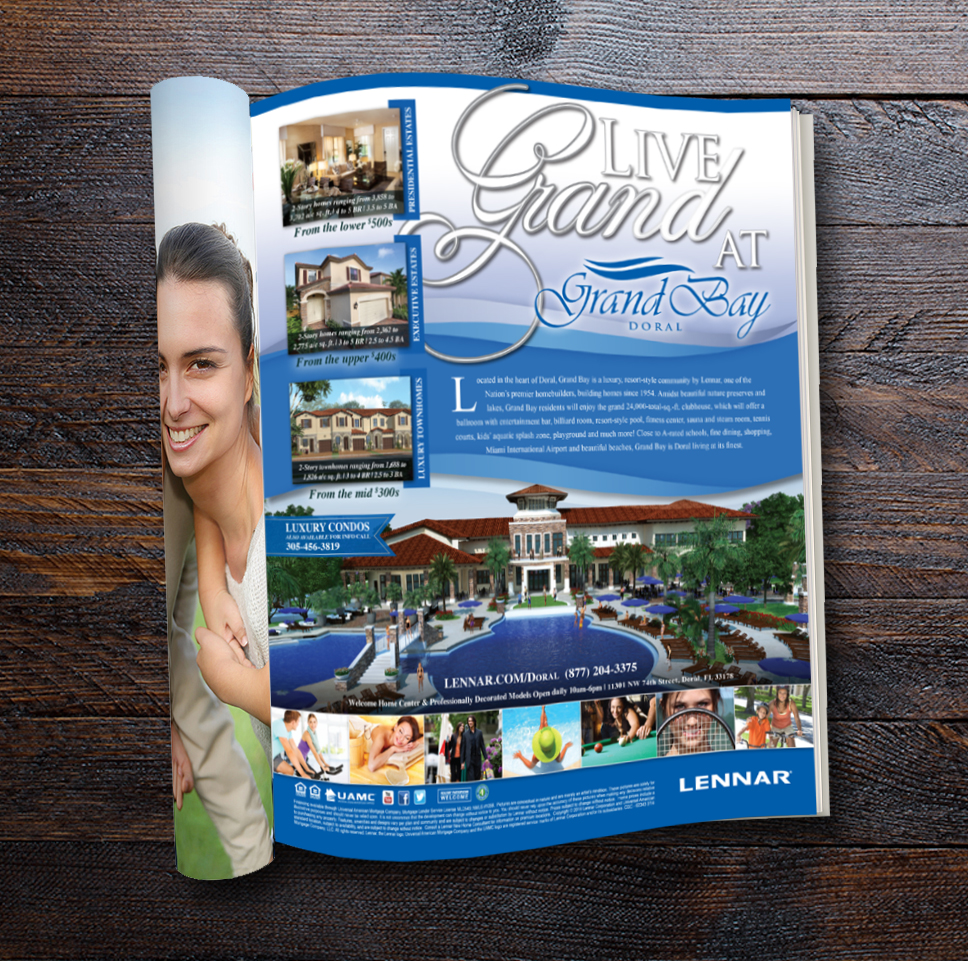
    Print media advertising is a form of mass communication strategy that uses hard copy printed mediums like newspapers, direct mail, banners, billboards, and magazines to reach consumers. The advertising industry identifies print media as one of the oldest mediums used to promote products.

    By advertising print services and brands, businesses target to attract and influence consumer buying habits.  More so, marketers use print media advertising to reach out to prospects, existing customers, businesses, and the general public.

    What Exactly Is Print Media?

    In a world where screens dominate every waking moment, print media advertising remains a powerful and trusted way to cut through the digital noise. Whether it’s a beautifully designed brochure, a bold magazine ad, or a direct mail campaign, print materials have a unique way of:

    • Capturing attention in a visually overstimulated world
    • Building credibility and trust with physical, professional designs
    • Driving stronger engagement, often outperforming digital in response rates

    According to recent industry data, print media advertising, particularly direct mail, consistently outperforms digital channels like email in response rates:

    • Direct mail averages a 4.4% response rate, while email lags behind at just 0.12% (Amra & Elma). That’s over 36 times higher.
    • Campaigns using house lists can achieve response rates up to 9%, while prospect lists average around 4.9% (Birdseye Post).
    • The Data & Marketing Association reports that direct mail response rates are 5 to 9 times higher than any other advertising channel, including email.

    These figures make one thing clear, print media advertising doesn’t just compete—it consistently delivers stronger engagement and results.

    These tactile marketing tools prove that print media advertising still packs a punch in 2025—offering brands a tangible way to stand out and stay memorable.

    But what exactly is print media, and why does it still matter today?

    Print media is a written or pictorial form of mass communication. It is mechanically or electronically generated through methods like impression or photocopying. Modern printers can now produce these communications using automated digital technology, streamlining the creation of vibrant, high-quality materials.

    At its core, print media involves the creation and distribution of news, advertising, or educational content through tangible publications—what we often call “hard copies.” These physical formats—such as newspapers, magazines, brochures, pamphlets, posters, and books—allow for a tactile experience that digital channels simply can’t replicate.

    One of the standout advantages of print media lies in its ability to capture and reproduce visuals with remarkable precision. Whether in vivid color or crisp black and white, printed images command attention and leave a lasting impression.

    Just as importantly, printed materials encourage a deeper, more personal level of interaction. Readers can:

    • Feel the texture of the paper
    • Flip through pages at their own pace
    • Highlight, annotate, or clip sections for future reference

    This sensory experience supports stronger recall and comprehension, making print a particularly effective medium for delivering important messages.

    Even as digital media continues to evolve, the availability and impact of print remains undeniable. By combining visual appeal with a physical presence, print media continues to engage a broad range of audiences—ensuring that your message is not just seen, but felt.

    Examples of Print Media

    woman reading magazine Print media advertising - Catdi printing Houston

    It is typical for printers to display print media on paper. However, printing firms may also use various substrates such as canvas, fabric, vinyl, and more. The majority of readers, advertisers, and other media users are familiar with the following examples of print media.

    Newspapers and Weeklies

    Newspapers are good examples of print media where advertisers have a wide variety of options available. The various types of newspapers include weekly, local, regional, evening, or Sunday editions.

    Who are the top consumers of newspapers? This print media attracts a wide range of readers. They include individuals with different interests such as sports, business, entertainment, fashion, politics, local and international news.

    Furthermore, newspapers sell space to advertisers who need help displaying ads in text, graphics, photographs, and other illustrations. Some advertising agencies spend a fortune to buy double-page spreads, while others pay smaller amounts for classified ads that contain text only.

    Magazines

    There are various types of magazines advertisers can use for publicizing services and brands. Trade magazines promote specific industries such as electronics, manufacturing finance, and more. Consumer magazines publicize numerous interests, including fashion, health, sport, hobbies, and current affairs.

    Other magazines focus on publications for managers and careers such as marketing professionals, engineers, human resource executives, and more.

    A majority of magazines are published weekly, monthly or quarterly. Even so, advertisers can still buy space to place adverts either in black and white or color.

    Billboards

    Billboards and posters are types of print media that allow promoters to reach consumers on the go. They are are typically large prints and graphics and are placed on the outdoors. Placing these banners in strategic positions such as near malls helps advertisers influence consumers close to the selling counters.

    Advertising agents place billboards in public places such as airports and train stations to reach larger groups of patrons. The size of these gigantic boards makes it almost impossible for anyone to miss the advert.

    Furthermore, promoters can combine digital and print to alter messages, slogans, or pictures on billboards at their set times.

    Is Print Media Still Effective in 2025?

    News, fashion, manufacturing, and other industries still rely on traditional print media advertising, even as digital platforms continue to dominate marketing budgets. While there has been a modest decline in overall print ad spend, this medium is far from obsolete—in fact, it’s experiencing a strategic comeback.

    Promoters continue to embrace print media advertising for its tangible value, longevity, and ability to drive deeper brand engagement. Unlike digital ads that vanish with a scroll or click, a well-designed brochure or flyer can linger in a customer’s hands, office, or kitchen counter—revisited multiple times. This stickiness gives print a unique edge: staying power.

    As discussed in Catdi’s detailed overview of print media advertising, print continues to shape buyer behavior. But in 2025, the conversation has evolved—print isn’t just surviving; it’s innovating.

    2025 Trends Reinventing Print Media Advertising

    One of the key drivers of print’s comeback is variable data printing, which enables personalization at scale. Businesses can now deliver tailored messaging—by name, location, or preference—making print feel more relevant and valuable to consumers.

    Another game-changer is eco-conscious branding. Sustainability is no longer a differentiator—it’s a baseline expectation. Many brands are switching to recycled paper, soy-based inks, and carbon-neutral printing processes, aligning their values with today’s environmentally aware audiences (MBA Group, EssenceMediaCom).

    Direct Mail: A Trustworthy Channel in an Oversaturated World

    Direct mail is enjoying a resurgence as audiences experience digital fatigue. With inboxes overflowing and social feeds jam-packed, something as simple as a postcard now feels refreshingly personal. Recent data shows that direct mail now commands a 9% average response rate, far exceeding the 1% (or less) seen in many digital formats (Passive Secrets).

    Latest Innovation in Print Advertising

    Tools like QR codes, near-field communication (NFC), and augmented reality (AR) are transforming static materials into interactive, trackable marketing assets that seamlessly guide consumers from paper to pixel. This shift reflects a broader evolution in marketing strategies where print is no longer a standalone tool, but a powerful amplifier when integrated with digital experiences.

    Print Advertising is Still Booming in 2025

    Retailers are recognizing this shift. While earlier studies noted that 68% of retail stores favored print for its trust and reach, modern insights show that combining print with digital strategies can boost campaign effectiveness by up to 400%. This figure has been confirmed across multiple industry reports and marketing publications, highlighting the dramatic lift in reach, engagement, and conversions when both channels are used together (SoCal News Group, McClatchy, Spartan Marketing)

    What’s more, the global print advertising market is projected to grow from $348.31 billion in 2024 to $359.53 billion by the end of 2025 (TBR Blog)., with steady growth expected into the next decade. This growth isn’t just in legacy formats like newspapers and magazines—it’s also in innovative uses like personalized direct mail, smart packaging, and loyalty-focused print campaigns that integrate with CRM and digital tracking systems.

    Not Just Print—Smart Print

    Modern print media advertising is about more than putting ink on paper. It’s about building memorable experiences through:

    • Interactive packaging
    • Personalized loyalty mailers
    • Print-to-digital hybrid campaigns
    • Direct mail that integrates with CRMs and analytics tools

    Print today is measurable, strategic, and digitally integrated—a far cry from the static formats of the past.

    The Bottom Line

    Is print dead? Not even close.

    The better question is: How are you using print media advertising in 2025?

    The most successful brands don’t see print and digital as competitors—they use them together, strategically, to increase trust, boost conversions, and meet customers where they are (offline and online). Whether it’s a QR-driven postcard or an eco-friendly flyer that doubles as a digital coupon, print is once again at the center of the marketing conversation.

    Ready to leverage print media for your next campaign?
    Get Catdi’s custom solutions here →

    Print Versus Electronic Media – 7 Differences

    1. Print media is the older channel of mass communication as compared to the electronic version, which is current and more advanced.
    2. It results through publications, while electronic media produces via a computerized medium.
    3. The traditional media requires the reader to be literate to read the information. However, literacy is not a priority to go through electronic media because consumers can watch the video or listen to the audio version.
    4. Readers pay more for print media than for electronic media subscriptions.  With print media, you only buy what you need when you need it.  You can also refer to your print at a later time. Electronic subscriptions expire after a specific duration, and you need to renew even when you may only read it once.
    5. It is easy to fully pay more attention to a print article than to an electronic medium.  Reading an online publication can be distracted by live chat pop-ups, social account messages, or even power outages.
    6. Print media is not instant or available 24/7. For example, printers produce newspapers daily, weekly, or monthly. However, electronic media is readily available “live.” You can receive news or commercial updates as they happen through your smartphone, television, or news channel.
    7. Unlike electronic media that offer large to limitless space, newspapers, magazines, billboards, and other print mediums have a limited area of coverage. 

    Which Print Media Is Best for Advertising? 

    You can decide which print media is best for promoting your brand depending on your target audience and your advertising budget. Even so, newspapers and brochures are the most preferred channels of print media. More so, these print mediums have a high rate of consumer confidence.

    Newspaper

    This print media is considered one of the best mediums of print advertising. Furthermore, newspaper ads are the oldest campaign tools recorded in the history of the industry. In 1704, Boston News-Letter published a newspaper advertisement selling real estate on Oyster Bay Long Island. 

    Since then, advertisers have continued to use print media to promote brands and services globally. More so, print is favored across all generations by the seniors and millennials.

    For example, a report by NielsenIQ shows that in the U.S, 71% of those aged 18-24 have subscribed to electronic newspaper content. However, 65% of those aged 35 and above in the same demographic read print newspapers from Sunday to Monday.

    Regardless of the statistics, this type of print media is the oldest medium for advertising. The newspapers have been a means of advertising for over a century. Businesses find daily journals less costly when compared to other alternatives like billboards, magazines, and postcards.

    Brochures

    Some promoters prefer to use brochures as the best print media for advertising. Besides the simplicity in design, brochures are informative and tell your customers about your brand or services.

    Printing brochures is less costly than other print media like magazines. More so, they cost nothing to disseminate. This print media is the best reminder you can give to your customers after a meeting. 

    Brochures continue to influence your prospects long after physical contact. Some clients find it faster to read print media than it is to visit a website. 

    Direct Mail

    Direct mail stands out as an effective and enduring tool within the realm of print media advertising. By allowing businesses to send physical marketing materials directly to the homes or offices of targeted individuals, direct mail offers a tangible touchpoint that digital channels cannot replicate.

    This form of advertising capitalizes on the personal connection and the tactile experience of receiving and interacting with a physical item. When executed with strategic precision, direct mail can yield impressive response rates and return on investment, especially when the messaging is tailored to the interests and needs of the recipient.

    Advancements in printing technologies such as digital printing and data analytics have enhanced the capability of direct mail campaigns to be both creatively captivating and highly personalized, further solidifying its place as a powerful component of any comprehensive marketing strategy.

    Benefits of Print Media

    Before stepping out to source for the best print media, promoters and businesses must scrutinize the advantages and disadvantages of using this medium. 

    Listed below are some of the benefits to consider when deciding on this medium for your advertising campaign.

    Print Ads Create Credibility and Build Trust

    According to research, the older generation of the U.S population has confidence in printed ads. They consider handheld advertisements more credible than their electronic counterparts.  More so, millennials also trust print media even though they frequently interact with digital advertising.

    Consumer and market research indicates that 60% of interviewed respondents showed confidence in newspapers while 58% preferred magazines. Consumers trust print media more than electronic media because the internet contains high levels of misleading information. 

    The public tends to believe that print media originates from a reputable source or company. More so, effective flyer print marketing can help drive traffic to your website to create conversions and brand awareness.

    Findings from Nielson IQ indicate that the top 5 most trusted mediums by the public include TV ads, newspaper ads, magazine ads, billboards, and radio ads

    High Conversion Rates

    As indicated in a report by the Chief Marketing Officer (CMO) council, about 80% of consumers respond to direct mail ads. This rate is higher than that of shoppers who react to email ads. 

    The high response rate experienced in direct mail is why print marketing is more costly than digital marketing. Other print media types such as banners, newspaper ads, brochures, and business cards trigger the same consumer response as direct mail.

    Print Helps You Reach Your Ideal Audience

    Marketers know that placing ads in print media such as magazines, newspapers, and brochures can help reach your target market or the general public. 

    Promoters take advantage of the population tally to strategically place adverts in the right place in front of the ideal audience.

    Take the example of a physical fitness service provider.  A marketer will reach out to sportspeople and individuals who need to stay physically fit by placing an advert on the sports page.

    Flexibility

    It is the best advertising medium to use when you need to target a specific audience. Print media allows you to choose which section of magazine or newspaper your intended group is likely to read.

    This channel of mass communication is not only strategic.  But have digital copies, which give marketers more opportunity to reach a wider audience.

    Establishes Your Brand

    You can reach your target audience by promoting your brand in print media such as magazines, publications, newspapers, and brochures. Printed substrates allow marketers to bring the aesthetic attributes of color, font, texture, and images that help form brand recognition.

    Durability

    Magazines, brochures, publications, and other print mediums are tangible or hard copy. These items last longer in workplaces and residences, unlike the electronic versions that readers can delete, ignore, or skip with ease.

    Readers are likely to keep magazines for a long time and possibly revisit ads more than once or twice.

    Substantial Attention Span

    Reading from a mobile phone screen is often distracted by pop-up messages or incoming calls. However, consumers consider magazines and newspapers a better medium to read ads because one can focus without being distracted by notifications. 

    Disadvantages of Print Media

    Pay for Your Target Market

    High-caliber magazines feature glossy covers, top-notch writers, seasoned photographers, and standout design—all of which come at a price. Advertisers pay premium rates for this level of professionalism and production quality. For example, the average cost to reach 1,000 people with print is over $22, compared to just $3–$10 for digital ads. This makes print a costly option, especially for small businesses with limited marketing budgets. However, the investment ensures your message reaches a more refined and targeted audience.

    Timing and Flexibility

    Print advertising is inherently slower than digital. Campaigns must be planned well in advance, with content finalized weeks—or even months—before it ever reaches the public. Once an ad goes to print, there’s no opportunity to make edits, respond to current events, or adjust based on feedback. In contrast, digital campaigns can be launched, tested, paused, and optimized in real time. For businesses needing to pivot quickly, print lacks the flexibility today’s fast-paced market often demands.

    Decreased Popularity and Reach

    The shift toward digital communication continues to accelerate, with more consumers subscribing to email newsletters, mobile updates, and social feeds for instant information. Digital content is also far more shareable, expanding its reach organically through social platforms. As a result, print media is experiencing a decline in popularity, especially among younger, tech-savvy consumers.

    That said, print still holds value for specific demographics—particularly older generations such as Baby Boomers, who continue to trust and engage with physical publications. This makes print useful for brands catering to that audience, though overall, it’s becoming harder to reach large-scale audiences through print alone.

    Limited Placement Control

    Unlike digital platforms, where ads can be precisely placed by behavior, location, and demographic data, print offers far less control over placement. An ad may appear in a section of a publication that doesn’t resonate with the reader, reducing its effectiveness.

    Measurement Challenges

    One of the biggest drawbacks of print is tracking. While QR codes and unique promo codes have helped bridge the gap, print still lacks the advanced analytics that digital marketing offers—such as click-through rates, conversion tracking, and user behavior insights. This makes it harder to gauge ROI and refine future campaigns.

    Risk of Human Error

    In the digital space, a typo can be quickly corrected. In print, a single error—whether it’s a misspelled word, incorrect phone number, or layout flaw—can become a costly mistake once distributed. There’s no backspace button after the presses roll.

    Creative Limitations

    Though print offers a unique tactile experience, color reproduction and design capabilities can be limited. Certain effects—like animations, dynamic content, or precise brand color matching—are easier to achieve in digital environments. This can restrict creativity for brands that rely heavily on strong visual identity.

    A Balanced Perspective

    Despite these disadvantages, print media is far from obsolete. It offers tangible benefits like credibility, longevity, and physical presence—qualities that digital ads sometimes lack. In 2025, the most effective marketers are those who balance the reach and agility of digital with the trust and impact of print, aligning each medium with the right audience and message.

    Conclusion

    Print media advertising is the oldest means of marketing that businesses have used to promote their brands. Newspaper ads date back to 1708 and are still here today, but better, bolder, colorful, and on point. Today, with state-of-the-art technology, the print industry is more advanced and vibrant.

    More so, printers print media ads on a variety of substrates such as photo paper, fabric, canvas, vinyl, and more. Today, advertisers display adverts on numerous mediums such as billboards, flyers, brochures, business cards, postcards, door hangers, letterheads, envelopes, wrappers, and more.

    Print media influences consumer habits in more ways than compared to electronic media. Finally, print is still the best way to grow your brand awareness. And you can trust that by advertising through this industry, your brand or service can move to the next level.


  • What is Direct Marketing? A Guide for Small Businesses

    What is Direct Marketing? A Guide for Small Businesses

    Hey there, business owners! Carlos Alonso here. You might know me as one of the founders of Catdi Printing—where my caffeine intake fuels more than just high-quality print marketing materials! Today, I’m here to guide you through direct marketing, one of the most effective ways to reach customers and grow your business. Direct marketing is all about delivering a clear marketing message to your audience. connecting with your audience personally, tracking results, and adjusting your approach based on what works. Let’s jump in and explore direct mail, print collateral, and other powerful direct marketing tools that can help take your business to new heights.

    What is Direct Marketing?

    Direct marketing is all about delivering targeted messages directly to your audience without relying on third-party channels. This means reaching your customers through mail, email, SMS, or online ads, giving you complete control over the message, timing, and customer experience. For small businesses, direct marketing can be especially powerful because it’s measurable, customizable, and helps you reach specific customer groups. Direct marketing campaigns have clear goals—whether it’s promoting a product, encouraging sales, or generating leads. And unlike broader forms of marketing, you can track responses, analyze results, and refine your approach for maximum return on investment (ROI). Let’s dive into some of the best direct marketing methods, starting with one of my favorites (and no, it’s not coffee): direct mail and print media advertising.

    Direct Mail is a type of direct marketing that can effectively reach your target audience.: A Classic Choice with Modern Power

    Direct mail may sound old-school, but trust me, it’s still a powerhouse! This form of direct marketing has proven effective for small businesses because it’s Tangible, memorable, and has a high engagement rate, direct response marketing can significantly boost your campaign’s effectiveness.. Here’s why direct mail should be at the top of your marketing toolkit:

    • High ROI: Direct mail boasts one of the highest ROIs in marketing, often outperforming digital channels. People trust mail more than many digital ads, which translates to higher response rates and a stronger connection with your brand.
    • Clear Conversion Tracking: Use tools like unique URLs, QR codes, and special offer codes to track how many customers respond to your direct mail campaigns. Curious about the benefits of different types of direct mail? Check out our guide on EDDM vs. Direct Mail Saturation Rates for the details.
    • Ideal for Targeted Campaigns: Direct mail lets you segment your audience based on location, interests, purchasing history, or demographics. Tailoring your message to each group ensures you’re speaking directly to their needs, making your campaign more effective.

    Pro Tip: Include print collateral, like brochures or postcards, that showcase your brand’s story or highlight a promotional seasonal promotion. These items stay in the hands of customers longer, giving your message lasting power.

    Whether you’re sending postcards, flyers, or coupons, direct mail gets you literally “in the hands” of your customers. It’s a fantastic way to build connections and stand out from the crowd through effective marketing materials.

    Other Effective Direct Marketing Options

    While direct mail is amazing, there are other direct marketing channels that work wonders too. Here are some options that can complement your direct mail efforts and expand your reach.

    1. Email Marketing

    Email marketing is versatile and budget-friendly, perfect for small businesses. With email, you can reach a large audience while still adding that personal touch. It’s great for newsletters, product announcements, and special offers. Plus, you can utilize various types of direct marketing strategies to enhance your outreach.

    • Reach customers instantly
    • Track opens, clicks, and conversions to measure the effectiveness of your direct response marketing efforts.
    • Segment audiences for targeted messaging

    Make sure your emails offer value to keep your readers engaged and connected with your brand.

    2. SMS Marketing

    With sky-high open rates, SMS marketing is ideal for urgent updates, flash sales, and appointment reminders, making it a powerful direct response tool. Just remember to get permission first! This approach works best when messages are short, direct, and offer immediate value to your customers.

    3. Social Media Ads

    Platforms like Facebook, Instagram, and LinkedIn offer precise targeting for direct marketing. With social media ads, you can reach your ideal audience based on interests and behaviors, with ads that link directly to your site or landing pages.

    4. Pay-Per-Click (PPC) Advertising

    PPC ads on search engines, like Google Ads, are ideal for driving traffic to your website and enhancing your marketing message. PPC lets you target keywords relevant to your business, reaching customers actively searching for products or services like yours.

    5. Door Hangers and Flyers

    For local businesses, printed materials like door hangers and flyers are tried-and-true methods. They’re great for neighborhood marketing And direct selling strategies are ideal for reaching nearby customers. Real estate agents, cleaning services, and home improvement companies can benefit from this approach by reaching customers right on their doorstep.

    Pro Tip: Combine print collateral with digital offers. For example, include a flyer with a QR code linking to an online discount or free download—bridging print and digital marketing for greater impact.

    Why Direct Marketing Works for Small Businesses

    Direct marketing is a game-changer for small businesses, offering a way to connect with customers on a personal level and inspire real action. By speaking directly to your target audience with clear calls to action (CTAs) in every message, direct marketing encourages customers to respond immediately—whether they’re visiting your store, requesting a quote, or signing up for your newsletter.

    Here’s why direct marketing is so effective for small businesses:

    • Immediate Responses: With direct marketing, clear CTAs lead customers to take quick action, like visiting your store, calling for a quote, or engaging with your website.
    • Easily Trackable Results: Direct marketing provides measurable outcomes. Track responses from specific campaigns—like postcard mailers or email clicks—and gain insights into what works for your audience.
    • Budget-Friendly and Scalable: Direct marketing fits both small and large budgets. Start small with targeted mail or digital ads, and easily scale up as your business grows.
    • Tailored for Key Industries:
      • Healthcare: Keep patients informed about new services, upcoming appointments, or health tips through personalized mail or emails.
      • Political Campaigns: Reach voters effectively with personalized messaging during election season through targeted mail, encouraging engagement and awareness.
    • Customizable Campaigns: Direct marketing allows you to tailor your approach. Adjust your messaging, design, and offers to appeal directly to your ideal audience.

    Direct marketing’s flexibility, affordability, and ability to foster meaningful connections make it an ideal choice for small businesses seeking growth, engagement, and brand loyalty.

    Getting Started with Direct Marketing

    Starting a direct marketing campaign is simpler than it might seem. First, define your goal, whether it’s increasing brand awareness, driving sales, or generating leads. Next, choose the marketing channels that best align with your audience. For example, if you want to reach local customers, consider direct mail or door hangers. If you’re targeting a younger audience, email or social media ads might be a better fit than traditional indirect marketing methods. Finally, track your results. Use unique codes, links, or other tracking methods to measure success. Direct marketing thrives on data, so use what you learn to improve your strategy and achieve even better results next time.

    How Catdi Printing’s Direct Marketing Services Can Work for You

    Direct marketing offers powerful tools for small businesses to connect with customers directly. From direct mail to digital options like email and SMS, these methods help you reach your audience and inspire action. Remember, the key to successful direct marketing is to keep your messaging clear, targeted, and valuable. If you’re ready to get started, Catdi Printing can help bring your direct mail campaigns to life. With options like postcards, EDDM, and more, we’re here to support you with a custom campaign that drives results. Let’s work together to make your marketing strategy a success—and maybe I’ll even share my secret coffee blend to keep those creative ideas flowing!

  • Your Trusted Texas HUB-Certified Printer

    Your Trusted Texas HUB-Certified Printer

    Partner with Catdi Printing: Your Texas HUB-Certified Solution for Quality Printing Services

    In today’s business landscape, many organizations are increasingly committed to partnering with HUB-certified vendors are essential for businesses looking to engage with the Texas government effectively. to meet diversity and procurement goals. As a proud Texas HUB-certified printer, Catdi Printing provides high-quality printing solutions tailored to meet the needs of large corporations and small businesses across Texas.

    Whether you’re a significant enterprise, government agency, or small local business, working with Catdi Printing means aligning with a certified HUB vendor that prioritizes quality, compliance, and community impact. Here’s what our HUB certification means—and how we can help your business connect with a trusted partner dedicated to serving Texas.

    View our HUB Certification


    What is HUB Certification, and Why Partner with a HUB-Certified Printer?

    The Historically Underutilized Business (HUB) Program was established by the State of Texas to support businesses owned by minorities, women, and economically disadvantaged individuals. Certification under the Texas HUB program ensures that these businesses meet the state’s high standards for quality, accountability, and commitment to community impact.

    As a HUB-certified vendor, Catdi Printing is proud to contribute to Texas’s goals of fostering diversity, inclusivity, and economic growth. Our certification guarantees that we meet rigorous state requirements, making us a trusted, compliant partner for companies of all sizes who wish to meet HUB procurement guidelines.

    Why It Matters: For companies and organizations committed to diversity and inclusion, partnering with a HUB-certified vendor like Catdi Printing offers a meaningful opportunity to support community growth while accessing reliable, high-quality services from Texas certified HUB vendors.


    How Catdi Printing Supports Your Business Needs as a HUB-Certified Vendor

    Working with Catdi Printing provides your business with much more than just print services. Our HUB certification opens the door to streamlined compliance with procurement guidelines and ensures that every project is backed by our commitment to quality, reliability, and customer satisfaction. Catdi Printing is proudly based in Houston, Texas, but our reach extends to businesses throughout the state. With the resources and capabilities to handle projects of any size, we provide seamless, high-quality printing services to clients across Texas, ensuring that companies statewide can access reliable, HUB-certified solutions for their print and design needs.

    1. Quality Printing Solutions for Large and Small Businesses
    Catdi Printing offers a full suite of printing services for projects of all scopes and sizes. Whether you need business cards, brochures, direct mail, or custom signage, our capabilities cover everything from design to delivery. We provide companies with a seamless experience that meets both their branding needs and HUB certification requirements.

    2. Expertise in Compliance and State Regulations
    Our team is well-versed in the standards required by the Texas HUB program and the Texas Comptroller of Public Accounts. This knowledge helps us guide companies in adhering to state regulations, making Catdi Printing a valuable partner for projects requiring HUB compliance. By working with us, businesses can confidently report their use of certified HUB vendors, knowing they’re meeting state standards.

    3. Supporting Texas Businesses
    At Catdi Printing, we are dedicated to supporting the Texas business community. By choosing a HUB-certified vendor like us, you’re not only accessing top-tier printing services but also contributing to local economic development. This partnership reinforces your commitment to local business growth and to fostering diversity in the supply chain.


    Why Choose Catdi Printing as Your HUB-Certified Partner?

    1. Simplified Procurement for Large Enterprises and Government Contracts
    For large corporations, government agencies, and institutions, meeting diversity and procurement requirements is often a complex process. Partnering with Catdi Printing simplifies your search for a Texas HUB-certified printer while ensuring that you’re working with a compliant, experienced provider. Our services make it easier for businesses to meet HUB program goals and fulfill internal diversity initiatives.

    2. Flexible, Scalable Solutions for Small Businesses
    Small businesses seeking a certified vendor will find a trusted partner in Catdi Printing. We offer flexible services that cater to your budget, project size, and specific requirements. Whether you’re looking for affordable print options, custom designs, or unique branding materials, Catdi Printing provides solutions tailored to your needs—all with the backing of our HUB certification.

    3. Commitment to Excellence and Sustainability
    Catdi Printing goes beyond compliance, integrating sustainable practices and high standards into every project. From eco-friendly inks to recycled paper options, we align our processes with green values that many Texas businesses appreciate. Our clients trust us to deliver both quality and environmental responsibility, adding value to every partnership.


    How We Can Help Connect You with Certified HUB Vendors

    In addition to our own services, Catdi Printing can help you identify and connect with other HUB-certified vendors, strengthening your network of Texas-based, certified partners. For businesses aiming to maximize their impact and fulfill state or corporate requirements, working with a HUB-certified network provides the dual benefit of high-quality services and social responsibility.


    Ready to Partner with a Texas HUB-Certified Printer?

    For companies dedicated to quality, compliance, and supporting local businesses, Catdi Printing is your go-to HUB-certified partner. From printing solutions tailored to your brand to support in achieving procurement goals, we’re here to help you every step of the way.

    Let’s Make an Impact Together: Reach out to Catdi Printing today to discuss your printing needs, connect with a certified Texas HUB vendor, and take the next step in building a meaningful, compliant partnership.

  • How Much Do You Pay Someone to Design a Website?

    How Much Do You Pay Someone to Design a Website?

    Web design can seem intimidating, especially for those just starting out. Yet, with the right guidance, even beginners can create websites that are both visually appealing and user-friendly. Your website is often the first impression visitors have of your brand or business, so creating a professional, welcoming space is essential. Luckily, web design has foundational principles that help newcomers achieve a polished look and smooth functionality, even with limited experience. For more insights into the cost of hiring a professional, check out Catdi Printing’s guide on website design pricing. Whether you’re building a website for personal use or launching one for a business, these seven essential tips will help you create a site that attracts users, communicates effectively, and encourages meaningful engagement. Let’s dive into the basics of web design and discover how to set up a site that impresses from the start.

    Understanding Website Design Costs

    Here at Catdi Printing, we understand that website design is not a one-size-fits-all service. Factors such as the type of website, its functionality, and the skills required from the designer or agency can all influence the final cost. From DIY platforms to high-end agencies, let’s explore how these different options shape the price. This is why we offer various tiers to fit most of the budgetary needs of small and medium-sized businesses.

    Why Website Design Costs Vary

    When considering how much you’ll pay to design a website, it’s essential to understand the cost-driving factors. Knowing what goes into a site’s design will not only help you set a realistic budget but will also ensure that you get the most value for your investment.

    Complexity and Features

    One of the primary determinants of cost is the complexity of the website. A basic informational site with a few pages is much simpler—and therefore cheaper—to design than a complex e-commerce or membership site that requires custom features and user accounts. If your site needs special functionalities, such as appointment booking systems, e-commerce integration, or custom content management systems, expect the cost to rise.

    Quality and Uniqueness of Design

    While some businesses are fine with pre-made themes, others seek a custom-designed website that aligns perfectly with their brand. Custom designs allow a more unique look and feel but are generally more expensive than template-based designs. Custom websites crafted by experienced agencies, use custom WordPress solutions, and tend to deliver a high-end, professional aesthetic that’s distinctively tailored to the client.

    Who Designs Your Website Matters

    The expertise and experience of the person or team designing your website play a significant role in the cost. From DIY platforms to hiring a professional agency, each option has its advantages, pricing, and limitations.

    Typical Price Ranges for Website Design

    Website design services can be broadly categorized based on budget and complexity. Let’s explore the general price ranges you can expect in the current market.

    DIY Website Builders: $0 – $300

    For those looking to keep costs minimal, DIY website builders such as Wix, Squarespace, or even WordPress offer affordable options. These platforms allow you to create a basic website by using pre-made templates. While cost-effective, DIY solutions often lack the level of customization and professionalism that a business site demands.

    Freelance Designers: $500 – $5,000+

    Freelancers offer a middle-ground option for small business owners looking for more customization without the higher costs associated with agencies. Freelance pricing varies widely based on the designer’s experience and project complexity. However, working with a freelancer might lack the accountability and long-term support offered by an agency.

    Small to Medium Agencies: $3,000 – $15,000+

    Small to medium agencies provide a team approach to design, typically including project managers, designers, and developers. They often deliver custom solutions that are well-optimized for SEO and user experience, which is crucial for a business’s online presence. We offer tailored web design packages that cater to different business needs, from informative small business sites to comprehensive e-commerce platforms.

    Large Agencies or Complex Projects: $20,000 – $100,000+

    At the top of the pricing spectrum are large agencies that handle complex, enterprise-level projects. This price range is often necessary for companies needing custom web applications, high-level security features, and seamless integration with existing business software. Such projects require extensive planning and collaboration, making them a significant investment for established businesses.

    Factors That Impact Website Design Costs

    When evaluating website design costs, it’s essential to consider various factors that influence the final price tag. Let’s break down the key elements that contribute to the cost and help you understand where your investment is going.

    1. Project Scope and Requirements

    The scope of a website project can vary greatly depending on the number of pages, types of features, and depth of content. For example, an e-commerce site with hundreds of products, customer accounts, and payment gateways will require significantly more work than a basic informational website. Every additional feature, such as social media integration or an online booking system, can increase the overall cost.

    2. Design Quality and Branding Needs

    If you want a unique, high-quality website that reflects your brand, you’ll likely need a custom design. This option is more expensive than using pre-made templates but ensures that your website stands out. For instance, companies looking for a cohesive brand experience may choose an agency specializing in custom WordPress websites for maximum flexibility and alignment with their brand identity.

    3. Content Development and SEO Integration

    While some businesses may already have well-crafted content, others might need a professional touch to develop engaging copy. Professional content writers or SEO specialists can make a substantial difference in your website’s performance, helping it rank better on search engines. Most design companies offer basic SEO as part of their web design services, ensuring your site not only looks good but also performs well in search results.

    4. Developer Expertise and Experience Level

    The expertise and experience of the developer or agency can also influence the price. A highly skilled developer or designer brings advanced knowledge and skills to the project, such as in-depth understanding of user experience (UX) and advanced coding techniques. While experienced professionals might charge more, they often provide better results that can benefit your business long-term.

    5. Mobile Responsiveness and Cross-Browser Compatibility

    With more users browsing on mobile devices, having a responsive, mobile-friendly design is essential. Developers must ensure the site functions seamlessly across various devices and browsers, a factor that adds to the project’s complexity. A design that’s fully responsive and cross-browser compatible may cost more upfront but provides a seamless experience for all users.

    6. Additional Features and Integrations

    Depending on your business needs, you may require additional integrations, such as email marketing platforms, CRM systems, or inventory management tools. Each of these features adds time and cost to the project, so it’s essential to discuss your requirements upfront. Catdi Printing, for example, is known for offering web design solutions that incorporate direct mail and printing options for a fully integrated marketing approach, giving businesses a competitive edge in both digital and print spaces.

    Pros and Cons of DIY vs. Hiring a Professional

    Once you have an understanding of the factors impacting costs, the next question becomes: should you build your website yourself or hire a professional? Let’s look at the pros and cons of each option.

    DIY Website Design: The Affordable but Limited Approach

    Pros

    • Low Cost: DIY website builders like Wix and Squarespace are budget-friendly.
    • Quick SetupMany templates are drag-and-drop, making it easy to make a website quickly.
    • Control Over Edits is essential for effective website maintenance.You have control over updates and minor adjustments to your business website.

    Cons

    • Limited Customization: DIY options often lack the flexibility to create unique, branded designs.
    • Lower SEO Performance: DIY platforms are not always optimized for SEO, which could affect your site’s ranking.
    • Creating a custom website can be time-consuming but is worth the investment.: Even with templates, building a website requires a significant time investment.

    Hiring a Professional: Higher Cost, Higher Quality

    Pros

    • Customization: Professionals can create custom designs aligned with your brand.
    • SEO Optimization: Many agencies offer SEO-optimized designs, boosting your site’s search performance.
    • Advanced Features: Professionals can integrate complex functionalities such as e-commerce, booking systems, and CRM integrations.

    Cons

    • Higher Cost: Professional services are generally more expensive.
    • Dependency on a web designer can increase the overall cost to build your website.: You may need ongoing support from the designer for updates and changes.

    Choosing the Right Web Design Service for Your Business

    With a wide range of options available, how do you choose the best web design service for your business? Here are some key considerations to help guide your decision on the average cost of a business website.

    Define Your Budget

    Understanding your budget is crucial when selecting a web design service. Are you looking for a simple, functional website to showcase your portfolio, or do you need an extensive e-commerce platform? Clarifying your needs can help you decide whether a DIY solution, freelancer, or agency is the best fit.

    Identify Your Business Needs

    Consider your business goals and how your website will support them. Do you need a website that allows users to book appointments or make purchases online? Or do you want a site that highlights your portfolio and encourages users to contact you? Identifying these requirements will help you communicate clearly with designers and ensure they understand your project scope.

    Research Potential Web Design Partners

    Take the time to research potential web design partners and their portfolios. Look for examples of their previous work and see if their style aligns with your brand. For example, Catdi Printing offers a range of web design services suited to various industries, providing businesses with an extensive online presence that integrates smoothly with print marketing needs.

    Consider the Long-Term Value of Professional Design

    Investing in a professional web design is a strategic decision that can pay off in the long run. A well-designed, user-friendly website can attract more customers, improve search rankings, and strengthen your brand image. While the upfront cost may be higher, the return on investment (ROI) from a professional design can often outweigh the initial expense.

    Additional Costs to Consider Beyond Website Design

    When budgeting for a website, it’s essential to consider other costs beyond the initial design. While a professionally designed site can provide a strong foundation, there are several ongoing and additional expenses to keep in mind for maintaining and growing your online presence.

    1. Domain and Hosting Fees

    Most websites require both a domain name and web hosting. Domain names typically cost between $10 and $50 per year, depending on the domain’s popularity and provider. Web hosting costs vary, ranging from a few dollars per month for basic plans to hundreds for dedicated servers. It’s important to choose a hosting provider that offers good uptime, speed, and customer support to ensure your site remains accessible and performs well.

    2. Ongoing Maintenance and Updates

    Websites require regular updates and maintenance to keep them secure and functioning smoothly. This includes updating plugins, fixing bugs, and ensuring compatibility with the latest web browsers and devices. While some small business owners may handle minor updates themselves, larger businesses may benefit from a maintenance plan provided by their web design agency or a separate provider.

    3. Search Engine Optimization (SEO)

    If you want your website to rank well on search engines, SEO is a must, and it can impact the overall cost to build your site. Many design agencies, including Catdi Printing’s Houston-based services include competitive pricing for custom website solutions., offer SEO as an add-on to their web design packages, ensuring your site is optimized from day one. Ongoing SEO efforts, such as content updates, backlinking, and performance optimization, can improve your site’s ranking over time, but these services often come with a monthly or project-based fee.

    4. Content Creation and Updates

    A successful website is rarely static; regular content updates keep your audience engaged and support SEO. From blog posts to product descriptions, having fresh, relevant content helps improve your site’s visibility and provides value to your audience. Content creation can be handled in-house or outsourced to a professional content writer, with costs varying based on the length and frequency of updates.

    5. E-commerce Functionality and Payment Processing

    For businesses with online stores, e-commerce functionality adds an extra layer of complexity and cost. In addition to integrating payment processors, e-commerce websites often need product catalog management, inventory tracking, and secure payment gateways. Payment processing fees also apply to each transaction, with rates typically around 2-3% of the sale.

    Calculating the Return on Investment (ROI) of Website Design

    Investing in website design isn’t just about creating a digital space; it’s about generating value for your business. A well-designed website can drive conversions, build brand loyalty, and enhance customer experience, which all contribute to a positive return on investment.

    Evaluating the Benefits of Professional Design

    Professional design can enhance user engagement by providing an intuitive, aesthetically pleasing experience. Visitors are more likely to trust and engage with a polished and professional business website, and this trust can translate into more leads or sales. Additionally, sites that are SEO-friendly have better chances of attracting organic traffic, helping your business reach a broader audience without paying for ads, which can lower your overall website cost.

    Measuring ROI Through Analytics

    After launching your website, tracking key metrics such as user engagement, bounce rate, and conversion rate is essential for measuring ROI. These insights help determine whether the site effectively meets your goals and identifies areas for improvement. Google Analytics, for instance, provides detailed metrics on how visitors interact with your site, allowing you to assess the impact of professional design on your business outcomes.

    Making the Most of Your Website Investment

    To maximize your website investment, consider it as part of a broader marketing strategy rather than a standalone project. Integrating digital marketing efforts, such as SEO, email marketing, and social media, can help drive traffic to your site and improve its performance over time.

    Aligning Website Design with Business Goals

    Whether you’re a startup or an established business, your website should align with your broader business goals. For instance, if your goal is lead generation, focus on creating clear calls-to-action (CTAs) and easy-to-navigate pages that guide users toward contacting you or making a purchase.

    Leveraging Multi-Channel Marketing

    Combining your website with other marketing channels, like social media and print marketing, can increase brand visibility and engagement. As a company experienced in both digital and print services, Catdi Printing can provide a holistic approach to website maintenance, allowing businesses to create a cohesive strategy that spans both web and print.

    Final Thoughts: Finding the Right Balance Between Cost and Value

    The average cost of website design varies widely based on project complexity, design quality, and functionality requirements. While it’s tempting to opt for the cheapest option, investing in a professional, well-designed website often pays off in the long run through better user engagement, SEO, and business growth.

    Choosing the right web design partner is crucial, as this decision impacts both the look and performance of your site. Partnering with a reputable agency like Catdi Printing ensures that your site is visually appealing and built with business growth in mind, offering a range of design options tailored to meet various budgets and needs.

    Closing Thoughts on Website Design Costs

    Investing in a quality website is a significant decision, but one that can bring immense value to your business. By understanding the factors influencing costs and carefully choosing a design partner, you can create a website that not only represents your brand but also drives meaningful results. In today’s competitive market, a professionally designed website is more than just a digital asset—it’s an essential part of your business’s success.

  • Scaling Your Printing Business Through Smart Financial Planning  

    Scaling Your Printing Business Through Smart Financial Planning  

    Running a print business is exciting, but growing it can be a real challenge. Many print shop owners have big dreams for expansion but struggle with the financial side of scaling up. The good news? Smart financial planning can be your secret to success.   

    In this article, you’ll explore practical financial strategies to grow your printing business. Read on to scale your business for long-term financial success!  

    Understand Your Current Financial Position  

    Before you can plan for growth, you need a clear understanding of your current financial situation. This means reviewing financial statements such as your balance sheet, profit and loss statement, and cash flow statement. These documents give you a snapshot of your company’s financial health and help identify areas that may need improvement.  

    To understand your current financial planning, start by assessing your revenue streams. Where is your income coming from? Are there services or products that generate more profit than others? Knowing which areas of your business are the most profitable allows you to focus on scaling them.   

    Additionally, evaluate your expenses. Are there any unnecessary costs that you can cut? Reducing waste and improving operational efficiency can free up cash that you can reinvest into your growth initiatives.  

    Understanding your financial position also means knowing your liabilities. Debt management is crucial when scaling a business. If you have loans or outstanding payments, make sure they’re manageable. High-interest debt can hinder growth, so addressing these obligations is an essential step in innovative financial planning.   

    To get a more comprehensive view of your financial future, consider creating financial projections. These forecasts can help you anticipate future revenue, expenses, and cash flow based on historical data and market trends. This way, you can better plan for upcoming investments, identify potential cash flow issues, and set achievable growth objectives.

    Develop a Comprehensive Budget   

    A well-thought-out budget is the secret of any successful financial plan. To scale your printing business, you need to create a comprehensive budget that outlines your income, expenses, and financial goals. This budget will act as a roadmap, guiding your business toward growth while ensuring you spend your money wisely.  

    Be realistic when setting your business budget. Whether you want to expand your product line, invest in new printing equipment, or open a new location, having specific objectives will help you allocate resources appropriately. Also, make sure you include both short-term and long-term financial goals in your budget.  

    Once you define your financial goals, break down the anticipated expenses. This includes fixed costs like rent, utilities, and salaries, variable costs like printing materials and marketing expenses, and one-time expenses, such as purchasing new equipment or launching a marketing campaign.  

    Your budget should also account for unexpected costs. Set aside a portion of your funds for emergencies so that your business can handle unforeseen challenges without derailing your growth plans. Most importantly, regularly review and adjust your budget based on actual financial performance to stay on track.   

    Invest in Technology and Automation  

    Scaling your business may require increasing your capacity to handle more orders and clients. For printing businesses, investing in technology and automation can improve efficiency and reduce operational costs. Automating routine tasks and streamlining workflows will allow you to take on more work without overburdening your staff.   

    Make sure you evaluate your current tech setup before investing. Are there areas where you can introduce automation to save time or reduce errors? For example, implementing an online ordering system can simplify the process for customers and reduce manual entry errors.

    Another area where technology can make a big impact is in your accounting and financial management. Using accounting software to track expenses, generate invoices, and monitor cash flow will save you time and provide real-time insights into your financial performance. This allows you to make informed decisions quickly, which is crucial when scaling your business.

    Diversify Your Revenue Streams   

    AdobeStock_136295998 (1).jpg

    One of the smartest financial strategies for scaling your printing business is to diversify your revenue streams. Relying on just one type of service or product can leave your business vulnerable to market fluctuations. Offering a variety of printing services allows you to attract a broader range of clients and create multiple sources of income.  

    For instance, if your business specializes in printing business cards, consider expanding into complementary services like designing customized business card templates, printing other stationery items such as letterheads or brochures, or even offering premium finishes like embossing and foil stamping.  

    In addition to expanding your service offerings, explore new customer segments. Can you market your services to businesses, schools, or local government offices? Building relationships with different types of clients will provide a more stable revenue base and reduce the impact of any downturns in a specific industry.   

    Manage Cash Flow Carefully   

    Cash flow is the lifeblood of any business, especially when scaling. Growing your printing business will likely require upfront investments in equipment, marketing, or staffing, which can strain your cash flow if you don’t manage it properly. Smart financial planning involves keeping a close eye on cash flow and ensuring you have enough liquidity to cover day-to-day operations.  

    To improve cash flow, start by tightening up your invoicing process. Make sure you send out invoices on time and set clear payment terms for clients. Offering incentives for early payments or implementing late fees for overdue invoices can also encourage timely payments.   

    Additionally, consider setting up a line of credit with your bank to provide a cushion for times when cash flow is tight. This can be especially helpful during slower seasons when sales may dip, but operational expenses remain the same.  

    It’s also vital to manage your accounts payable carefully. Negotiate favorable terms with suppliers to extend payment deadlines where possible. This gives you more flexibility to manage cash flow while continuing to invest in growth initiatives.  

    Explore Financing Options for Growth   

    You may need some additional capital to scale your business, and for many printing businesses, accessing external financing is a smart way to fund growth. Whether you need to purchase new equipment, hire additional staff, or expand into a new market, there are several financing options available to support your business.  

    Traditional bank loans are the common choice for many business owners. These loans typically offer lower interest rates and longer repayment terms, making them ideal for larger investments like purchasing printing equipment. However, qualifying for a traditional loan may require a strong credit history and collateral.   

    If traditional loans aren’t an option, consider alternative financing options such as business lines of credit, equipment leasing, or merchant cash advances. Each option has pros and cons, so it’s crucial to evaluate which financing method best suits your business needs and financial situation.  

    Also, pay attention to the possibility of government grants or incentives for small businesses. If your printing business offers eco-friendly solutions or supports local employment, you stand a chance of accessing these grants. So, research available programs in your area to see if your business qualifies for any additional funding.   

    Conclusion   

    Scaling your printing business through thoughtful financial planning is an ongoing journey. It requires a blend of careful analysis, strategic thinking, and decisive action. With the above strategies, you can position your printing company for long-term financial success. Remember, every printing business is unique, and what works for one may not work for another. The key is to stay flexible and adaptable. Regularly review your financial strategies and be prepared to adjust your plans as market conditions change or new opportunities arise.  

  • Top Alternatives to UPS Printing Services for You

    Top Alternatives to UPS Printing Services for You

    UPS is known for its vast print center network in the U.S. They offer many printing solutions for both businesses and individuals. They seem to be the go-to choice for business professionals as they traverse the US. But for savvy businesses and individuals, there are other quality choices if you want to save money, get specific services, or more options.

    We’ll show you the best alternatives to UPS for printing. You’ll learn about other brands like Staples and Kinko’s. We’ll also tell you about unique companies like Staples, FedEx Kinkos and Catdi Printing. So get ready to find the perfect place for all your printing needs!

    Exploring Options Beyond UPS Printing Services

    Looking beyond UPS printing services means understanding what UPS offers. It also means thinking about why you might choose other options.

    Understanding the UPS Print Center Offerings

    The UPS print center offers many services, from printing documents to specialized solutions. They’re easy to reach and known for quality work. Whats makes them so popular is that naturally they fold in their shipping empire to their print service mix. This makes them a reliable choice for your printing jobs. Some of the services offered by UPS print center include:


    1. Printing of print amaterial such as flyers, brochures, business cards, and posters.

    2. Large format printing for banners, signs, and other large marketing materials.

    3. Binding and finishing services for professional-looking documents.

    4. Custom design services for personalized and unique printing projects.

    5. Packaging services for shipping and mailing needs.

    6. Construction Signage and Blueprints for construction projects

    6. Specialty printing solutions such as personalized gifts, promotional products, and event materials.

    7. Online ordering and delivery options for added convenience.


    With its reputation for quality work and dedication to customer satisfaction, The UPS Print Center can be trusted partner for all your printing needs. Whether you’re a small business owner looking to promote your products or an individual needing custom printing services, UPS Print Center has the expertise and resources to bring your vision to life. Contact them today to discuss your printing project and experience the professionalism and convenience they provide. 

    Reasons to Consider UPS Printing Alternatives

    However, it’s smart to look at alternatives to UPS printing. Cost is a big reason. From our customer experience, they tend to be very expensive. Shopping around a little for local printers can help you save money. Specialized printers might offer something more specific to your needs, like custom services or big prints. It’s also about convenience. Finding a printer that’s easy to use, fast, and reliable is key. There are several alternatives to UPS printing that you can consider:

    Alternatives UPS Printing Services: A Comprehensive List

    UPS is known for printing services, but there are more options available. Many alternatives provide a wide range of print solutions to meet your needs. If you’re searching for different choices than UPS, check out these options:

    Staples

    Staples is famous in the print world, offering services like document and color printing. They have many stores across the country. Finding a Staples near you is easy.

    Kinko’s

    Kinko’s, which is now called FedEx Office, is a top pick for print services. They have a variety of solutions, including large and document printing.

    Office Depot

    For all your printing needs, Office Depot is a solid choice. They offer document and color printing, plus custom jobs, services often sought at local store options like Staples for quality and convenience. Accessing their services is easy thanks to their many stores.

    AlphaGraphics

    Alpha Graphics is a major print and mail chain operating across the U.S., offering a range of document and digital printing services similar to what you’d find at UPS. Given their size and extensive offerings, we’ve even put together an alternative list to Alpha Graphics for those seeking more tailored print solutions or exploring other options.

    These UPS alternatives boast competitive rates, top-notch print quality, and many options, similar to what you might find at a local Staples or Office Depot. Need documents, large prints, or unique print jobs? These brands are ready to help. Keep them in mind for dependable and easy printing solutions.

    Benefits of Print Chains Like UPS

    Print chains like UPS print services offer a lot of perks for your printing projects. When you go with a print chain, you get:

    1. Convenient Access: With locations everywhere, it’s easy to find a print store near you. No matter where you are, a print chain store isn’t far away.
    2. Consistent Quality and Branding: These chains keep a high standard for quality and brand. Your print jobs will always look professional, making a great impact.
    3. Range of Printing Services: They have lots of different printing options for what you need. From printing documents to making signs or designing promotional stuff, they’ve got you covered.
    4. Franchise Opportunities: If you’re thinking about getting into the printing business, print chains often have opportunities. You can own a business with strong branding and support.

    Choosing a print chain means convenience, top-notch quality, diverse services, and even a chance to own your business. They’re a fantastic option for all things print.

    Cons of Print Chains

    Print chains offer benefits, but it’s crucial to look at the downsides too. Here are a few negatives:

    1. Higher prices compared to local print shops: Because of bigger overheads, print chains tend to charge more.
    2. Limited customization options: If you need unique branding, print chains might not be that flexible.
    3. Potential delays due to high demand: Busy periods could mean your order takes longer, affecting deadlines, a scenario not uncommon in office supply stores during peak seasons or site maintenance periods.
    4. Less personalized service: Bigger customer numbers mean you might not get as much individual attention.

    When thinking about where to print, weigh these cons of print chains carefully. Deciding what’s best for your printing needs requires considering both sides.

    How Catdi Printing Provides Value

    Catdi Printing is a great choice over UPS printing services. For starters they offer lower cost printing services. Plus they tend to offer many printing options from stocks, coatings and sizes. For example hey offer direct mail, commercial printing, and design services. They aim for top-quality prints and tailor-made solutions. This makes them a go-to for both businesses and individuals. Faster turnaround on many of their offerings like construction prints are ideal for businesses under tight deadlines. They offer many large format printing services such as car magnets, banners, signs, and indoor/outdoor signage for businesses. Here’s a list of the their core offerings:

    Direct Mail Services

    Catdi Printing is top-notch at direct mail services. They help businesses connect with their audience effectively. With design, printing, and mailing services, they make direct mail pieces stand out. Each piece, from postcards to brochures, is unique to the brand and captures attention, making it perfect for display at local store outlets like Staples or Office Depot.

    Commercial Services

    For commercial printing, Catdi Printing stands out. They print a variety of items like business cards, flyers, and posters. Using advanced equipment and skilled staff, they handle any project size. They focus on quality and detail, much like the service you would receive at an Office Max or Staples for your printing needs.

    Design Services

    Catdi Printing knows the power of great design. They offer design services for eye-catching marketing materials. Whether it’s a logo, brochure, or full branding, their designers work with clients to realize their ideas, a service also provided by many office supply stores. This ensures impactful and memorable designs.

    Conclusion

    UPS printing services offer many choices for your document and business needs, competing with Office Max and Staples for quality and quantity. You can find cost-effective solutions or specialized services. There are plenty of options to think about.

    Staples, Kinko’s, and Office Depot have various printing choices. They offer document printing, online services, color options, and big format printing. These big names give easy access and reliable quality everywhere.

    Catdi Printing is all about direct mail, commercial printing, and designing services. They focus on quality printing and tailored solutions, emphasizing the importance of using reputable office supply stores like Staples for all printing needs.

    Think about each choice’s pros and cons when making your decision. Consider how price, customization, and delivery time might affect your choice. You’ll find what best meets your needs by looking into alternatives to UPS printing.

  • Best Marketing Options for a Newly-Launched Business

    Best Marketing Options for a Newly-Launched Business

    Many new and seasoned business owners rely on a range of marketing techniques to help their businesses grow. Social media marketing, email marketing, and Google Ads are among some of the most popular. However, marketing options for newly-launched businesses can sometimes differ from those with already established client bases. If you’re opening your doors for the first time, you might like to start with some of the following marketing approaches. 

    A Website

    Customers can be curious about seeing new shop signage in their local community. Wanting to know more about it before visiting, they’ll likely look for information online. Make sure they’ll find what they’re looking for by working with a web design agency to create a website. 

    A well-designed website with information about who you are and what you do can be important for setting yourself up for success. Once your website has been professionally designed, you can work on search engine optimization (SEO) to help with its online ranking. 

    Social Media Pages

    Building up a loyal customer following can take time. However, you might be able to speed up the process by creating social media pages. Facebook, Instagram, and even TikTok can be excellent places to begin. On these platforms, you can upload the same branding you used on your website to ensure consistency. You might then start posting to help prospective future customers learn more about you. 

    While social media is free, don’t be afraid to spend some of your marketing budget on these platforms. Creating social media ads can put you in front of customers who might otherwise not discover your business pages. 

    Promotional Products

    Whether you’re doing a soft or grand opening, you’ve likely thought about the best ways to attract new customers to your business. Promotional products might be an excellent marketing option worth considering. 

    If customers know they’ll receive free branded goods with their purchase or something for free simply for visiting on opening day, they might be more inclined to pay a visit. Printed pens, keychains, and even confectionery can all be cost-effective goods that will be well-received by possible future customers. 

    Business Cards

    Networking is a huge part of business success. When you interact with your business community, you can form rewarding connections that can serve you well in the future. While many business owners might remember your name and the business you own, having business cards can’t hurt. You can also use business cards to hand out to potential suppliers or customers who want your contact information. 

    Business cards are an inexpensive marketing product you can use for the life of your business. Once you’ve paid for the initial design and printing, you only need to set aside money for printing in the future. 

    Flyers

    Starting a new business from the ground up can be challenging, especially when no one has ever heard of you before. Make yourself known in your community by designing, printing, and delivering flyers. Despite digital marketing being more prevalent, direct mail is still an effective marketing strategy. 

    Marketing is integral to a successful business launch. If you’re about to put out your ‘open’ sign for the first time, consider utilizing some of these effective marketing techniques above. 

  • Growing Your Online Business: 6 Google Shopping Center SEO Tips

    Growing Your Online Business: 6 Google Shopping Center SEO Tips

    In today’s digital age, the internet has become a vital platform for businesses to thrive and expand their reach. With the growing popularity of online shopping, establishing a solid presence in the virtual marketplace is crucial for any business seeking success. 

    Among the various avenues for online growth, Google Shopping Center has emerged as a powerful tool for increasing visibility and driving sales. Optimizing your online business’s visibility through effective search engine optimization (SEO) strategies is essential to harness this platform’s potential. 

    This article will explore Google Shopping Center SEO tips that can help you elevate your online business and maximize its potential for success. These tips can enhance your business’s visibility, attract customers, and boost your online sales. 

    What Is Google Shopping Center?

    Google Shopping Center is an online platform provided by Google that allows businesses to showcase their products in the merchant center and reach potential customers through product listings and advertisements. It’s a virtual marketplace where retailers can display their inventory, including images, prices, and relevant information. 

    This platform enables businesses to increase their online visibility and attract more customers by displaying their products in search results, on Google’s partner websites, and within the Google Shopping tab.

    SEO Tips For Your Online Business In Google Shopping Center

    When running a successful online business, having a strong presence on Google Shopping Center is crucial. This section will discuss valuable SEO tips specifically tailored for your online business.

    1. Conducting Keyword Research

    Keyword research is essential in optimizing product categories for better visibility and attracting potential customers to your online store. Through keyword research, businesses can identify the specific words and phrases their target audience uses while searching for products online. 

    This information allows companies to optimize their product titles, descriptions, and tags with relevant keywords, making it easier for search engines to understand the content of their listings. Moreover, keyword research also helps businesses understand the competitiveness of specific keywords. 

    By analyzing the search volume and competition level of different keywords, businesses can decide which keywords to prioritize in their optimization efforts. For example, if a keyword has high search volume and competition, it may be more challenging to rank organically for that keyword. In such cases, businesses may consider incorporating long-tail keywords or focusing on niche-specific terms to attract a more targeted audience.

    1. Enhancing Product Visibility

    Product visibility is crucial for businesses aiming to increase their online presence and attract a broader range of potential customers. One effective way to enhance product visibility is by utilizing high-quality images and videos. 

    Visual content has a powerful impact on consumers’ purchasing decisions, allowing them to understand the product’s features and benefits better. By providing multiple high-resolution images from different angles and incorporating videos that showcase the product in action, businesses can capture the attention of potential customers and their likelihood of making a purchase. 

    1. Optimizing Product Landing Pages

    Optimizing product landing pages requires careful attention to design and content elements to engage potential customers and drive conversions effectively. The landing page layout is crucial in attracting visitors and guiding them towards purchasing. 

    It’s vital to have a clean and organized design that highlights the product’s essential features, benefits, and unique selling points. This can be achieved using high-quality images, clear headings, bullet points, and concise descriptions. Additionally, including customer reviews or testimonials can help build trust and credibility.

    In addition to design, optimizing the content on the landing page is essential for improving its visibility in search engine results pages (SERPs). Utilizing relevant keywords throughout the page’s copy helps search engines understand the product and improve its chances of appearing in relevant searches. 

    Moreover, optimizing loading speed is crucial for ensuring a positive user experience. Slow-loading pages can lead to higher bounce rates as visitors are likelier to leave before viewing the product details or making a purchase. Therefore, optimizing image sizes, minimizing unnecessary scripts or plugins, and utilizing caching techniques can significantly improve loading times.

    1. Optimizing For Mobile Devices

    Using techniques and strategies to ensure optimal performance on mobile devices is crucial for creating a seamless user experience and maximizing conversions. With the increasing use of smartphones and tablets, online businesses must optimize their websites and product landing pages for mobile devices. 

    One crucial aspect of mobile optimization is a responsive web design, which allows the website to adapt its layout and content based on the screen size of the device. This ensures that users have a consistent and visually appealing experience regardless of whether they are accessing the site from a smartphone, tablet, or desktop computer.

    1. Leveraging Social Media Integration

    Social media integration plays a significant role in establishing a solid online presence and fostering meaningful connections with target audiences. By integrating social media platforms into their online business strategies, companies can leverage the power of social networks to reach and engage with a broader audience. 

    Through social media integration, businesses can seamlessly connect their websites or online stores with popular social networking sites such as Facebook, Twitter, Instagram, and LinkedIn. This allows them to share content from their website onto these platforms, enabling users to discover and easily interact with their brand.

    One of the key benefits of social media integration is increased visibility. By sharing content on social media platforms, businesses can reach a larger audience beyond their website visitors. When users engage with this content by liking, commenting, or sharing it with their networks, it increases the reach and exposure of the brand. 

    Moreover, integrating social media also allows for more targeted advertising options. Social networking sites have sophisticated algorithms that enable businesses to target specific demographics based on age, location, interests, and behavior. This ensures that ads are shown to relevant audiences more likely to convert into customers.

    1. Building Backlinks And External Promotion

    Building backlinks and external promotion is a critical strategy in expanding the reach and visibility of an online business, as it involves obtaining links from other websites that direct traffic back to the company’s website, ultimately increasing its online presence. 

    Backlinks are a vote of confidence for search engines, indicating that other websites consider the linked content valuable and trustworthy. As a result, search engines may rank the website higher in search results, leading to increased organic traffic. Moreover, backlinks help establish credibility and authority within a specific industry or niche.

    One effective way to build backlinks is through external promotion. This entails actively reaching out to other website owners or influencers in the industry and offering them valuable content or resources to which they can link. 

    By providing high-quality content that aligns with their audience’s interests or needs, businesses can increase their chances of obtaining valuable backlinks. Additionally, engaging in guest blogging on relevant websites allows businesses to showcase their expertise while gaining exposure to new audiences.

    Conclusion

    Google Shopping Center is a valuable tool for online businesses looking to increase their visibility and drive traffic to their websites. By implementing SEO strategies tailored to the platform, companies can optimize their product listings and improve their rankings in search results. 

    These tips include optimizing product titles and descriptions with relevant keywords, using high-quality images that accurately represent the products, and regularly updating inventory information to ensure accuracy. 

    With careful attention to optimization techniques and consistent monitoring of performance metrics, online businesses can grow their presence on Google Shopping Center and achieve long-term success.

  • How to Conduct Market Research for Your Business

    How to Conduct Market Research for Your Business

    Did you know that less than 40% of marketers use consumer research in decision-making? That’s a shame, as this practice is vital to finding new customers. It’s also invaluable for improving business practices and offers that help retain clients.

    So, as a business owner, never skip market research. It can help you determine if there’s a demand for your business offers and how big the market is. It can also help you market your brand better to make it stand out more.

    We’ll discuss the top research methods you can use for your business, so read on.

    Check Free Statistical Resources

    The U.S. federal government offers free online publications on industry statistics. You can find these via the North American Industry Classification System (NAICS) website.

    Another resource is the U.S. Consumer Product Safety Commission (CPSC) site. The CPSC provides valuable insights into existing products, customers, and consumer markets. Use these pieces of information to understand better what consumers want and need.

    To learn about consumer spending, check the Bureau of Economic Analysis site. Here, you can find statistics on what people in the U.S. spend money on, including goods and services. You can use the data here to gauge consumers’ willingness to pay for your business’s offerings.

    Read Industry Publications

    Also called trade papers or journals, industry publications are industry-specific magazines or newspapers. They’re excellent sources of the latest market analysis, trends, and news.

    You can find industry publications both online and offline. Doing so can help you stay current on your industry’s latest events. With these, you can learn the newest practices or technology that you can use for your business.

    Use Website Analytics

    If your firm is part of the 71% of small businesses in the U.S. with a website, use it to learn more about your visitors. Fortunately, you don’t have to be a data analyst to do this; you can use web analytics tools to help.

    Web analytics tools are software programs that track, report, and measure website activities. For example, they can tell you the following:

    • How much traffic your site gets
    • Your visitors’ locations
    • The device visitors use to access your site
    • The most visited pages on your site
    • Length of time visitors spend on pages
    • Bounce rate

    Use the tools’ findings to determine what’s happening to your site, what’s working, and what’s not. For example, if there’s not a lot of traffic, you may have to employ better inbound marketing tactics. As for a high bounce rate, this may be due to low-quality content, page errors, or slow pages.

    Research Competitors Online

    Knowing your competitors allows you to curate a marketing strategy that shadows them. For example, you can set lower prices for your products or services than your rivals. Also, if you know what consumers dislike about them (e.g., poor customer service), you can avoid it in your business.

    You can research your competitors online via their websites. Check consumer review platforms, too, such as BBB and Consumer Reports. Social media, which about 67% of small businesses in the U.S. use, is also an excellent source of competitor data.

    Time to Do Some Market Research

    As you can see, multiple market research methods exist; to top it off, many are free.

    So, as early as today, start checking online government sites and industry publications. Don’t forget to use web analytics tools and check your competitors’ social media.

    If you enjoyed reading this guide, you’d love our other marketing tips. For starters, check out our post on the top reasons to use direct mail marketing!

  • Do Business Cards Matter in the Digital Age? Here’s Why They’re More Relevant Than Ever

    Do Business Cards Matter in the Digital Age? Here’s Why They’re More Relevant Than Ever

    A business card cuts through the digital noise. It’s a tangible statement: I’m serious about connecting with you, and this connection matters.– John Hayes

    Imagine this: At the end of a bustling tech conference, amidst the sea of digital interactions, you exchange a sleek, well-designed business card with a potential lead. Weeks later, that person calls you, eager to discuss possible collaborations. 

    In a world dominated by quick emails and instant messages, the impact of a physical business card can still surprise us. Despite growing skepticism about their relevance in an increasingly digital landscape, business cards carve a niche. 

    Business cards facilitate memorable introductions and bolster professional networks by adding a personal touch that digital means often lack. Therefore, they are not just surviving but thriving, proving themselves essential tools for meaningful and effective connections.

    Are Business Cards Still Relevant?

    Business cards are still quite indispensable in our digital era. Despite the prevalence of digital tools, they hold a unique and irreplaceable value as tangible reminders of personal encounters, something that no digital alternative can replicate. 

    A digital message is easily lost among the flood of notifications most professionals receive daily, but a business card remains in your contact’s wallet or desk, continually reminding them of your meeting. Moreover, business cards symbolize professionalism and preparedness. 

    They demonstrate that you are serious about your business and ready to connect at any time, creating a lasting impression that digital means often fail to make. 

    Why Are Business Cards Important?

    Business cards stand out as timeless tools that extend beyond mere exchange of contact details. They encapsulate the essence of personal branding and foster genuine connections that might otherwise be lost in the fast-paced digital shuffle. 

    Networking and Building Relationships

    The core value of a business card lies in its ability to facilitate face-to-face networking and build lasting relationships. Whether at conferences, business meetings, or casual encounters, exchanging business cards can serve as the first step in a meaningful professional relationship. 

    This small but powerful tool enables individuals to leave a physical reminder of their presence, making it easier for new contacts to reach out and connect further.

    First Impressions

    The design and quality of your business card make a decisive first impression. A well-crafted business card that reflects your brand identity and professionalism can distinguish you from competitors. 

    Unique elements like texture, color, and typography can capture the essence of your personal or company brand, making your introduction memorable. This tangible aspect of your professional introduction plays a critical role in how potential clients and partners perceive you from the outset.

    Branding and Memorability

    Business cards are not just tools for sharing contact information; they are also an extension of your brand. Each card you distribute contributes to how your business is perceived, reinforcing your brand identity with every exchange. 

    Thoughtful details that align with your company’s branding, such as logos, company colors, and slogans, help ensure that your business remains top of mind. Moreover, the physical nature of a business card helps in retaining information better than digital methods, making it a key player in brand recall and memorability.

    Do Business Cards Still Work?

    The traditional business card may seem like a relic of the past. However, evidence and business trends continue to support the effectiveness of business cards in multiple ways:

    Direct Marketing Tools

    Business cards act as direct marketing tools unmatched by digital counterparts. Unlike online ads or e-mail marketing that can be overlooked or lost in a cluttered inbox, a business card is a physical object that can stay with a person. 

    This constant physical presence makes it more likely to recall the person or business represented, thus increasing the chance of successful business transactions.

    Success Stories and Statistics

    Reports and case studies consistently highlight the impact of business cards. For example, a survey by a major printing company revealed that for every 2,000 business cards distributed, a company’s sales increased by 2.5%. 

    Such statistics underscore the tangible benefits of maintaining and exchanging business cards as part of a comprehensive marketing strategy.

    Bridging the Digital Gap with Technology

    Modern business cards often incorporate digital elements like QR codes, which link directly to professional websites, portfolios, or contact details. This fusion of traditional and digital technology enhances the functionality of the business card, allowing it to serve as a bridge between traditional networking and digital convenience. 

    This adaptability makes business cards extremely relevant in today’s hybrid professional environments.

    Business Cards in the Digital Age: Best Practices

    In an era where digital communication is ubiquitous, the significance of business cards might seem to wane. However, these small pieces of paper hold more power than one might assume. Here are some best practices for leveraging business cards in the digital age.

    Design Matters

    The design of your business card is a direct reflection of your brand. To make a lasting impression, consider the following:

    • Quality: Opt for high-quality materials that convey the value you place on your connections.
    • Visual Appeal: A well-designed card with a striking visual appeal can set you apart from the competition.
    • Brand Alignment: Ensure that your business card’s design is consistent with your brand’s colors, fonts, and overall image.

    Key Information

    Your business card should contain essential information, but it should not be cluttered.

    • Name and Title: Clearly state who you are and what you do.
    • Contact Information: Provide multiple ways to get in touch, such as phone, email, and website.
    • Social Media: If relevant, include social media handles to encourage digital connections.

    The Power of Follow-Up

    The exchange of business cards is just the beginning. To cement the connection:

    • Timely Follow-Up: Reach out within a few days of meeting to remind the individual of your encounter.
    • Personal Touch: Reference something specific from your conversation to show attentiveness.
    • Next Steps: Suggest a concrete next step, such as a meeting or a call to discuss potential collaborations.

    Do I Need Business Cards?

    Business cards are most beneficial in scenarios where digital devices might not be the most convenient or personal way to exchange contact information. This includes:

    • Conferences: Amidst a sea of attendees, a business card is a quick and effective way to make an introduction.
    • Networking Events: They facilitate the exchange of information without the awkwardness of typing on a phone.
    • Client Meetings: A business card can serve as a formal gesture that reinforces your professional image.

    Are Business Cards Worth It in the Digital Age?

    The humble business card still holds its ground as a powerful tool. Let’s explore the cost-effectiveness and versatility of business cards in today’s digital landscape.

    Business Cards are Cost-Effective

    When it comes to marketing efforts, business cards are a cost-effective option. They are:

    • Affordable: Compared to ongoing digital marketing campaigns, business cards require a one-time investment for a long-lasting impact.
    • Efficient: They provide all the necessary contact information in a compact, easy-to-carry format that’s always accessible.

    Versatility Beyond Introduction

    Business cards go beyond just making introductions; they serve multiple purposes:

    • Appointment Reminders: They can be used to remind clients of upcoming meetings or events.
    • Coupons: Offering discounts or special offers on business cards can encourage repeat business.
    • Referral Tools: Encourage sharing by including referral incentives on your cards.

    Long-Term Benefits

    A well-designed business card can lead to future opportunities:

    • Memorable Encounters: A unique business card can make an impression that lasts long after the initial meeting.
    • Word-of-Mouth: Satisfied clients may pass your card along to others, expanding your network.
    • Future Engagements: A business card can be the start of a long-term professional relationship.

    Business cards are not only worth it but are an essential part of a comprehensive marketing strategy. They offer a tangible touchpoint in a digital world and can lead to meaningful professional relationships and opportunities.

    How Do Business Cards Work?

    Understanding the psychology behind the exchange of business cards can reveal why this practice remains relevant even in our digital age. Let’s take a look at the social and psychological significance of this tradition.

    The Psychology Behind the Exchange

    The act of exchanging business cards is more than a mere transfer of contact details; it’s a ritual steeped in professional tradition. Here’s why it works:

    • Ritual Significance: The exchange is a recognized professional gesture, symbolizing the initiation of a business relationship.
    • Memory Aid: A physical card serves as a tangible reminder of an encounter, more so than a digital note or email.

    Trust and Commitment

    Handing over a business card is a sign of trust and a willingness to open the door to future interactions. It conveys:

    • Personal Investment: The physical act of giving a card shows a level of personal commitment to the connection.
    • Trust Building: Receiving a card feels more personal and can help establish trust between professionals.

    Exchange as a Ritual

    The ritual of exchanging business cards carries with it an unspoken set of expectations and mutual respect. It:

    • Fosters Professional Courtesy: The exchange is a non-verbal agreement of potential future correspondence.
    • Encourages Reciprocity: When one party offers a card, it often prompts the other to reciprocate, facilitating equal exchange.

    Business cards act as a bridge between the initial meeting and future communication. They are a physical embodiment of one’s professional identity and intent to engage further, playing a crucial role in the networking process.

    The Enduring Value of Business Cards

    As we navigate through the digital landscape, the question of the relevance of business cards in our professional lives persists. This article has explored various facets of business cards, from their psychological impact to their practical benefits in the digital age.

    Business cards have proven to be more than just relics of a bygone era; they are active participants in the networking process. They provide a tangible touchpoint that digital communications often lack. In a world where our inboxes are inundated with transient digital messages, a business card stands out as a physical reminder of a personal encounter and the potential it holds.

    FAQs: Understanding Business Cards in the Digital Age

    Do business cards matter anymore? 

    Absolutely. Business cards remain a crucial element of professional etiquette, offering a personal touch that digital means can’t replicate.

    Is it still important to have a business card? 

    Yes, it is. A business card is a physical extension of your professional identity and can be a key tool in networking and building relationships.

    What is the main purpose of a business card? 

    The main purpose of a business card is to provide a tangible and convenient way to exchange contact information and to leave a lasting impression.

    What is the difference between a traditional business card and a digital business card? 

    A traditional business card is a physical object, while a digital business card can be shared online. Both serve similar purposes, but traditional cards offer a unique sensory experience and immediacy.

    Who needs business cards the most? 

    Professionals who engage in networking, attend industry events, or meet with clients and partners can benefit greatly from having business cards.

    Why are business cards important in professional settings? 

    They convey professionalism, preparedness, and are an effective direct marketing tool that can lead to more meaningful engagements.

    Are printed business cards better than digital? 

    Printed business cards can be more impactful due to their physical nature, which can make a memorable impression. However, digital cards offer convenience and ease of sharing in online settings.

    Do business cards increase business? 

    Yes, they can. Business cards can lead to follow-up calls, meetings, and ultimately, new business opportunities.

  • Promoting Your Business With Tri-Fold Brochure

    Promoting Your Business With Tri-Fold Brochure

    Are You Thinking About Promoting Your Business Or Event with Custom Brochures? Catdi Printing Offers Tri Fold Brochures in Multiple Sizes, Stocks & Finishes.

    Tri-Fold Brochures Work!

    Tri-fold brochures are printed marketing pieces designed to be folded into three panels. They are very popular for their ease of transport or distribution by companies. Also referred to as letter folds, tri-fold brochures can often be found being sent out in corporate mail pieces.

    Brochures provide your business with a professional image while communicating its details clearly and highlighting special offers or discounts. They can also serve as cost-effective forms of marketing – making them the ideal solution for both small and large businesses.

    Pricing for tri-fold brochures depends on a combination of factors, including quantity, paper type, size and turnaround time. There may also be additional charges associated with design services or extra printing services.

    Make your tri-fold brochure look professional by including high-quality images and graphics of high-resolution. Ideally, these should be free from pixelation for ease of reading.

    Before designing a tri-fold brochure, it is essential that you consider its purpose and your target audience. This will enable you to select design elements and colors accordingly.

    If you want to promote your catering services, for instance, including images of dishes offered and testimonials from customers can help make a tri-fold brochure stand out from its competition.

    Limit your font choices to two or three, as this will keep the brochure easy for readers and avoid it becoming overcrowded. For optimal results, select simple yet clean fonts for headings and one with bold or italic letters for body text.

    Producing a brochure takes careful planning, so entrust it to us at Catdi Printing so we can take care of every detail and guarantee it looks fantastic.

    Showcase Your Business

    Tri-Fold Brochures are an ideal way to showcase all types of products and services. They can be printed on matte or glossy paper for optimal printing quality, are often more cost-effective than other brochures, and fold up small enough to be carried easily in your back pocket.

    Direct marketing through postcards is another cost-effective method that makes your message known directly to potential customers, with customized designs to set them apart from competitors.

    Tri-fold brochures should showcase your company’s name, logo, tagline and products and services offered so that readers can easily understand what your organization offers. A good tri-fold brochure will enable readers to understand who and what you are quickly.

    Add your website and phone number as additional contact points; these will encourage customers to explore your business further and learn more.

    To ensure the success of your brochure, it should include high-quality imagery that will elicit human emotions and make the audience feel as if they know you personally.

    As an example, if you represent a sports car brand, photographs of its latest models should be prominently featured. Unfortunately, tri fold brochures do not lend themselves well to such images due to creases that interrupt and detract from them.

    As with any paper product, selecting one suitable for frequent use requires selecting thicker paper that can withstand repeated wear and tear. Lightweight papers may be more pliable, making folding easier; however they may be less durable over time.

    Ideal for showcasing all types of products and services

    Make an impactful statement about your brand with tri-fold brochures for business promotion, while simultaneously expanding brand awareness and drawing in potential clients. Our selection of sizes, stocks and finishes offers something suitable to any business’s promotional needs.

    Tri-Fold Brochure Success lies in understanding your audience, then communicating the message clearly and convincingly. Our custom printing services provide the ideal way to do just this, with our experienced design and print experts on hand to craft the ideal piece for your business.

    Brochure printing services from us come complete with free proofs, fast turnaround times and competitive pricing. Contact us now to discuss the next big project your business has in mind; we look forward to speaking to you! For maximum success with any design endeavor, the key is having an in-depth discussion about your goals with one of our expert consultants – so they can create winning custom brochures!

    Multi-Use & Multi-Purpose

    Tri-fold brochures are one of the most frequently utilized print marketing media due to their versatility and simplicity in use. From self-mailers and direct mail letters, to brochure inserts in mailings containing direct mail letters containing tri-fold brochures inserted with direct mail letters; tri-fold brochures offer cost-effective marketing that’s simple for design and distribution.

    Brochures are an invaluable part of many marketing campaigns, as they showcase products and services, promote a company’s brand, and summarize key product information in an easy to digest format. Flyers provide an effective way for businesses to increase visibility within the community while marketing themselves successfully.

    There are also special folds you can employ to enhance the effectiveness of your tri-fold brochure, including the accordion and Z-folds. An accordion Fold divides your brochure into four or five panels which zigzag against one another – perfect for providing generalized product and service information.

    As readers flip through your brochure, the front cover should be the first panel they see. Having your layout reflect this order will increase readability for readers.

    Be sure to organize the content of your tri-fold brochure in an intuitive fashion, placing the most essential and relevant details at the forefront. Use the remaining panels of information about products or services you provide as space fillers.

    Remember to make your designs print-ready by including full bleeds on all panels. This can often be an issue when submitted for printing as images and text can wrap slightly onto panels behind when folded over.

    Ideal for Direct  Mail Marketing

    Direct mail marketing offers the ideal way to attract new customers while keeping in contact with current ones, cost-effectively targeting specific demographics.

    Tri-fold brochures can be an ideal way to promote specific products or services. Easy to create, they come in various sizes, and they can even be printed onto high-quality paper for optimal results.

    For optimal brochure design, take time to understand your brand and its message. Once you understand this information, begin creating a brochure that will leave an impactful lasting impression with its audience.

    Tri-fold brochures should display your company name, logo, tagline, products and services clearly and succinctly so readers understand its contents and how it may benefit them.

    As part of your brochure design, make sure to incorporate a call-to-action that encourages readers to take the next step – whether that be inquiring about products, contacting you via email, or visiting your store. However Catdi Printing has a team of dedicated graphic designers that can help create a professional brochure.

    An integral component of creating an effective brochure is including high-resolution images of your products and services, so your target audience can easily compare what you offer against what competitors provide.

    Once your tri-fold brochure is finished, it’s time to distribute it. You can do this simply by handing them out or by using our direct mail services.  Your brochure can be sent directly to its intended target audience and will provide them with an inviting piece of direct mail that will help drive new business!

  • Is Direct Mail Dead? Adding Direct Mail Marketing Is Easier Than You Think

    Is Direct Mail Dead? Adding Direct Mail Marketing Is Easier Than You Think

    Introduction

    Where are you putting your marketing money? Companies of all sizes know just how important it is to make sure that they have proper marketing to help brand their business, increase name recognition. Without actual marketing, it is impossible to get enough customers to thrive and grow. Word-of-mouth marketing can only do so much.

    The use of digital marketing has grown significantly over the last few decades, but it is important that businesses do not forget about one of the best options for marketing that is still available

    – direct mail.

    That’s right.

    The direct mail that comes to you straight from the post office to your mailbox is still one of the best ways to reach a large number of people affordably and in a short time.

    There are ways that you can use the data you have on your customers and potential customers to ensure that you send out direct mail to those who are most interested in the types of services or products that you offer.

    However, you can’t simply flood those mailboxes with junk. You need to think about the quality and design of the pieces you are sending, and you need to make sure that they can provide the recipient with some type of value.

    Get Started in Direct Mail

    Of course, you might not know much about direct mail at this point. You might not know what benefits it can offer or why you should use it. You may not know how to get started with this type of marketing.

    This eBook will help to illuminate you. It will provide information on the benefits of direct mail, what you need to be successful, and how to do it – even when you have a small business. Let’s get a closer look at what direct mail will offer.

    Chapter 1: 

    DirectMail Is Still Alive and Kicking: The Biggest Benefits of DirectMail Marketing

    As a business owner, you know just how important proper marketing is when it comes to the success of your business. You probably also know that over the past decade or so there seems to have been an exodus from the traditional marketing options out there. Today, people tend to talk about various ways that they can market and reach their customers digitally.

    While having a good and firm grasp of digital marketing is certainly a good idea, it is also important to reconsider the benefits that using direct mail marketing can off. There might be some people out there who proclaim direct mail marketing to be dead, but the truth of the matter is that those people are dead wrong.

    Let’s take a quick look at some of the biggest benefits that direct mail can provide and why you need to start incorporating it into your business sooner rather than later.

    Benefit #1: Target Your Audience

    This is one of the main benefits of direct mail marketing. Businesses are able to buy mailing lists of people who would be their potential customers through mailing list distributors like Dun and Bradstreet, for example. You can find a list of people in various geographical regions who buy the types of products or use the types of services they offer.

    With a list of potential customers in hand, who are already known to have an interest in services and products like the ones you sell, they are considered targets. You do not have to simply send out direct mail blindly, hoping that you could find buyers.

    Benefit #2: It Is Measurable

    If you would like to know just how successful the direct mail marketing campaign can be, it is easy. You can put some type of coupon in the mail along with an expiration date. Deter- mine the number of direct mail pieces that were sent out with the coupon in question and then the number of times that the coupon was used during that period. This is a way that many eateries measure the success of their direct mail marketing campaigns.

    Benefit #3: Very Flexible

    There are many different types of direct mail options that are available to you. Some could work better for certain types of businesses than others might. For example, some companies might want to send out samples of a product they offer. This is possible with direct mail. Others might be on a tight budget, and they want to use postcards, which tend to be a very cheap option. This is possible, as well. There are ways that just about any company will be able to make use of this type of marketing effectively.

    Benefit #4: Individualized Options

    People do not want to feel like an afterthought, or even worse like you weren’t thinking about them at all when you sent the advertisement. Fortunately, there is technology that makes it possible to allow for more individualization with direct mail.  It is possible to address a person by name on a postcard or a sales letter, for example.

    While this might seem like a simple thing, people tend to be more likely to look at mail that has their name on it rather than just “resident.”

    Benefit #5: Cost Effective

    One of the reasons that some companies might have shied away from using direct mail in the past is because they thought it would be prohibitively expensive for them to do so.  That’s not the case, though.  In fact, it is possible to achieve great designs and layouts in less time than it once was.  You can have professionally printed direct mail pieces for less than what would be spent with many other types of marketing.

    If worrying about the cost was something that kept you from using direct mail for your business, you might want to take a closer look at today’s options and costs. It could be the perfect addition to your business’s marketing needs.

    What Can Direct Mail Do for You?

    You’ve seen five of the biggest benefits that direct mail can offer when you integrate it into your business. However, that’s just the start of the benefits. You will likely find plenty of other great reasons to start using and to continue using direct mail.

    Use the information and the guidance presented in the rest of the book to help you make sure that you are doing it the right way, and then experience just how helpful it can be for your business

    Chapter 2: DirectMail is a Great Choice for Companies Large and Small

    What size company do you run? Do you have a small, local business? Are you running a business that caters to the city and the surrounding area? A region of your state? Perhaps the entire state or the entire country. Regardless of the size of your business, you will find that it is possible to benefit from the use of direct mail.

    However, you need to make sure that you are doing direct mail the right way. Fortunately, it is not too difficult, but you probably will want some help from those who understand what does and does not work. We will cover this a bit further in Chapter 3.

    How Can Direct Mail Help Small Companies?

    Small business owners tend to work in the realm of digital marketing today because they see it as a cheap and relatively easy option. They worry that direct mail will be too complex or too cost-prohibitive for them. However, with the introduction to the USPS’s Every Door Direct Mail, businesses can pay as little as $.19 in postage to mail out a 6 X 11 Postcard! In addition, when businesses utilize our postage discounts, you’ll see that direct mail is cheaper to acquire clients at a lower cost.

    Add the fact that with inflation, more and more small businesses are on a tight budget and will find that they can make good use of targeted direct mail campaigns to help them grow.

    With a small business, it can be difficult to have the same advertising dollars as your larger competitors. You will, therefore, need to find ways that you can make better use of the money that you do have. Targeted direct mail can help in this area.

    People have been shown to prefer getting regular, physical mail from brands than they do online junk mail. While many of your competitors are likely putting a focus on digital marketing, you can reach people in an old way that has really become new again. You can focus on customers that are right for your business, and these types of ad campaigns can allow for flexible spending, so you only have to spend as much as you can afford. It is not dissimilar to today’s online campaigns in this aspect.

    You will also be able to reach customers that you might not have been able to reach through a computer. There are some people today who are not savvy when it comes to technology, and there are those who don’t care to spend much time on their computer or their phones, as hard as that might be to believe. With direct mail, you can speak directly to these people, potentially opening up an entirely new group of customers for your business.

    How Can Direct Mail Help Large Companies?

    You will find that the benefits that the large companies have are quite similar to those that the small companies will enjoy. However, they will generally be able to use direct mail on a much larger scale. Instead of focusing only on a city or a relatively small geographic region of the state, the direct mail ad campaign might be something that encompasses an entire region of the country or the whole country for that matter.

    The companies will be able to use the same types of promotion and deals tactics in their direct mail that the smaller companies will use. With larger companies that might have multiple stores around the country, it might be a good idea to make sure that the ads for each of the various locations are targeted toward the items that are available in their area.

    Consider the grocery store mailers and circulars for department stores. In some cases, these sales ads that come in the mail will be geared directly toward that particular store rather than the company as a whole. This would mean multiple and different printings for the direct mail depending on how many stores or regions will need to have individual mailers.

    This might seem like a lot of work and cost. However, companies will find that the amount of money that they can gain from get- ting people to come into the store to spend money, can more than makeup for the cost of direct mail.

    Local Service Companies Make Great Use of Direct Mail

    If you would like to see an example of just how beneficial direct mail can be, consider some of the local service companies in your area. Chances are very good that these companies have sent you fliers or postcards in the mail before. There is a chance that you might have even used their services if you happened to need them at the time.

    Service companies like plumbers, roofers, landscaping, auto mechanics, and the like provide services that people will likely need at some point in their life. They might not need it today or tomorrow, but they will eventually. By sending out direct mail to 

    the local area, these companies are reaching their target customers, and those customers will likely hold onto the mail, at least so they can keep the company’s name and number handy if they ever do need the service.

    When these local service companies use direct mail properly, it can help to drive their business and their brand, making them the go-to company in the area for the type of service they offer.

    The local service companies, especially those who have been in the business for a few years, know what it takes to make direct mail work for them. You will find that they will often use this type of advertising as much or more than their Internet marketing.

    What Makes Mailers from Local Businesses Work?

    As mentioned, local businesses have spent a lot of time trying to perfect the mailers that they send out to their customers and prospective customers. Here are some takeaways that other businesses should keep in mind when they are developing their own direct mail.

    • They sell the benefits of the service, not the features. They explain to customers why they can make the customer’s predicament or life better.
    • They explain what they do in simple terms.
    • They provide essential information that the recipient will find useful.
    • They will have all of their contact information and service areas noted on the pieces of mail they send out.
    • They make it easy. Whether it is calling a plumber during an emergency, ordering a pizza, or inquiring about a new garage door, they make getting in touch and getting what the customers need as easy as possible.
    • They provide some type of actionable content. This might be a simple call to action, or it might be a coupon or discount.

    Ultimately, it is about giving people what they want and what they won’t consider junk and throw away. Show them why you are essential to their life, and how you can make things better or easier, and then give them a reason to follow through and get in touch with you.

    Everyone Can Benefit Greatly from Direct Mail

    Data from the Direct Marketing Association has found that direct mail response rates are much higher than the response rate of email. While 0 .12% of people respond to email, 4 .4% of people respond to direct mail.  In addition, of those who respond, 62% of them become customers and actually make a purchase.

    As you can see, it doesn’t matter what type of business you have. It doesn’t matter whether it is large or small. You can benefit from the use of direct mail. However, that doesn’t mean that you can just send out anything through direct mail and expect great results.

    You need to do your research, you need to make sure that you are creating pieces of mail that people actually want, and you need to be sure that you consider working with professionals who can help with different aspects of your direct mail marketing campaign, including the design and printing.

    Chapter 3: Ugly Postcards and Mailers Will Not Work

    How important is design work in the direct mail that you send out to your prospective customers? For many, this is going to be the first thing that they see involving your company. The very first thing.

    As they say, you can only make a first impression once. This is very important when you are in someone’s mailbox. They are going to be sorting through their mail, and they are going to determine, often with little more than a glance, whether they are going to keep your mailer or toss it into the recycling.

    Naturally, you want to make sure that you have something that will catch their attention and make them keep your flier or postcard. Not only do you need to make sure that you provide quality information and offers on the mailer, but it also needs to look good from a design perspective.

    Good design really can make quite a difference, even though many people think that they can get by without actually working with a designer. This is one of the reasons that some people who attempt direct mail marketing end up failing.

    Why Do Businesses Hesitate to Spend on Design?

    Even though businesses want to succeed, they are not always willing to spend on certain things that can help with their success. One of the areas that tend to get neglected is design.

    While a company might realize that they need to have quality design for logos that they use, and they know that they need a good design for their website, they might not realize that they also need to have a great design for their direct mail. This leads them to send out mailers that are not going to get them the attention and the additional customers that they need.

    Why are they not putting in any effort on design? There are several reasons for this, as noted below.

    They Believe It’s Too Costly

    One of the first reasons that many businesses will cite when it comes to not getting professional design for their direct mail is the cost. They believe that it will cost them a lot of money to hire a designer who can put together quality mailers and fliers. Businesses like to cut corners on their expenses wherever they can, and design is often where they will cut corners, especially for direct mail design.

    However, the truth of the matter is that design today is not as expensive as most businesses believe. It only truly becomes costly for them when they do not bother with hiring a design team and put out poor-quality mailers.

    They Think They Can Do It on Their Own

    One of the other reasons that companies believe they do not need to hire a designer for their direct mail is because they believe they have someone on board who will do it. The owner might even think that they will be able to do it themselves despite not having any training or experience. It’s not as easy as downloading Photoshop and creating a flier.

    People need to have the knowledge and skills needed to under- stand what actually goes into proper design. They need to do more than just put your logo onto the flier or postcard along with your phone number.

    People who do not have some training and experience in design are not going to do as good of a job as those who have taken the time to truly understand what does and does not work in design.

    Take the time to hire a professional who can help with your design work. Make sure that they have experience creating direct mail and look at some examples of other work they have done in the past.

    They Don’t Think It’s Important

    Of course, there are those businesses that do not think that design is important. They think that the only thing that matters is the message and what they are offering the customer. While those things are certainly important, you aren’t going to be able to reach any of those customers with poor-quality design. Your fliers and postcards are not going to make it past the recycling bin. This is a simple truth that businesses need to admit and understand.

    Something that is well-designed and that catches the attention of the recipient will stand a better chance of being kept and read, and eventually used.

    The Importance of Good Design in Direct Mail

    When a company allows bad design to become a part of something they do, even if it is their direct mail, it will cause more problems than they might realize. Bad design can make your brand look bad. You need to make sure that every foot that you put forward looks as good as possible and truly represents your business and what you can offer.

    Bad Design Makes It Look Like You Don’t Care About Your Brand

    Every part of your brand identity makes an impression. Make sure that the impression is a good one. If it isn’t, it can color how people perceive your brand. After all, why would they want to do business with a company that doesn’t even care enough to make sure their mailers look good? They might think that you are going to be cutting corners in other areas, as well.

    Good Design Can Build Credibility

    However, when you put in the effort to ensure that you have quality design work for all of your direct mail – and other aspects of your business – it helps to increase your credibility.

    Those first impressions matter When thinking about doing business with someone. A nicely designed flier is going to be more appealing than something that looks like it was hastily scrawled and then photocopied. A nice-looking flier will help to improve that initial impression, and it will make it more likely that someone will be willing to do business with you.

    It really isn’t that much different than visiting a business in person for the first time. If you were to walk into a restaurant that was dirty, disorganized and didn’t have any information on the menus, what would you do? You would turn around and walk out. People view your direct mail the same way. When you have a good design that’s well-made and well-thought-out, they are more likely to be willing to check out what you have to offer.

    Good Design Helps You Stand Out

    Many businesses refuse to accept that their design is important. That’s the entire reason for this chapter, after all. This is why so many companies fade to mediocrity at best and close at worst. You do not have to suffer that fate with your business when you step up the quality of the design on your direct mail.

    The good design is going to stand out compared with all of the other mail that people are getting. Companies today are often sending out “adequately” designed mail. This isn’t good enough, and you do not want to be lumped into that category if you can help it. Just as the chapter title says, having ugly postcards and mailers will simply not work today.

    Put in the effort to improve the look and the design of your direct mail and be sure to work with a professional designer. This means that the recipients are more likely to look at the mail, more likely to keep it, and more likely to use it when they need it, as well. You can leave your competitors in the dust with better direct mail design.

    Tips for Great Direct Mail Marketing

    Before closing out this chapter, let’s look at a list of some of the things that you will want to do in order to help make your direct mail marketing campaigns even more effective. These can make a difference in your level of success.

    • Work with a professional for the design elements
    • Make it personal
    • Make it relevant
    • Make the mailers useful by providing value – don’t send out junk mail to people or they will write off your brand
    • Be creative
    • Have a call to action
    • Keep is simple
    • Tailor it to the individual whenever possible

    These are some simple tips that can really help you to improve the direct mail marketing materials that you are creating and sending out to your customers and those you hope will become your customers.

    Your direct mail marketing campaign deserves as much care and attention as all of the other marketing that you are doing.

    Chapter 4: Why Having Good Data Is Essential

    Thus far, we’ve discussed the importance of quality and design when it comes to direct mail marketing. This is because they are essential in getting potential customers to take the next step and contact your company. However, you can’t overlook something that is very important – finding and targeting the customers in the first place.

    What Roles Does Data Play?

    Data is important for a range of reasons. With the right data, you will be able to better calculate the market potential and what share of it you might get. It can also help to make it much easier for you to segment your audience into smaller and more manageable chunks. This will make it much easier for you to target specific groups with the right types of ads at the right time.

    Data will provide you with various types of demographic data that you will want and need to have on hand, as well.

    Some of the types of demographic data that can be obtained include:

    • Median income
    • Median age
    • Median home value
    • % owner/renter occupied
    • % of families with children
    • Ethnicities
    • Religion

    When you know the habits of the people that would likely be your ideal customer, and you combine that information with the data from demographics, it can help you with the design of your direct marketing campaign. Knowing who you should be targeting and where they are located will provide you with the best results.

    For example, if you offer services for roofing or installing solar panels, you will want to target homeowners, not renters. If you have a store that sells items geared toward the elderly, chances are good that you won’t be targeting millennials.

    Even if you are working with a professional, as you should be, you will find that it can be quite helpful when you have a solid knowledge of who your customers are and where to find them.

    How to Target Customers

    There are a number of ways that you can obtain the data you need. One of the first things that you will want to do is set up a mailing list for your current customers. These are people who will provide you with their addresses in the expectation that you will be sending out mailers from time to time. To help get more of your current customers on a list, you might want to come up with a loyalty program for them. Of course, it will depend on the type of business you are running.

    Another option is to acquire a third-party mailing list. One of the simplest and best options for sending direct mail, and which is the focus of the following chapter, is USPS Every Door Direct Mail Service.

    Keep in mind that you might want to have several different mailing lists, each of which are segmented and targeted for specific types of mail and ads.

    Be Sure to Collect and Analyze the Data

    Data is not only used when determining who you are going to target in your first round of direct mail marketing. It is also quite useful when it comes to determining the success of the campaign. After all, you want to know whether your efforts are being spent well, or if you might need to change some of your tactics.

    Keeping up with changes to the demographic data that you have collected will be important, as well.

    Some of the types of data that you will want to consider measuring and recording are in the list that follows:

    • Response rates for coupons
    • People who have recently moved to the area
    • New homeowners
    • The behavior of your current customers
    • Increases in social media engagement from people who have been sent mailers

    The more data you have the better. Keeping up with the data will ensure that you are making the most of your direct mail campaigns. It can take some work, for sure, but having someone who can help you through it will make it far easier

    Measure your success and continue to alter and improve your marketing mailers to increase the number of conversions that you get. In this respect, it is not much different from online marketing.

    Keep At It

    Data is essentially what is going to make your company a success and what will help you to focus your direct mail marketing efforts in the campaigns going forward. The following are some tips to remember.

    You need to know your buyer, make sure that you have a strong database, and that you clean out that database occasionally from those who are simply not responding. Be sure you are building your database of customers from quality sources and try to verify the data when possible, so you are not wasting your time and energy. You could also use EDDM, which can help to simplify things greatly, as you will see in the following chapter.

    Chapter 5: What Is EDDM and Why Is It a Good Option?

    We’ve mentioned Every Door Direct Mail in the book already, but you might still not really know much about EDDM or why it could be useful for your business. While there are some similarities to direct mail, the goal of EDDM has always been to make things as easy as possible for the businesses that use it.

    How Does EDDM Work?

    The system is offered through the USPS, and it is a good choice for anyone who has a business and who wants to target customers in the local area. It makes it possible to advertise to specific residential areas, and you do not need to have contact information from each of the households to do it.

    You might be wondering what other benefits it can offer. Check out the list below:

    • Place your ads in the hands of all houses in an area
    • Include coupons, menus, and more in the mailing – choose the format that’s right for your needs.
    • Choose the size that will work right for your needs
    • Cost-effective
    • Easy to set up

    Fortunately, it is easy to get started with this system. The following are the steps that you will need to take.

    Set Up an Account

    In order to get started, you will need to have a USPS account. There are a couple of options from which you can choose.

    • EDDM-Retail Account: Those who have this type of account are able to have up to 5,000 pieces of mail each day per ZIP code. No postage permit is required.
    • USPS Business Account: This type of account is a better option for those who have a high volume that they need to send out. It makes it easy to manage mailings online, and you can send out more than 5,000 pieces per day per ZIP code. There is a postage permit required for this type of account.

    What Routes Are Right for You?

    You will then use the USPS EDDM mapping tool to choose the delivery routes that you would like to use with your mailers. You can choose those routes based on different factors, such as income, age, or household size.

    Get the Mail Designed and Printed

    You will next need to design the mailers that you are sending out. Keep in mind the tips that were included earlier in the book and be sure that you have a professional design the mail for you. A clear, beautiful, and simple design will work wonders for you. Postcards, fliers, and leaflets can work nicely.

    Once you have designed the mail, you will need to make sure that you have them printed properly. A great design can be all for naught if you have a poor-quality printer handling the printing job. Whether you use a local or online printer, you need to make sure that you are choosing a quality, affordable option.

    Set Up a Date to Drop the Mailers Off and Prepare Them Properly

    Once you have the mailers ready to go, you will want to set up a drop-off date to bring them to the post office. Consider how many deliveries you have, their destination, and when you are going to need to have them delivered.

    You will also be responsible for preparing the mailers. They should be bundled together in stacks that are six inches high or less. They say that they prefer when the bundles contain between 50 and 100 pieces of mail.

    Complete EDDM Forms

    You will then complete all of the EDDM forms and facing slips needed so the post office can process the order for you. The facing slip will be attached to each of the bundles you provide and should include the number of mailers in that bundle.

    Those who have used the service before and have had a customer that has told them they do not want to be included in the mailings should include that address on the facing slip in the Do Not Deliver Address column.

    Pay for the Postage

    Next, you will just need to pay for the postage. The USPS will take care of everything else for you.

    As you can see, the use of EDDM can help make getting your direct mail out to customers in your area quick and relatively easy. It is a cost-effective option to get your brand in front of everyone in the area, and you will have to worry less about segmenting your audience at this point. This could be a good option for many businesses to consider as a major direct mail marketing plan component.

    Conclusion

    By now, you should have a much better understanding of what direct mail is and why it is so important for your business today. It’s not dead. It’s alive and thriving; you can make it work for your business.

    However, it is not always something that you will be able to handle on your own. Instead of pushing ahead on your own and making mistakes that could damage your brand, you will want to contact someone who can help.

    Time for Help from Professionals in the Field

    Sure, you might be able to do some of the work and have some ideas. The direct mail pros at Catdi Printing are here to help. It takes time and effort, though, that you might want to put into other aspects of your business. Instead of trying to take care of the entire direct mail marketing campaign, you might want to get some for our direct mail professionals.

    Working with direct mail professionals who know the ins and outs of direct marketing and who can ensure that you have exactly what you need to reach the right customers is essential. It can make all the difference in the world in the quality of your marketing materials.

    Just make sure you are working with one of the best in the field who can impart their experience and knowledge to help make your campaign successful. They can make the process easier for you, allowing you to get back to the other aspects of running your business.

  • 7 Give Away Gift Ideas To Promote Your Brand 

    7 Give Away Gift Ideas To Promote Your Brand 

    Brand promotions are vital in marketing as they can help you build a loyal customer base and increase brand awareness. And one of the strategies you can explore is giving giveaways or corporate gifts.  

    Promotional giveaways are branded products or freebies you can give to people to boost the public’s knowledge of your brand and possibly convert leads into loyal customers and help increase your sales. While this approach may seem simple, with many options, choosing the right giveaways or products to promote your brand can be challenging. 

    In this post, we’ll explore giveaway gift ideas you can consider for your business’s brand promotion strategy.

    1. A Trial Package 

    A trial package can be a great way to let customers who may be interested in your product or service know more about what your business is offering. For example, if your business sells skincare or cosmetic products, your trial package can include product sample kits they can test out. You can also throw in key products like your company’s latest lipstick or mascara. This way, you can impress consumers with your products and entice them to purchase in the future.

    On the other hand, if your business offers services, you can give customers free passes or trial versions. For example, if you’re running a fitness center or gym, you can offer people a voucher or coupon or encourage them to register on your website for a free week’s trial.

    1. A Swag Pack 

    Swag packs are branded freebies you can give customers to help you establish and strengthen your company’s image and stand out from competitors. You can give items like pens, notepads, tumblers, tech accessories like a USB, phone car mounts, or speakers, and travel essentials like a power bank, passport holder, and luggage tag, to name a few, with your company’s name, logo, or color.

    In addition, you can also curate custom swag boxes for loyal customers and include personalised mugs and cups to leave a lasting impression.

    1. Coupon Codes 

    Another creative and excellent way to promote your brand includes giving away coupon codes for your customers to use when they check out online at your business website or online store. This marketing strategy can help entice prospects due to the discount they can get, which can go a long way in boosting your sales. 

    Your coupon codes may include discounts on specific products and free shipping on items if they meet a specific amount. You can also give away coupons that customers can use for a particular period, such as one month or three months. This campaign can help you keep your loyal customers returning for more, ensuring that they continue supporting your brand in the future.  

    1. Custom Tote Bags

    Giving away tote bags is another great marketing idea that can help you promote your brand. These bags can be customized with your logo or message and make for great giveaways at events like trade shows and conferences. 

    There are different materials you can choose from. Canvas and cotton, for instance, can allow for more space and gives the bag a more casual look, making it perfect for events that are not just about business but also about fun activities like picnics or parties. Alternatively, you can also opt for PVC or clear tote bags. 

    You can partner with graphic designers to help design and lay out your tote bags with your company’s name and logo. This way, you can visualize how your custom tote bags will look and make the necessary modifications before printing them.

    1. Exclusive Apparels

    Like tote bags, it’s also an excellent idea to have shirts, jackets, or sweatshirts printed with your company’s logo or slogan. It’s a simple yet effective way of promoting your brand, especially since the more people wear your giveaway apparel, the more consumers will likely be aware of your business and talk about it.

    You can distribute shirts during company promotional events. Moreover, you can ask your employees to wear them to reinforce your marketing efforts during such events or when dealing with customers.

    1. Stickers 

    Stickers are also a great way to promote your brand. You can give them away at trade shows, conferences, or conventions to make participants recall your company. Customers can then use these on their personal items like a notebook, tumbler, or laptop case.

    When printing promotional items like stickers, make sure your brand name and logo stand out. You’d want to choose a background color that contrasts with your logo so it will be easy to see and read from a distance. But to be more creative, you can also introduce more colors to make it more vibrant and eye-catching.

    1. Gift Baskets

    While giving gift baskets may be a more expensive giveaway, incurring an additional cost on your end, it can be a great way to make a lasting impression on customers, investors, colleagues, and employees. This is especially if your goal is to strengthen professional connections and relationships. For one, you can personalize each basket according to the recipient or occasion.

    For example, for health-conscious customers, you can curate a box containing healthy food and snack options like fruits, teas, and nuts. On the other hand, you can also prepare a relaxing gift basket containing a towel, bubble bath, scented soap, candle, and a book or magazine, among others.

    In addition, you can also curate holiday-themed gift baskets as a corporate giveaway during the holidays. You can place crowd-favorite holiday snacks like chocolate and candies.

    Wrapping It Up

    Promoting your brand is a continuous process that involves exploring different marketing strategies that can help boost your company’s image, attract more leads, and help you stand out from your competitors. And one of the effective ways you can promote your business is by giving freebies and giveaways.  

    This article has shared some ideas you can consider. You can give away promotional items, such as T-shirts, stickers, coupon codes, or a swag pack. Whichever product you choose, make sure they are of good quality, and best represent your brand to protect its reputation.

  • Multi-State Tax Considerations for E-commerce Printing and Design Businesses

    Multi-State Tax Considerations for E-commerce Printing and Design Businesses

    Navigating taxes can be tricky for a business owner in the printing and design industry. However, with e-commerce increasing, it is essential to understand the different tax considerations when providing services across multiple states. 

    States may impose different sales taxes depending on where goods or services are purchased and the characteristics of both products and sellers. Therefore, owners must know the best practices for withholding income tax from employees who work in another state or provide services in more than one state. This blog post will look at multi-state tax considerations for e-commerce commercial printing and design businesses so that you can remain compliant with all applicable laws. 

    We will discuss how optimal tax research identifies conditions under which differential tax rates are preferred and explore strategies to ensure accurate taxation across multiple jurisdictions. We’ll also cover what needs to be done when an employee lives in one state but works remotely in another.

    Additionally, we will go through tips on staying up to date on changing regulations across various states. By understanding the different nuances of multi-state taxes, you can ensure your business remains compliant and successful.

    California: Tax on Catalog and Direct Mail Services 

    In California, catalog and direct mail services are subject to the statewide sales tax of 7.25%, plus additional district taxes. 

    You might be surprised to learn that if your annual taxable sales exceed $500,000, you may also be subject to economic nexus regulations in California. This means that even if you don’t have a physical presence in California, you must collect and remit sales taxes on products sold there. 

    It’s worth noting that digital products are considered exempt from California sales tax. As an e-commerce printing and design business owner, this is especially helpful when selling virtual designs or downloadable software online. 

    There are several other exemptions for specific services or products related to the printing industry, such as newspaper subscriptions or print advertising, which may provide additional opportunities for tax savings if you operate in multiple states. 

    New York: Mandatory Combined Reporting 

    As a business in the e-commerce printing and design sector, you must be aware of the different state tax considerations in New York. In addition, a little-known concept called ‘combined reporting’ is essential when understanding how New York taxes businesses from out of state. 

    With combined reporting, any out-of-state business making more than $500,000 per year in gross revenue and having at least 100 separate transactions over the last four quarters must remit sales tax. 

    Fortunately, clothing and footwear items under $110 are exempt from this taxation in New York City and New York State. This can be an excellent way for e-commerce design and print companies to lower their overall cost base while still being compliant with the latest regulations. 

    Texas: Sales Tax on Shipping & Handling 

    In Texas, it’s essential to understand that, being an origin-based state, sellers do not need to collect sales tax on items shipped to out-of-state locations. However, if you have customers in Texas from your place of business, you must collect state and local taxes based on your business’s site. 

    For e-commerce Printing and Design Businesses based in Texas, this means taking extra steps to ensure that you accurately calculate sales tax for local orders. In addition, understanding different tax laws across each state is essential to ensure compliance with local and federal regulations. 

    Additionally, there may be special considerations when dealing with shipping and handling costs which could affect how much sales tax is collected. 

    Illinois: Taxes on Online Printing Orders 

    As e-commerce printing and design businesses expand across the United States, they must consider the various taxes they will be required to pay each state. This is especially true for companies in Illinois, where online sales are now subject to a 6.25% state sales tax for certain purchases. 

    To ensure your e-commerce printing and design business follows all applicable laws, you must understand how Illinois’s sales tax requirements apply. 

    On January 1st, 2020, the state’s sales tax expanded, requiring online marketplaces like Etsy and eBay to collect the 6.25% tax from shoppers in Illinois. This means that any goods purchased through these platforms by residents of Illinois are subject to this additional taxation requirement. 

    If you are selling products through these types of sites, you must collect the correct taxes from each customer to avoid running afoul of the law. 

    In addition, if you have a website that sells goods directly without going through a third-party marketplace, you must register with the State of Illinois Department of Revenue and collect sales taxes on all applicable orders shipped within the state.

    Mississippi: 6.00% sales tax, no econ nexus

    If you are an e-commerce printing and design business based in Mississippi, you must understand the state’s sales tax requirements. All vendors who make more than $250,000 in sales within the prior 12 months must pay a 6.00% sales tax to the state of Mississippi. This applies to digital and physical products. 

    Even if your business does not have a physical presence in Mississippi (also known as an “economic nexus”), you may still need to collect and remit the required sales taxes for any goods or services sold in the state. 

    Furthermore, since Mississippi has no specific economic nexus law, businesses may be liable for taxes even if they do not have employees or property in the state.

    Alabama: $250k threshold, the destination state

    Regarding multi-state tax considerations for e-commerce Printing and Design Businesses, Alabama is a critical state to consider. In Alabama, businesses must collect sales tax if they meet or exceed $250,000 in total sales within the state. 

    This threshold makes it especially important for e-commerce printing and design businesses to keep track of their sales in each condition. 

    Fortunately, Alabama is a destination state which means that when an Alabama resident purchases an item from them online, the seller must apply the appropriate Alabama tax rate.

    Conclusion: 

    A better understanding of these laws can help avoid potential legal issues arising from non-compliance with tax regulations. Additionally, it’s essential for any e-commerce printing and design business to understand the nuances of destination states and economic nexus thresholds for each state so that they can accurately calculate and collect applicable taxes from their customers. 

    By taking proactive steps to comply with all applicable state laws regarding taxation and registration, e-commerce printing and design businesses can avoid unnecessary costs or fines while continuing their operations smoothly throughout multiple states. 

    With careful planning and attention to detail, e-commerce Printing and Design Businesses can maximize their profits while minimizing their risks regarding multi-state tax considerations for e-commerce printing and design businesses. 

    To make sure you are compliant with all relevant state regulations, it is essential to have access to qualified advice from an e-commerce accounting firm that is specialized in this field of tax consideration for e-commerce, and that remains up-to-date on the ever-changing sales tax laws, particular requirements for sales taxes and other associated liabilities.

  • 6 Ways Small Businesses Can Save On Branding Costs

    6 Ways Small Businesses Can Save On Branding Costs

    If your small business is still in its first phase, you may need to understand the importance of branding.

    It’s a key component for growing your enterprise’s prospects. You can’t compete with other brands without it. Unfortunately, long-term branding never comes cheap.

    Knowing that, how can you ensure that your branding doesn’t break the bank?

    It’s all about taking small, smart steps. As a forward-looking business owner, you should get a custom logo, develop a sustainable marketing plan, and stay on top of trends sweeping your target market. These still require some considerable investment. But the returns are worth the effort and resources. Plus, when done well, you don’t end up spending much at all. This keeps your cash flow going for future needs.

    Here are six ways you can save on your branding without sacrificing it.

    • Develop A Clear Brand Identity

    The best way to save on branding costs is to start with a clear brand identity. If you get this down first, you’ll know where you put your funds and gather assets for your marketing needs. With this, you avoid spending on things that don’t help you grow your market presence at all.

    Also, this keeps your branding consistent across all mediums while making your business look professional.

    If you’re unsure how to develop a brand identity, plenty of online resources can help. Many graphic designers specialize in branding work for small businesses. They can help you choose a design for your branding materials to get you started on a strategy.

    • Outsource Your Brand Strategy

    Not sure where to start with your branding? Consider outsourcing your brand strategy.

    Working with a professional branding agency gives you a clear roadmap for creating marketing tools that best represent your business. Just provide them with your concept and expectations and leave the rest to their creative teams.

    This can be a great way to save money, as agencies typically cost less than in-house marketing teams. And, since they’re experts in branding, you can be sure that you’re getting advice and guidance tailored specifically for your business.

    Several agencies out there focus on small to medium enterprises, so take your time and research to find the right one for you.

    small business, people and service concept – man with open word on banner at bar or restaurant window

    • Invest In Quality Logo Design

    Regarding your logo, don’t try to cut corners. A powerful logo design is an investment that can propel your business for years to come.

    small business, people and service concept – man with open word on banner at bar or restaurant window

    Think about it this way: your logo is the face of your business. It’s the first thing potential customers see and what they’ll remember when they’re considering whether or not to do business with you. So, you want to make sure it actually hits them where it matters.

    A good logo designer can help you create a unique, memorable logo that accurately represents your brand. They can set it in a range of file formats for your branding needs, from website to print materials. You can customize them to fit your current and future marketing plans.

    In terms of investment, you’ll have to be willing to get as much value as possible. Go through mock-ups and do soft launches to see if your logos are working.

    • Re-Evaluate Your Brand Materials

    A good way to save on branding costs is to re-evaluate the materials you’re already using.

    For example, if you have a website, are there ways to optimize it to make it more efficient and cost-effective? Take advantage of tips like SEO writing to rank higher in search results to increase visibility.

    Or, if you’re already printing posters or flyers for marketing purposes, are there ways that you can re-work them to save on costs? You can look up digital barcode copies that interested parties can scan with their phones and share online.

    Another option is to look at other promotional materials. If you still want to use printed materials, consider using recycled paper.

    By assessing what’s already in place and making just a few smart changes, small businesses can save on branding costs without sacrificing quality. These methods all help increase brand visibility, which is always great for business.

    • Think Ahead About Advertising And Promotion

    When it comes to advertising and promotions, too many small businesses make the mistake of not planning. They may end up making rushed marketing choices during seasonal shifts, running their funds dry. Instead, try to anticipate what you need and plan accordingly.

    For instance, consider what areas of promotion and advertising will be most important for your business in the upcoming months. Then, focus your budget on those items. Are there trade shows you want to attend? Are there products that you want to push for a specific season?

    Thinking like this is strategic for your business as you’ll start recognizing patterns that reap the most benefits for your brand strategy. If you plan for them, you minimize waste and make budgeting for them easier overall. Plus, it gives you a better idea of how much money goes towards everything that is accounted for throughout the year.

    • Utilize Print And Mail Solutions

    You can always save money on branding by turning to print and mail services.

    Many business owners don’t realize how much they can cut spending by ordering in bulk and having their branding materials printed ahead of time. It costs less and saves you a lot of time since you can just order a large batch instead of reordering whenever you run low. Some printing and mailing stores even offer discounts for customers who order in bulk. This can save your business a lot of money on promotional materials.

    Additionally, when it comes to mail campaigns, doing it in bulk will lower the cost per piece. You usually get better postage rates compared to when you send out individual pieces.

    You can also check out enveloping services that cover everything from postage to personalizing the prints for each recipient. It’ll make your marketing campaign stand out from other businesses and leave a better impression on your target market.

    Grow Your Brand The Smart Way

    These are just a small sampling of the many ways to do your branding without draining your budget. Just remember to measure your results and tweak your strategies according to what works and what doesn’t. And most importantly, stick to what makes your business a good choice for your customers.

  • Best Medical Tourism Branding Examples Ever

    Best Medical Tourism Branding Examples Ever

    It started thousands of years ago and still, it flourishes. Yes, even the ancient Greeks traveled in search of health remedies, kickstarting the medical tourism industry.

    While they journeyed to be closer to their gods’ resting places, today’s patients travel for:
    – Treatments only available in certain areas
    – Remedies that are legalized in specific regions
    – Access to advanced treatments found only in developed countries

    So, the industry has grown in popularity and globally it is estimated to be USD36.9bn. But just because it’s sought after doesn’t mean your clients will come streaming in. Competition is rife.

    So what do the market leaders in medical tourism do to stay at the top?

    Let’s analyze some of their tactics and branding methods to help you find new ideas for your next marketing campaign.

    Important: Remember that your brand is NOT simply your impressive medical logo and your color scheme. It’s also the value you prioritize such as professionalism or customer care: And don’t forget that who you’re associated with in the market builds—or breaks—your public image. Its a combination of both traditional marketing like printing, direct mail and more digital marketing efforts like design and web.

    Which methods will you use to build your brand now?

    6 Dynamic Medical Tourism Branding Examples—What Did They Do Right?

    World’s Clinic

    You can see why this entity ranks so high on popularity lists: It managed to use a variety of effective branding marketing methods. As the brand gains popularity, it’s bound to perform well online and move up the search engine rankings.

    Firstly World’s Clinic has a remarkably clear and simple logo design. Remember that not all consumers even know about medical tourism. This image shows the well-known globe often associated with travel and the stethoscope makes it clear you can go anywhere in the world…for medical reasons.

    If you’re still unsure the brand proves its affinity for being helpful as all its platforms—such as this website home page—provide helpful features. On this page, you even have live chat which enforces their customer-centered.

    Color scheme is another powerful tool which this brand used effectively:
    – Blue: It’s a powerful color, but also calming. You want people to feel at peace with their decisions.
    – Red and Orange: These are synonymous with the healthcare industry, while also representing power. Indirectly this brand is showing its dominance in the market.

    Lastly, by using faces in various parts of their branding material they use the dynamic method of drawing consumers’ attention: Using other people’s faces.

    Medical Tourism.com

    Once again you can see how images of people complement a brand. It draws attention, but it also communicates care for the individual.

    Other brand values that are clear in the Medical Tourism.com branding are:
    – Giving people options: When someone is ill he or she may feel pushed into a corner, but this brand offers at least some sense of freedom thanks to the many options. You find it easy to navigate to the information and options you need. Options are also mentioned in the text. Since people often take a long time to decide on travel details you must engage with them throughout their thought process. Emphasizing the benefits of options is an excellent method to keep them coming back, as you’re giving information but also freedom to explore their options. The importance of having options is even mentioned in the slogan “Your Passport to a World of Options.”.
    – Budget friendly approach: Many services are free and the page helps you compare prices. By mentioning aspects that are important to consumers paired with thoughtfulness around cost shows the brand cares about customers’ needs.

    This is another brand that uses blue in its branding, creating a calm environment to make very important choices—for some, their lives may depend on it.

    Med Retreat

    Here is an excellent example of branding that emphasizes a company’s leadership in the industry.

    In this example of branding the company doesn’t simply flaunt its tourism products: It clearly showcases its expertise by advertising an insightful book. Being a source of information is an excellent way of communicating the brand value of knowledge: You want to be seen as the company with the skills and know how.

    A brilliant logo uses images in a subtle way to communicate a clear, powerful message. This brand cleverly uses the well-known health care symbol that incorporates a staff, snakes and wings. Most people landing on the brand’s marketing material will quickly gauge that this is a unique type of tourism, preventing any misunderstandings.

    Via text and images it’s clear the company values quality health care options. However, they realize the importance of making the journey luxurious, resembling regular tourism marketing.

    The one thing this brand must work on is website responsiveness to prove that its brand moves with the times.

    Medical Tourism Corporation


    You can see the importance of certain symbols in the medical tourism arena: This brand also uses the image of a globe and a stethoscope in its logo to clearly show its focus is medical tourism.

    This is an important aspect in this industry: Consumers may not trust a regular travel agent to have valuable information regarding this niche. Proving that this is your forte—by using relevant images in your logo—helps your audience trust you from the get go.

    Take a look at the list of well known publishers and broadcasters mentioned such as CNN. Being associated with the best builds your brand’s prominence and that’s how you spark respect.

    Tour My India

    There’s one thing we’ll change about this approach: Stating the name much clearer. The abbreviation doesn’t clarify the brand’s purpose; This is an excellent example of how a logo design can bring you success or limit your growth.

    Apart from that, this brand impresses with its user-friendly features, proving that it values customer satisfaction:
    – There are many options available.
    – It’s simple to browse and find what you’re looking for.
    – A free quote helps you manage your budget.

    Here’s another brand that uses dark orange; Almost red. This represents caution, but is also bright enough to catch attention: A clear example of how your design affects your impact in the market.

    Final Thoughts

    Branding is a process you’ll do throughout the course of your company’s existence. For medical tourism, as the market and preferred treatment options change regularly, you need to confirm to your audience on a regular basis that you’re the ideal service provider.

    Which of these companies’ tactics will you use next to drive that message home?


  • When Accounting Firms Should Build their Brand: A Branding Guide

    When Accounting Firms Should Build their Brand: A Branding Guide

    Photo by Scott Graham on Unsplash


    Accounting firms need good branding as much as any other type of business, possibly even more than other industries. A combination of stiff competition and money-based services means that accountants and accounting firms must build a reputation for being reliable and trustworthy.


    And the best way to build a good reputation is to take every opportunity available to build the brand.


    Starting Off With Your Accounting Brand


    Most companies start their professional life with at least minimal branding. Even a simple step, such as designing an accounting firm logo, is a good start.


    But there’s more to branding than just that initial visual. Yes, the logo does a lot of the heavy lifting in terms of branding, especially when it comes to establishing the look of a brand. But more needs to be considered in order to send accurate messaging and establish the company as a reliable source.


    To start with, it’s a good idea to establish a branding strategy before the official launch of the accounting firm or CPA business. Experts always advise having a clear idea of your target audience and the services that you will provide. It’s also wise to do some initial market research so you have a good idea of the type of competition you’ll face, as well as what they have to offer the client.


    But that isn’t all.


    What other aspects of branding need to be included in a well-rounded and effective branding strategy for an accounting firm?


    Branding Guidelines


    Basically, branding can be broken down into three main sections. Each section includes specific areas, all of which require attention to detail.


    • Visuals. The visuals for a brand include everything from the logo to the website to business cards and beyond. Branded visuals should follow a style guide that outlines fonts, colors, graphics, and styles in order to make sure that the visuals all act cohesively and send the right message about the company.
    • Advertising. Advertising and marketing make use of the previously established visuals, but they also incorporate messaging. Especially in the case of accounting firms or CPAs, messaging is of top importance. An accountant needs to ensure that each and every piece of advertising and marketing sends the message that the brand is trustworthy, reliable, and dedicated to the client. Sending specific messages about the type of accounting in which the company specializes is also valuable within marketing, as is offering incentives for new clients. Anything that draws the eye and builds the brand is a good idea.
    • Communication. Communication within branding combines marketing efforts, outreach to the target audience, and customer service. Communication is an excellent branding tool, because brands are about more than just what we see; every single interaction that a client has with a firm is a branding opportunity. Anything that the company leverages to make an impression contributes to the overall brand.


    All three of these aspects need attention from the very beginning. For any new firm or individual CPA, it’s recommended that branding begins even before the official launch of the business. Build up the public’s perception of the brand, and it will make success and growth easier and faster as you build your client base.


    Branding is also a continuous endeavor. Sometimes it’s a matter of seizing the opportunity, and other times it’s a question of defensive branding. What are some triggers that should cause an accounting firm to build on their brand?


    Branding Triggers


    The main trigger that leads to brand building is usually competition. There are almost 660,000 licensed accountants in the US alone and over 138,000 accounting firms. Competition is a very real and ever-present concern for accounting businesses.


    If your firm has new competition popping up, it’s a good time to reinforce your branding. Make sure your messaging is accurate and on-target, and know your audience. Don’t forget about communicating your areas of specialization, and use branded marketing to offer extra value to new and existing clients.


    Extra value can include experience and expertise, excellent customer service, good reviews, incentives for opening an account, expert advice, and more — all of which can be built into the branding strategy.


    Branding Opportunities


    On the other hand, your branding may not be triggered by a need, but it’s always a good idea to keep an eye out on any branding opportunities that come up.


    Here are a few opportunities that all CPAs and accounting firms should take advantage of.


    • Seasonal branding. Most accounting firms center their concerted branding and marketing efforts around tax consideration, but the pre-tax season shouldn’t be overlooked. Offering year-round services that cut down on the stress of March and April are an excellent way to build your brand as a reliable business with the well-being of the client in mind.
    • Website branding. A company website is the home base of the brand, so make sure that your firm’s site is easy to use, appealing, and well-branded. If you are looking for help in this area, check out the web design services offered by Catdi.com.
    • Expert advice. Financial questions rank high in the list of most-searched-for terms. Leverage your experience and take advantage of that to the benefit of your brand. Many businesses start blogs to utilize SEO keywords and position themselves as experts. This adds extra value to your brand, as well.
    • Social media. Never miss a chance to engage with a client or potential client; make sure that your brand is easy to locate on social media platforms, obtain official status, and reply to every comment.


    Good branding covers a wide range of issues and design decisions, but the most important thing is to start early, and never stop. Take every opportunity to build your brand, and you’ll be rewarded with growth.


    Author Bio

    Janil Jean is a top management executive who loves to write about graphic design, digital marketing, branding, storytelling, startups and small business management. She has been featured in Business2Community, Business News Daily, QSR Magazine, and SmartBrief, etc. Connect with her on LinkedIn or Twitter.


  • The Best Marketing Ideas for Boosting Your Jewelery Business in 2022

    The Best Marketing Ideas for Boosting Your Jewelery Business in 2022

    In the jewelry business, marketing is the name of the game. Competition is tight, and there are only so many customers. To be successful, it’s all about making your marketing tactics the best they possibly can be.

    But if you’ve made it here, you probably know that already. So I’ll jump right into it.

    Use Social Media Effectively 

    Social media can be a powerful tool if handled right. Take impressive pictures, show them off on your Instagram or Facebook, and watch your name spread. 

    In today’s day and age, visuals reign supreme, and the best way to take advantage of that is to capture the attention(and wallets) of people by displaying your products. 

    Some ideas for what you can include:

    • Your jewelry
    • People wearing your jewelry 
    • Your shop
    • Your team
    • Promotions such as giveaways or discounts

    Most importantly, make sure every post makes it easy and obvious for any potential customer to learn more about your business and come in contact with you.

    Get Your Business on Google

    By setting up a Business Profile account on google, you can make it so that potential customers can find your business, along with details and pictures, without you having to lift a finger. A must!

    Additionally, the best way to look like a ‘real’ business is to have a comprehensive Google Business Profile filled with positive reviews.

    Some important information to include in your profile:

    • The name of your business
    • Contact number
    • Address
    • Opening/closing times

    Maximize Outreach by Optimizing SEO


    Search engines work by finding keywords in searches to websites with them. Accordingly, maximizing your ranking on Google (and most other search engines) entails having the exact keywords on your page as what people will likely be searching for.

    However, you cannot dump a wall of keywords to try to improve ranking. That will severely penalize it as Google can detect attempted abuse.

    Ideally, you want to include keywords such as ‘jeweler’ and ‘jewelry’ in as many unique places as possible (title, subheading, description, etc.) across your website.

    There’s more to Technical SEO than just keywords, though. Some other things to include to boost the ranking of your website:

    • Have a Google Business Profile
    • Updated/accurate data
    • Unique titles across pages
    • Maximally agreeable homepage name(include ‘jeweler’)

    Consider Google PPC Advertising

    Pay-per-click advertising makes Google place your promoted page at the top of search results, even above the maps. It might as well be perfect SEO in exchange for money. 

    The cost is manageable, too, as the investment is only one when someone clicks. In other words, you only have to pay if someone opens your website, which means you will not be throwing money into the void for nothing.

    There’s more to it than just getting lots of clicks through. Even if you have a lot of traffic to your website, that does not mean much if no one ends up buying anything. If anything, that is bad because you are losing money.

    Hence, you want to be specific with what keyword you bid on and ensure that the landing page after someone clicks directly shows them what they asked for. If you do not want to advertise a flat discount, tell them on your website that it is only on select items.

    Make Your Website Concise, Elegant, and Comprehensive

    Before a potential customer comes into contact with your store, they are going to look at what you offer. A lazily put-together, confusing website does not inspire much confidence.

    Accordingly, a well-designed website is well worth the effort to arrange for quality.

    Some things to keep evident on the front page: 

    • Your store’s name and logo
    • What you provide
    • A way to contact you 
    • Your products are brilliant (have stunning pictures)

    Do Not Let Prospects Get Away

    You have finally managed to get someone to your website. However, chances are that they are not looking to purchase at that specific moment anyway. Most are just idly browsing. You need to ensure they do not visit your site and proceed to forget about it.

    The best way to do that? Get their identity. Have an apparent, easy-to-access form for someone to enter their email address. Give them an incentive, something like gaining a special discount coupon. 

    Voila, you now have their email address. Why is this so important? Well, it means that you can now keep them in touch. Send them the occasional promotion, limited-time offer, coupon, or whatever will keep their attention. 

    Keep a blog

    There’s a good reason every business’s website seems to have a blog these days. The thing is, people who are looking into purchasing something are likely also to want to know more about it.

    In this case, having lots of valuable articles on your website which answer any questions people are likely to have about jewelry is crucial. 

    Doing so will mean that your website will appear in search engines in more cases than when people are explicitly looking for a business to purchase from. The core idea is that if you want to get them to you first, you can worry about them buying something after.

    Of course, do not forget to optimize SEO through keyword usage. Include your most important keywords across pages, but also have keywords that people are likely searching for regarding advice for specific blog articles.

    Get Quality Photography

    Taking a picture from your smartphone just is not going to cut it. The most important thing about a jewelry piece is its appearance. 

    Potential customers want to buy something which is high quality. You can show them what you have by taking high-resolution photos that display the absolute beauty of the gemstones and design.

    Accordingly, investing in a professional photographer is worthwhile. You can get returns on your investment everywhere, from social media to your website to your Google Business Profile.

    Increase Brand Recognition 

    Having a professional make a logo, or even a name can be a game changer. People are far more likely to view a business with an expertly crafted logo as a reliable, credible establishment.

    Remember that someone splurging on some jewelry will want to ensure they get a good product. Your store needs to seem like it will offer a good product.

    There is additional utility in having a well-crafted logo. You can use it on business cards or promotional items to boost brand recognition. 

    Have Positive Google Reviews

    People tend to rely on others to determine whether something is worthwhile. When there is a business that you know nothing about and intend to make a massive purchase from, you are essentially gambling on whether or not it’ll turn out well.

    To help cross that initial bridge of uncertainty are google reviews. A plethora of glowing 5-star reviews will inspire confidence in your business in ways that all the advertisements in the world cannot match.

    You can increase the likelihood of customers leaving reviews by adding a link to your Google Business Profile wherever you can and politely letting people know that you would love to hear their thoughts on a review.

    However, not all reviews are positive. It’s a certainty that there will be some customers unsatisfied with your business. The best way to handle them is to engage with them.

    Reply to their review with an apology or explanation. Attempt to rectify the situation and makeup with the customer. You won’t even unsatisfied customers to respect your business and not go around telling everyone how bad they think it is.

    And if you can manage to come across to them by clearing up and apologizing for any mishaps, you could turn an angry customer into a loyal one.

    Even in the worst-case scenario where they are not agreeable to anything, It is still worthwhile to attempt to engage with them. Doing so will seem to others who come across the review that your establishment is one that sincerely cares about the satisfaction of its customers.

    Have a Referral Program

    The only thing people trust more than the opinion of strangers online is that of people they know. Accordingly, you want to tap into the potential there. How do you do this? Have an incentive for people to bother telling their friends and family about your shop.

    This incentive can look like a few things. It could be a discount for the customer’s next purchase if their referral makes a purchase. Alternatively, you could enter them into a raffle to get a specific piece of jewelry for free.

    Be Responsive

    If someone is browsing and decides to get in touch, they will not care enough to wait around for a response. The would-be customer will go to the next jeweler on the list, which is money you are potentially losing.

    In the digital age, people wait, they want communication immediately, and you have to provide it. 

    Have constant alerts/notifications for all outlets of contact. Time is money here. Keep up with responding, and you are golden. Do not forget about social media outlets. People tend to ignore the contact options and instead directly message on Facebook or Instagram.

    Keep in Touch With Customers

    The initial hesitation when spending is always rooted in unfamiliarity; If someone has bought something from you before, they are far more likely to be open to making future purchases from you.

    The thing is, most people do not buy jewelry as if it were Starbucks. When the time eventually comes for them to make another quality purchase, you want to ensure they have not forgotten that you exist.

    The best way to do that? Emails. You can stay fresh in the minds of past customers by sending them monthly, or even quarterly newsletters filled to the brim with high-resolution pictures detailing new products, promotions, or any other important news related to your store.

    Get Your Name Into the Locality

    As a business owner, you must watch everything around town like a hawk. Any congregation of people is an opportunity for you to let people get to know you. 

    There are many such chances, fairs, fundraisers, charity auctions, etc. You want to either help sponsor the event or set yourself up with a booth or something along those lines where you can display what you have to offer in person. 


    Consider sponsoring a high-traffic local event such as a sports meet to get your name out there. However, the feasibility of this depends on the scale of your business.

    Another option is to donate an item to a charity auction. People will view you as a generous, relatable business owner, unlike those ‘soulless big corporations.’ It will be excellent publicity.

    Partner Up With Other Businesses 

    If someone is planning on getting married, they will need to buy an engagement ring first, and vice versa. Accordingly, you have shared interest with certain businesses to help promote sales together as it will ultimately benefit both of you.

    For example, customers of businesses such as upper-end clothing stores and wedding planners make excellent candidates as partners. You can have mutual referral programs and (to some extent) joint publicity. 

    Mutual referral programs incentivize people to shop at supposing a specific wedding planner by a discount if they have bought an item from you, and vice versa will bring business to both of you. 

    Postcards

    At first glance, postcard printing might seem unintuitive. In the age of digital media, why would something as ‘archaic’ as postcards be effective?

    Well, it’s about the personal, upfront nature of the card. When most people see a Facebook ad, they’ll look at it for about 3 seconds and never think about it again. Comparatively, a postcard is a tangible object that sends a much stronger effect.

    A postcard is far more likely to stick to the back(or front) of someone’s head than one of the hundreds of images they scrolled past.

    But that’s not all. A postcard gives you much more room to flex all you offer. A high-quality image, your elegant logo, some catchy words, and some promotion to drive a sense of urgency are only some of the stuff you can have on it. 

    However, it would be best if you did not cut costs. Remember, someone about to drop thousands on an engagement ring wants quality. A tacky postcard does not send home that message.

    Facebook Marketing

    Facebook has increasingly become a platform for businesses to market to a broader audience. That is a more than sound strategy, given the sheer traffic Facebook receives.

    However, things are no longer organic. The algorithm does not favor posts that are essentially free advertisements. You will have to pay for ads if you want to get any real traction on Facebook. 

    There is a substantial advantage to going the extra mile, though. As you have control over which people you advertise to on Facebook and which receive postcards, you can market twice to the same people by specifying a common property, e.g., a local area. 

    Doing this gives targeted people an exaggerated view of the scale and significance of your business. They are seeing it everywhere; for all they know, it is likely a significant player setting up shop in their town.

    Time Your Marketing Campaigns

    Maintaining extensive marketing, especially regarding something as potentially pricey as postcards, is taxing on resources. It is not viable to keep up all year long. 

    What is the solution? Time your marketing around busy periods—precisely times such as the winter holidays and Valentine’s day. You do not want to wait too long, though. The optimal time to begin marketing is about 5-7 weeks beforehand. 

    Over this period, you can raise potential customers’ awareness of your store and keep it fresh in their minds as they browse around looking for a gift. When it is time for them to make a purchase, your store should be the first thing they think of because that is all they’ve seen lately.

    Draw Attention and Urgency With Special Offers

    People will sometimes think about getting something. They will consider it and drag their feet. Or think about it for a while, change their mind, or forget. You want to push them to action.

    They cannot wait for the right opportunity or to be sure about their purchase. They have to act now before the exclusive offer runs out. 

    Calls to action can include offers such as:

    • Special Sales for Holidays
    • Large-scale sales for anniversaries
    • Discounted repair
    • Giveaways

    It does not particularly matter how substantial the offer is. What matters is that you tell people that this is a limited opportunity and they have to act fast, or they might not act at all. 

    Closing Thoughts

    Catdi has worked with some of the Houston’s largest and well established jewelers. From Daniel & Co. to Lesley Ann Jewels  we have helped them grow their businesses with our both web and print marketing solutions. Today more than ever, running a jewelry business is about marketing. There are many places to choose from, and each sale is crucial. You must set yourself apart from the competition by inching out every advantage under the sun. If you are looking to take your business to the next level lets chat today at 713 882 4629.