Category: Ask-A-Printer

Learn All About Common Questions Related to Printing

  • What Colors Should You Use on Your Custom Banners?

    Why Color Choice Matters in Custom Banners

    When it comes to custom banners, color selection plays a major role in how effective your message is. The right colors make your banner stand out, attract attention, and ensure readability from a distance. Whether you need banner printing for a trade show display, outdoor advertising banners, or a retail promotion, strategic color choices can make a big difference.

    Top Color Strategies for High-Impact Custom Banners

    To make the most of your large format printing, follow these proven color strategies:

    1. Use High-Contrast Color Combinations

    High contrast improves readability and ensures your message is easily visible. Some of the most effective color pairings include:

    • Black text on yellow – Ideal for high visibility in most settings.
    • White text on dark blue – A professional and clean look.
    • Red on white – Great for urgent messages like sales or promotions.

    2. Incorporate Your Brand Colors

    Your custom banner printing should align with your brand identity. Consistent branding ensures recognition, making it easier for customers to associate the message with your business.

    3. Choose Colors That Evoke the Right Emotions

    Colors create emotional responses, so using the right palette can reinforce your message. Consider these impacts:

    • Red – Excitement, urgency, passion.
    • Blue – Trust, professionalism, calmness.
    • Green – Growth, nature, eco-friendliness.
    • Orange – Energy, creativity, friendliness.
    • Black – Luxury, sophistication, boldness.

    4. Limit Your Palette to 2-3 Main Colors

    Using too many colors can clutter your design and make text difficult to read. Stick to a simple, balanced palette that maintains a clear and professional look.

    5. Consider the Background Where Your Banner Will Be Displayed

    If your outdoor advertising banners will be placed against a bright sky or a high-traffic environment, choose colors that contrast well with surrounding elements. This makes your banner pop and ensures better visibility.

    What Type of Custom Banner Material Works Best?

    In addition to selecting the right colors, the type of material you choose for your custom vinyl banners makes a difference in durability and visibility.

    How Can Catdi Printing Help?

    At Catdi Printing, we specialize in high-quality banner printing services to help businesses make a lasting impression. Whether you need large format banner printing for a grand opening or personalized fabric banner printing services for an event, we’ve got you covered!

    Ready to make an impact with the best colors for custom banners? We’d love to print it for you! Contact us today for expert advice and high-quality printing solutions.

  • What Grommets Are Used on Scrim Vinyl Banners?

    What Grommets Are Used on Scrim Vinyl Banners?

    Understanding Grommets on Scrim Vinyl Banners

    When investing in scrim vinyl banners for your business, event, or promotional campaign, ensuring a secure display is essential. One crucial component that helps with this is grommets. These small yet vital pieces reinforce hanging points, preventing tears and extending the lifespan of your banner in outdoor conditions.

    What Are Grommets and Why Are They Important?

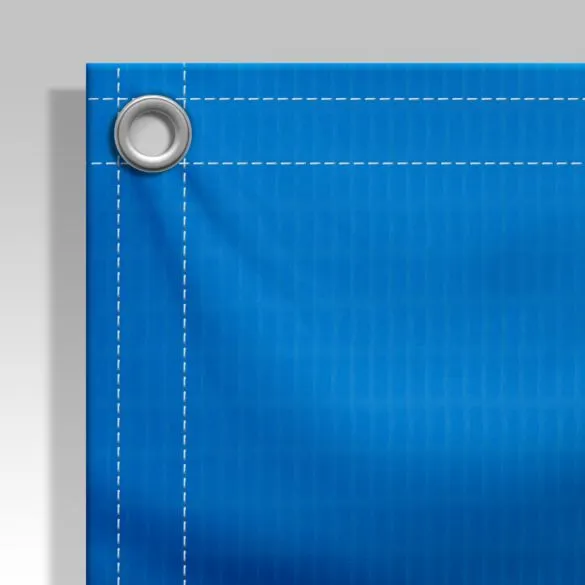
    Grommets are small rings, typically made from metal or plastic, that are inserted into a hole in banners. They serve several purposes:

    • Enhance Durability: Prevent tearing when banners are displayed in windy outdoor environments.
    • Facilitate Easy Installation: Allow for convenient hanging using cords, hooks, or zip ties.
    • Ensure Professional Aesthetics: Provide a clean, polished finish, preventing frayed edges.

    Types of Grommets Used on Scrim Vinyl Banners

    When ordering custom outdoor banners for promotions, understanding the grommet material is essential. The most commonly used grommet materials include:

    1. Brass Grommets

    Brass grommets are a popular choice due to their corrosion resistance. Since outdoor banners face exposure to rain and humidity, brass grommets maintain their integrity over time.

    2. Stainless Steel Grommets

    For banners used in extreme outdoor conditions, stainless steel grommets offer superior strength. These are ideal for long-term use and resist rust better than other metals.

    3. Aluminum Grommets

    Aluminum grommets are lightweight yet durable. While they work well for event promotion banners with short-term use, they may not withstand harsh weather as effectively as brass or stainless steel.

    Placement of Grommets on Scrim Vinyl Banners

    Proper placement of grommets ensures your banner remains secure. Here’s how they are typically positioned:

    • Corner Placement: Grommets are commonly placed at all four corners to provide reinforced hanging points.
    • Even Spacing on Edges: For larger outdoor banners, grommets are spaced every 2-3 feet along the edges to prevent sagging.
    • Reinforced Hemming: To add strength, banners often include reinforced hems where grommets are inserted, ensuring durability against wind and tension.

    Best Practices for Installing Outdoor Banners with Grommets

    To securely install your vinyl banners for outdoor advertising, follow these best practices:

    • Use Bungee Cords: These absorb wind impact and prevent excessive force on the grommets.
    • Secure with Zip Ties: For fence installations, zip ties provide a tight and stable hold.
    • Avoid Over-Tightening: Leaving some flexibility reduces stress on grommets and material.

    FAQs About Grommets on Scrim Vinyl Banners

    1. How Often Should Grommets Be Placed on a Banner?

    For large outdoor banners, grommets should be placed every 2-3 feet along the edges, with additional reinforcements in high-wind areas.

    2. Can I Use Plastic Grommets for Outdoor Banners?

    Plastic grommets are usually less durable for outdoor use. Metal grommets, especially brass or stainless steel, are recommended for longevity.

    3. Do Mesh Banners Require Different Grommets?

    Mesh banners for outdoor events use the same grommet types but may require reinforced spacing due to their perforated design.

    Why Choose Catdi Printing for Custom Outdoor Banners?

    At Catdi Printing, we provide high-quality scrim vinyl banners for outdoor promotions, customized to fit your marketing needs. Our banners come with reinforced grommets and durable materials, ensuring they withstand any outdoor condition. Whether you need large custom outdoor banners or event promotion banners with logos, we’re here to help.

    We’d love to print it for you! Contact us today to get started on your custom banner project.

  • What Are Common Yard Sign Sizes?

    What Are Common Yard Sign Sizes?

    Understanding Yard Sign Sizes

    Yard signs are a versatile tool for advertising, event promotion, and personal messages. Choosing the right size depends on your purpose, location, and visibility needs. While yard signs can be customized to fit specific requirements, there are a few common sizes that cater to most applications.

    Common Yard Sign Sizes and Uses

    Here are the most popular yard sign sizes and their typical applications:

    • 12 x 18 Inches:
      • Ideal for smaller messages or residential use.
      • Commonly used for directional signs, garage sales, or small events.
    • 18 x 24 Inches:
      • The most popular size for yard signs.
      • Perfect for political campaigns, real estate listings, and business promotions.
      • Provides a good balance between visibility and portability.
    • 24 x 36 Inches:
      • Best for larger, more detailed messages.
      • Often used for grand openings, larger real estate properties, or special event promotions.
    • Custom Sizes:

    Choosing the Right Size for Your Needs

    When selecting a yard sign size, consider the following factors:

    1. Viewing Distance:
      • For close viewing, smaller sizes like 12 x 18 inches work well.
      • For roadside or long-distance visibility, opt for larger sizes like 24 x 36 inches.
    2. Message Complexity:
      • Simple messages (e.g., “For Sale”) can be displayed on smaller signs.
      • Detailed designs or multiple lines of text need larger sizes to ensure readability.
    3. Location:
      • Compact spaces may require smaller signs.
      • Open areas with heavy traffic benefit from larger signs to maximize impact.

    Why Customize Your Yard Signs?

    Customizing your yard signs ensures your message is impactful and aligns with your brand. Options include:

    • Material Choices: Corrugated plastic, aluminum, or other durable materials.
    • Design Options: Add logos, brand colors, or unique graphics.
    • Enhanced Features: Include stakes, frames, or double-sided printing for greater visibility.

    Let Catdi Printing Handle Your Yard Signs

    At Catdi Printing, we specialize in creating custom yard signs in any size to suit your needs. Whether you need a batch of 18 x 24-inch signs for your next campaign or a large custom design for a special event, we’d love to print it for you! Contact us today to bring your yard sign ideas to life.

  • Metric Paper: A Comprehensive Guide

    Metric Paper: A Comprehensive Guide

    When it comes to paper sizes, the most commonly used sizes in the US are letter size (8.5 x 11 inches) and legal size (8.5 x 14 inches). However, in many other parts of the world, including Europe, Asia, and South America, metric paper sizes are more commonly used. In this guide, we’ll take a closer look at the metric paper and its various sizes, as well as its benefits and uses.

    What is Metric Paper?

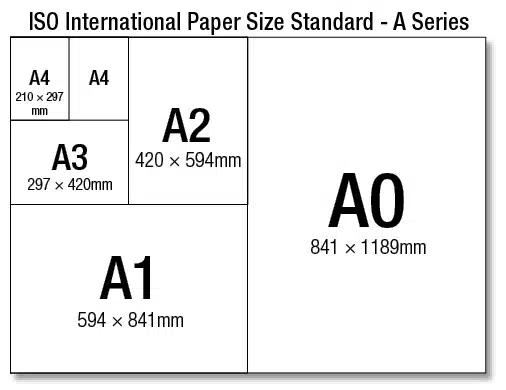
    Metric paper, also known as ISO paper or A-series paper, is a system of paper sizes that are based on the ISO 216 standard. This system was first introduced in the 1970s and has since become the most widely used system of paper sizes around the world. The A-series paper sizes range from A0 (the largest size) to A10 (the smallest size).

    The Benefits of Metric Paper

    One of the main benefits of using metric paper is its consistency and ease of use. Because the sizes are based on a standard system, it’s easy to predict how a document will look when it’s printed or copied onto a different size of paper. This makes it ideal for businesses that need to produce a lot of documents in different sizes.

    Another benefit of this type of paper is that it’s more efficient to use. Because the sizes are based on a ratio of 1:√2, each size is half the size of the previous size. This means that if you cut an A4 sheet of paper in half, you get two A5 sheets of paper. This makes it easy to scale documents up or down without wasting paper.

    Metric Paper Sizes

    The A-series paper sizes range from A0 (the largest size) to A10 (the smallest size). Here is a breakdown of the sizes and their dimensions:

    • A0: 841 x 1189 mm
    • A1: 594 x 841 mm
    • A2: 420 x 594 mm
    • A3: 297 x 420 mm
    • A4: 210 x 297 mm
    • A5: 148 x 210 mm
    • A6: 105 x 148 mm
    • A7: 74 x 105 mm
    • A8: 52 x 74 mm
    • A9: 37 x 52 mm
    • A10: 26 x 37 mm

    Uses for Metric Paper

    Metric paper is used for a variety of purposes, including printing documents, business cards, postcards, flyers, and brochures. It’s also commonly used for technical drawings and diagrams, as well as for printing maps and plans. Because of its efficiency and ease of use, this type of paper is an ideal choice for businesses that need to produce a lot of documents in different sizes.

    In addition, this type of paper is often used in education, particularly in countries that use the metric system. It’s also commonly used in commercial printing for printing books and magazines, as well as for art and graphic design projects.

    Choosing the Right Metric Paper

    When it comes to choosing the right metric paper for your project, there are a few factors to consider. These include the paper weight, finish, and color:

    1. Paper Weight

    Paper weight refers to the thickness of the paper, and is typically measured in grams per square meter (gsm). The higher the gsm, the thicker and more durable the paper will be. When choosing the right paper weight for your project, consider factors like how the paper will be used and how long it needs to last.

    1. Finish

    The finish of the paper can also impact the final result of your printed materials. There are a variety of finishes to choose from, including matte, gloss, and satin. Matte paper has a dull, non-reflective finish, while gloss paper has a shiny, reflective finish. Satin paper has a slight shine, but is not as reflective as gloss. Consider the look and feel you want for your project when choosing a paper finish.

    1. Color

    Finally, consider the color of the paper. While most metric paper is white or off-white, there are also colored papers available. Consider the tone and mood of your project when choosing a paper color.

    Conclusion

    Metric paper is a widely used system of paper sizes that is based on the ISO 216 standard. It offers many benefits, including consistency, efficiency, and ease of use. Th type of paper is used for a variety of purposes, including printing documents, technical drawings, and art and graphic design projects. When choosing the right metric paper for your project, consider factors like paper weight, finish, and color. By understanding the different types of metric paper and their uses, you can choose the right paper for your next project and ensure a professional and polished final result.